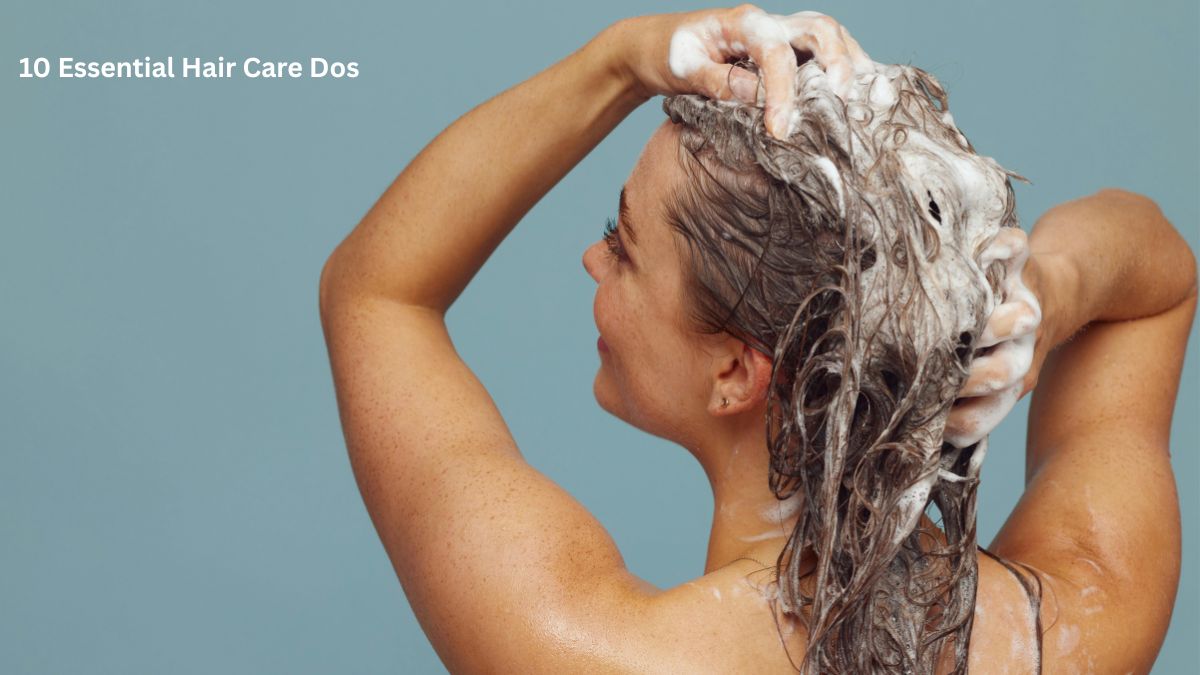
Hair fall is now also one of women's biggest concerns and a common one for men and people of all ages, no matter how old. From premature thinning of hair to excessive hair loss, people find it difficult to have healthy and strong hair. Many cause hair fall, but stress and air pollution are the most commonly cited factors, according to studies. Hormonal disorders, malnourishment, and bad lifestyle habits all contribute to the weakening of hair roots.
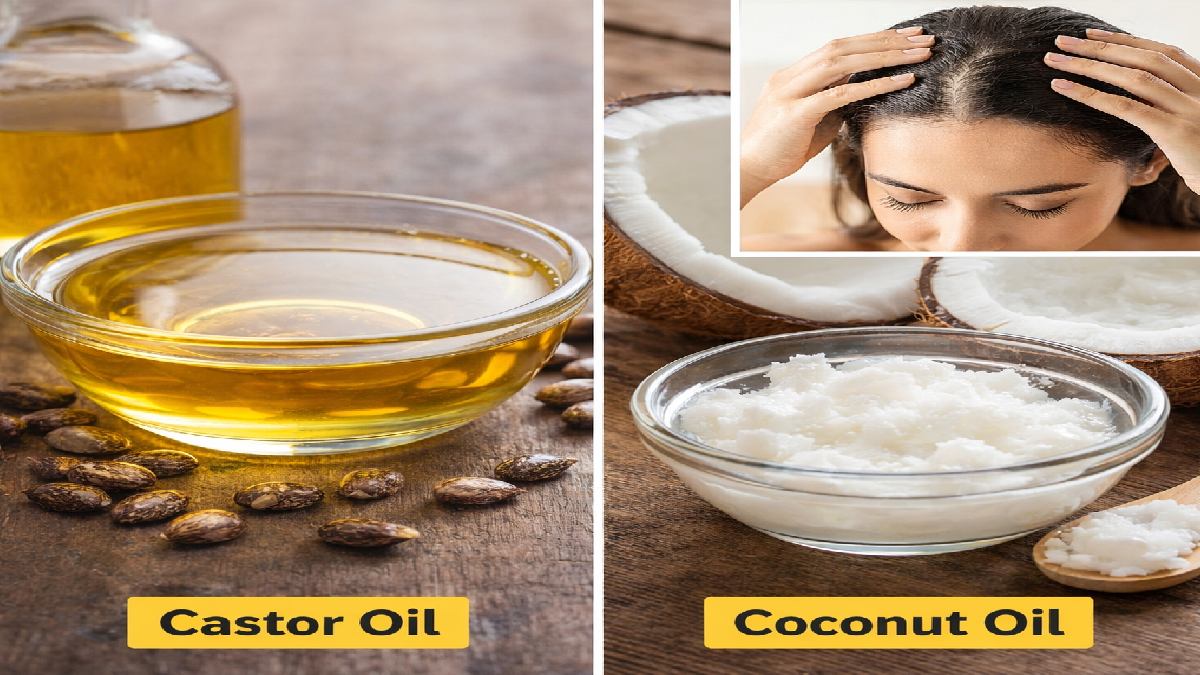
Castor oil, coconut oil are still two of the popular natural solutions to enhance hair health. Both oils are very richly nourishing and have been employed in traditional beauty formulas for hundreds of years. But the ingredients, characteristics, and effects of those may be extremely different from one another in the promotion of hair growth.
As found in Dr Sunil Kumar Prabhu, Counsellor Dermatologist and Aesthetician at Aster RV Hospital in Bengaluru, some people commonly use castor oil and coconut oil as natural hair care but may not have same effect on hair growth, especially during summer time.
Benefits of Castor Oil for Hair
Castor oil has high-density ricinoleic acid, which increases blood flow to the scalp. Better blood flow ensures that key nutrients reach the hair follicles in a more effective way. This mechanism stimulates the hair follicles to stimulate the development of new hair strands. The thick, deeply moisturizing texture of castor oil adds strong hydration to the scalp.
This also works to reinforce the hair's roots and minimises hair breakage, he explains. For sufferers of drastic hair thinning or dryness the oil can give you deep nourishment that helps lead to healthier hair. But the oil’s dense, sticky consistency can seem heavy on the scalp, particularly in hot summer months. When worn too much, it can bring off dust and sweat so the scalp may feel greasy or uncomfortable.
A reason coconut oil is so popular for hair
Coconut oil has a very lightweight texture, which is best suited for warm climates, so it is one of the best natural hair care products known today. It passes through the hair shaft easily and prevents protein loss, one of the leading causes of damage and breakage to hair. Coconut oil also produces mild anti-microbial activity, which aids against scalp-related illnesses such as dandruff, which disrupts hair growth. Unlike castor oil, coconut oil absorbs quickly into the scalp and hair, leaving less oily residue while giving hair a smooth and shiny appearance.
Which Oil Is More Effective in Summer?
Coconut oil, in the summer, is always better to go for as it is lighter and keeps the scalp cool during hot weather. Its absorption speed and non-greasy texture helps to ensure that it is suitable for daily or repeated use. But castor oil isn’t something to be overlooked. Experts advise using it two or three times a week, as long as it is mixed with coconut oil.
A more common way (though not universal) of doing this is to mix one part castor oil with two or three parts coconut oil and rub the mixture gently into the scalp for about five to 10 minutes. This two-in-one mixture not only provides the hair growth property of castor oil but also provides it with the lightweight nutrition of coconut oil.
Selecting the Right Oil for Your Hair Type
Both oils have their advantages, but which one works best will depend on your hair styles and different needs. Dry, rough hair: Castor oil is known to be more deep nourishing and to strengthen roots. Thin or oily hair: Coconut oil is good because it keeps your hair from breakage and is not greasy.
Many people get the best results by mixing the two, since the combination encourages hair growth, improves scalp health and helps reduce hair loss when they make use of the combination regularly with scalp massages.
At the end of the day, the efficacy of hair oil comes down to who you’re using it with, experts say. What works for one of them may not work as well for another. It’s always best to have an oil that works right for your scalp and hair type to keep hair healthy.