Sardines, one of India’s most popular and affordable fish species, could become harder to find next year with falling catches and changing marine conditions that raise concerns among fishermen, seafood traders and marine scientists - and in the coastal states, especially coastal ones - for the fish is a staple of the diet and a source of livelihood.
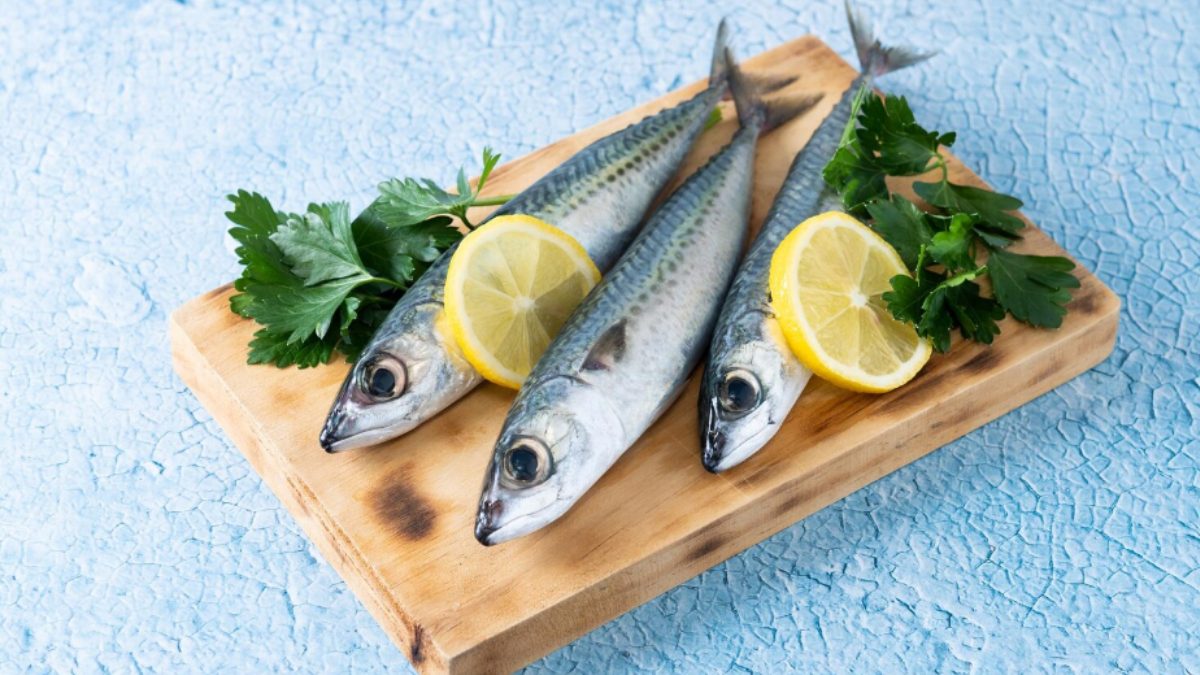
Indian oil sardines are especially popular along the west coast of the country, including Kerala, Karnataka, Goa, and parts of Maharashtra. Omega-3 fatty acids, protein, calcium and essential vitamins have long been valued as a nutritious food and an economical choice for millions of households.
But recent trends indicate that sardine populations are being under increasing pressure from changing environmental conditions, sea temperatures and overfishing and changing ocean ecosystems.
Climate Change and Rising Sea Temperatures
Marine scientists point to climate change as one of the major reasons behind decreasing sardine catches.
Sardines thrive in a relatively narrow range of sea temperatures. Rising ocean temperatures can change their breeding cycles, migration patterns and food availability. If water temperatures are changed beyond the range of their optimum range, sardines migrate to other places or experience lower survival rates.
The monsoon patterns, rainfall and ocean currents also affect the growth of plankton which is the main food source for sardines. Low plankton availability directly affects fish populations and reproduction.
Declining Fish Catches
Many fishermen along India's western coastline have reported smaller sardine catches in recent fishing seasons.
Lower landings not only affect fish availability in local markets but also reduce incomes for thousands of fishing families who depend on sardines as a major commercial species.
For marine researchers, fish populations are typically seasonal and fluctuate from year to year, but a season with low catches can indicate broader environmental problems that require close monitoring.
Pressure on Marine Resources
The growing demand for seafood has raised fishing pressure in several coastal areas.
Although fisheries authorities regulate fishing through seasonal bans and conservation measures, experts say sustainable fishing practices keep sardine stocks in check and it’s still crucial for fishermen to respect sustainable fishing practices.
Using appropriate fishing gear, avoiding juvenile fish catches, and respecting breeding seasons can help maintain healthy fish populations over the long term.
Impact on Consumers
If sardine availability were to decline further, consumers would experience:
- Higher retail fish prices
- Lower availability in local fish markets
- More demand for other fish species
- Greater pressure on other commercially important fish species
If catches remain low, restaurants, seafood vendors and fish processing industries may also struggle to maintain supply.
Economic Effects on Fishing Communities
The effects are larger than consumers.
Thousands of fishermen, fish vendors, transport workers, and seafood exporters depend directly or indirectly on sardine fisheries.
Lower catches may lead to lower household incomes and a reduction of employment opportunities as well as increased uncertainty in coastal communities already facing weather-related risks.
Governments and fisheries departments continue to monitor fish stocks and support sustainable management practices to balance conservation with livelihoods.
Can Sardine Stocks Recover?
Marine experts believe recovery is possible if environmental conditions improve and sustainable fisheries management is maintained.
Healthy breeding seasons, favorable ocean temperatures, effective fishing regulations, and habitat conservation can all help to rebuild sardine populations.
Scientific monitoring of fish stocks helps authorities determine when additional conservation measures may be necessary in future fishing seasons.
The Need for Sustainable Fisheries
India has been working to promote marine conservation through seasonal fishing bans, stock assessments and awareness campaigns promoting responsible fishing.
Experts say that long-term sustainability will be achieved if fishermen, policymakers, researchers and consumers work together to sustain sustainable fishing practices.
Consumers can also support sustainable seafood choices by purchasing fish from legal and regulated sources and respecting seasonal availability.
Although it is still too early to say how many sardines will be available in the future, decreasing catches are a real concern for the fishing industry. Much will depend on ocean conditions, breeding success and conservation efforts in the coming months.
As a fish lover, the new year may be a time of higher prices, perhaps less availability or lower sales if the fish prices are to go up or down in the future. But continued scientific monitoring and responsible fisheries management give hope that over time, sardine stocks can be restored.
The situation is a reminder of how deeply connected healthy oceans, sustainable fishing practices, and food security are. Protecting marine ecosystems now will ensure that future generations can continue to enjoy one of India’s most cherished and nutritious seafood staples.