The three-day BRICS Transport Summit concluded in Nagpur, Maharashtra, in which member countries adopted a joint resolution for global cooperation and for the transformation of the global transport sector.
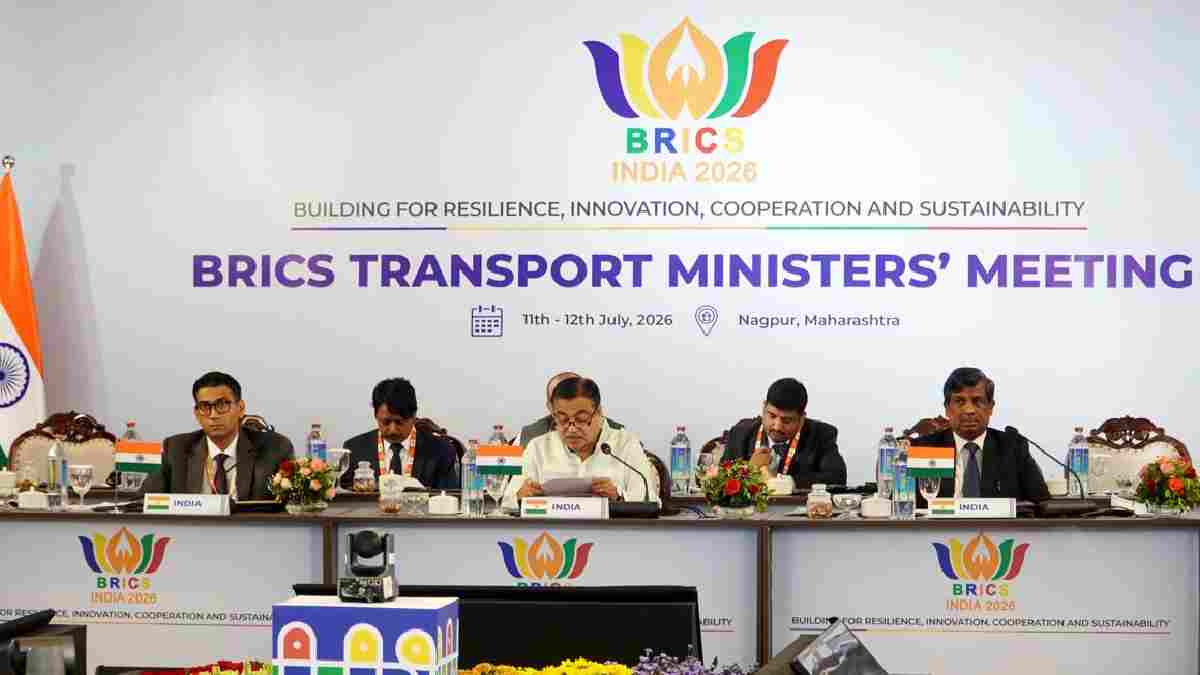
The resolution focuses on promoting collaboration between BRICS countries, the adoption of advanced transport technology, and a more sustainable, efficient, and resilient transportation ecosystem.
The meeting was held in India under the presidency of BRICS as the member countries’ representative and brought together senior officials from the member countries to talk about the future of transport infrastructure and mobility.
Focus on Innovation and Sustainable Mobility
The joint resolution focuses on closer cooperation among BRICS nations in key areas of the transport sector, like:
- Advanced transport technologies.
- Development of sustainable and environmentally friendly mobility solutions.
- Improved road safety measures.
- Digital transformation of transport systems.
- Strengthening logistics and connectivity.
- Sharing best practices and technical expertise among member countries.
The initiative aims to create a modern transport network that supports economic growth while reducing environmental impact.
Nitin Gadkari Talks about Future Vision
Nitin Gadkari, Union Minister for Road Transport and Highways, said the decisions taken at the summit would be very useful for the future of global transportation.
The minister said that cooperation among BRICS countries will play an important role in bringing innovative technologies and developing infrastructure, which will make transport systems safer, smarter and more sustainable.
He said that a joint resolution would be a template for future cooperation and the bridge between member countries in transport.
Strengthening Cooperation among Emerging Economies
The BRICS group of major emerging economies has also been looking to expand cooperation beyond trade and finance to infrastructure, technology, energy, and transport.
The summit participants discussed how better connectivity could be made to facilitate freight movement, promote green mobility, and support the transition toward cleaner transportation systems.
The resolution also encourages knowledge sharing and cooperation among the countries to make common transportation problems much easier for all member countries to tackle.
India Reinforces Its Leadership Role
The summit in Nagpur, which India hosted under the BRICS presidency, provided an opportunity to unveil India's increasing investments in highways, logistics, electric mobility, and digital transport infrastructure.
The discussions reflected India’s larger vision to develop world-class transport systems in addition to strengthening partnerships with BRICS.
Experts believe that the decisions made at the summit may lead to more collaboration on infrastructure projects, sustainable transport policy, and technology-driven mobility solutions in the future.
Looking Ahead
The adoption of the joint resolution is another important step in BRICS' efforts to deepen cooperation across strategic sectors. As transportation is becoming more connected and green in the future and digital innovation is being brought to the forefront, the commitments made at the Nagpur summit will be used to build a more connected, efficient, and sustainable global transport network.