
Saudi Arabia has proposed a vast program to cover the planned Umrah pilgrims during Ramadan 2026. Security, transportation, health and digital are part of a move aimed at ensuring that worship at these holy sites will happen no matter where you are -- at Masjid al-Haram in Mecca notably. This plan has already been created with the guidance of the General Authority for the Care of the Two Holy Mosques together with a number of public sector officials, including security, health, and transport authorities.
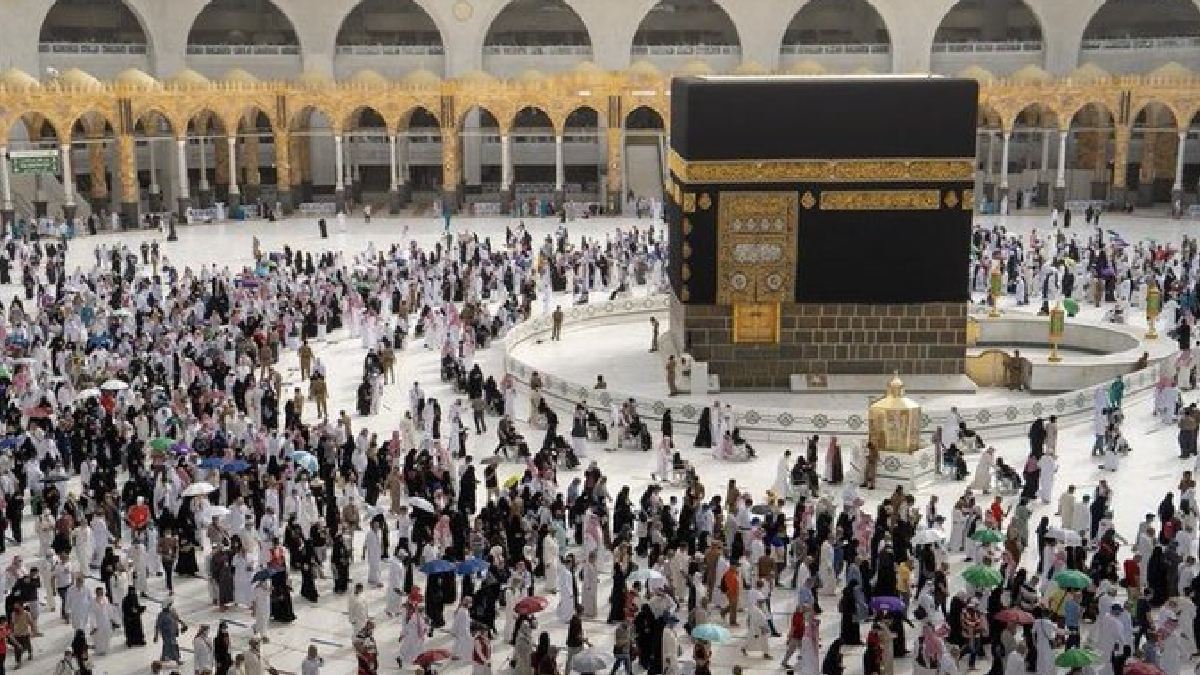
Complete Crowd Control and Management Operations
Saudi authorities prioritize crowd safety following the anticipated rise in international and domestic pilgrims during Ramadan nights, particularly during prayers of Taraweeh and at the height of worship time. The operational plan includes:
Divide pilgrimage movement into operational pockets within the Grand Mosque complex
Smart surveillance and on-demand crowd density measurement systems implementation. Greater use of police and civil defense personnel to deal with emergencies. Managed entrance points to control entry and exit inlets. Command and control centers will constantly monitor the movement of pilgrims and dynamically shift security deployments dynamically to alleviate congestion and avoid traffic jams and maintain security standards.
Management of Transport and Infrastructure
Transport authorities have improved logistics coordination on major entry routes into Mecca. Some key transport measures that are being applied include:
- Ramped up shuttle bus service from Jeddah, Mecca and Medina.
- Increased immigration and security screening at King Abdulaziz International Airport.
- Traffic diverted with new plans to decrease foot traffic congested areas of pilgrimage zones.
- Transport corridors that are specifically reserved for pilgrims who are staying and visiting hotels and accommodation areas in proximity.
- The Ministry of Transport is also encouraging pilgrims to go public with one of its official transport carriers and use digital booking tools.
Health and Medical Safety Programs
Health and safety has been very high on the agenda with the intense crowding in pilgrimage areas. The Ministry of Health (Saudi Arabia) already announced emergency medical readiness programs which include:

Expanded temporary medical clinics around the Grand Mosque
More ambulances and emergency response vehicles in pilgrimage areas. Public health campaigns on hydration, hygiene and fatigue prevention. Saudi Arabia, for its part, continues to regulate international pilgrim health insurance mandates, allowing foreign travelers to receive medical care at their destination.
Smart Pilgrim Services and Technology
Saudi Arabia is heavily investing in smart technology developments to assist pilgrim navigation and communication. Services include:
- Navigation maps and multi-lingual guides screens are available inside the mosque complex.
- Centralized tracking systems tracking pilgrim flow of movements.
- Enhanced mobile network connectivity with enhanced communication and emergency alerts.
- The initiatives complement the wider digital transformation of their pilgrimage management vision in the Kingdom.
Religious Daylit Service Operations on Ramadan Nights.
Special facilities are in place to organize worship activities around Ramadan, especially spiritual religious services during the highest possible concentration period. Authorities have:
- Enhanced cleaning and cleanup work at prayer floors and courtyards on prayer floors and courtyards.
- Coordinated schedules for lighting and ventilation and engineering maintenance.
- Prepared service officers to serve older and disabled pilgrims.
- Night prayer services, particularly during the final ten days of Ramadan, are anticipated to have the largest visitor concentration.
Airport and International Arrival Handling
Saudi aviation officials have been prepared for heavy international arrivals from Muslim-majority nations. Enhancements include:
- Accelerated visa applications for Umrah pilgrims.
- Dedicated immigration counters for religious visitors.
- Enhanced baggage handling and passenger assistance services.
Strategic Goals of the Project
The operational strategy for Ramadan 2026 is directed at:
- All pilgrims safety and security protection
- Getting the service efficiency up and up and worship the comfort.
- Managing massive volumes of people in order not to disturb the peace.
- Providing support for religious tourism, while ensuring high standards.
- Saudi officials have emphasized the need for the pilgrimage still to be spiritually meaningful and modern safety.
Given that global Muslim travel is set to increase during 2026 Ramadan (and beyond), Saudi Arabia has been pushing to invest in infrastructure, digital services and emergency preparedness systems that will bring about millions of pilgrims in sight to the holy cities. “People on the roads are advised to follow these guidelines, use the proper authorities for their services during their visit and also make sure they are aware of safety announcements,” said the government.







Comments
Leave a Comment