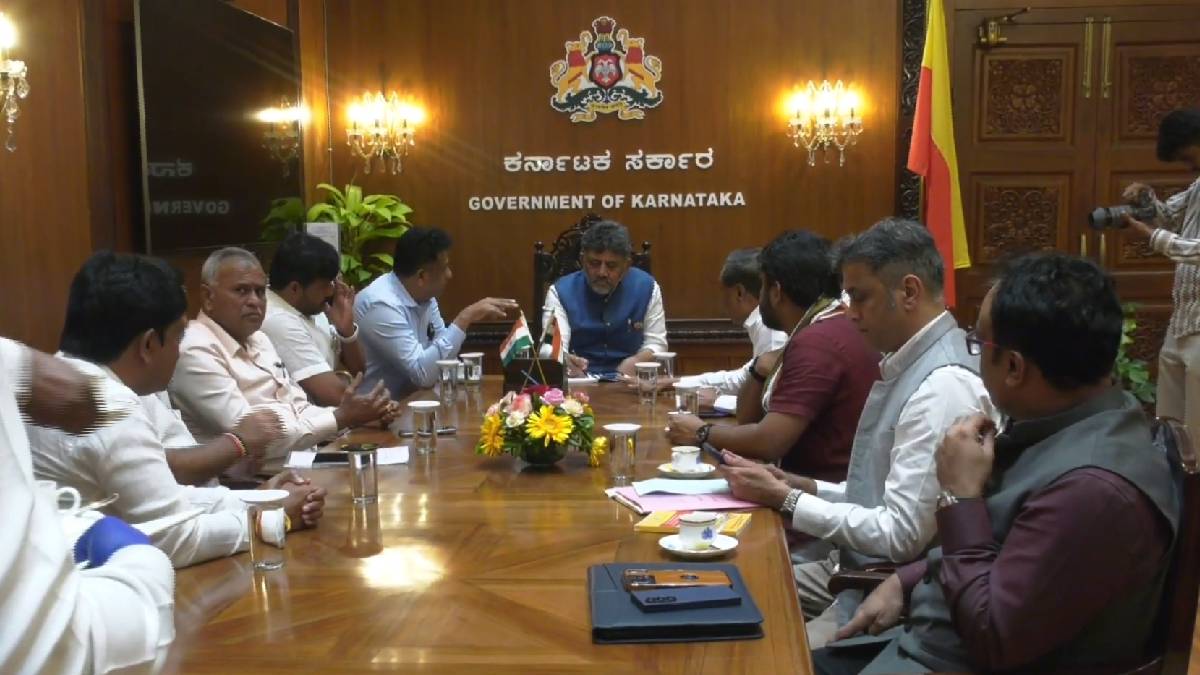
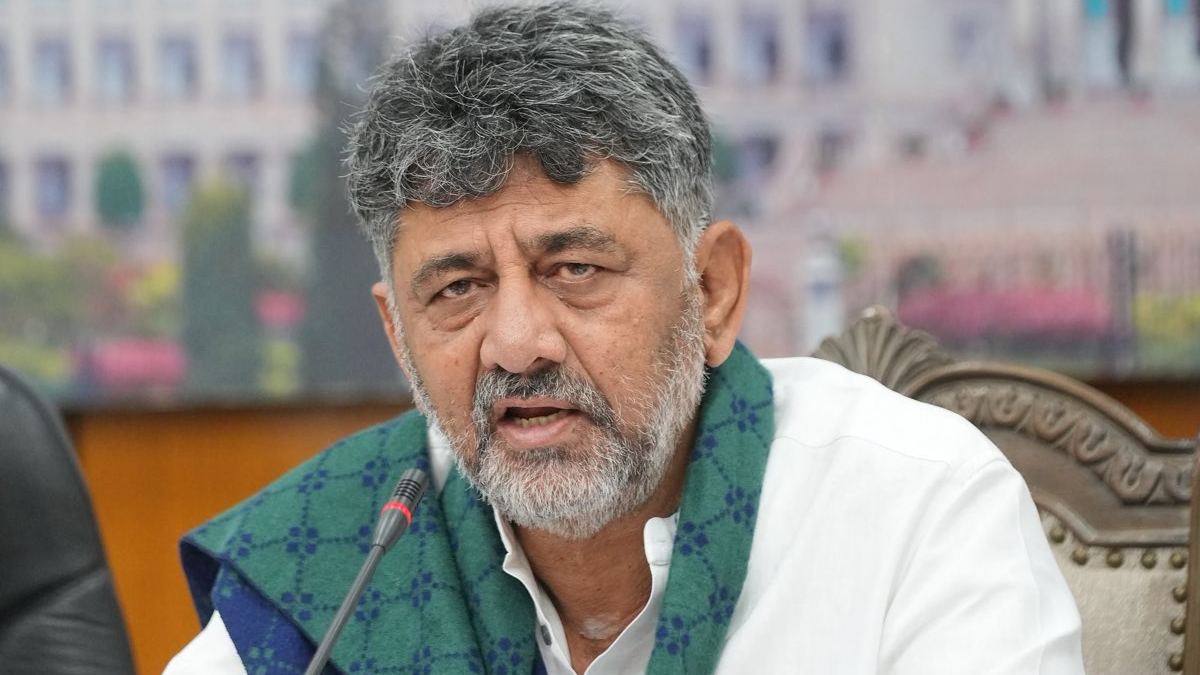
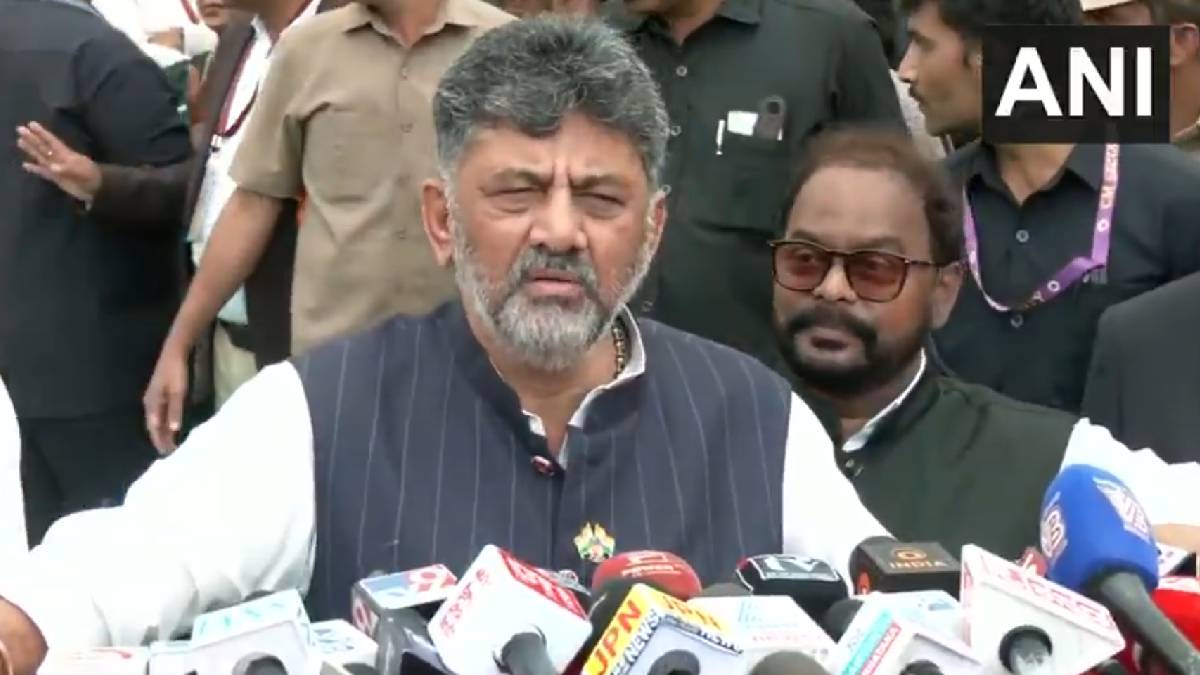
Bengaluru residents who rely on public roads to park their vehicles outside their homes could soon face an annual parking fee of up to Rs 25,000 under a proposed parking policy. The Karnataka government has now expressed concern over the proposed charges and Congress minister Ramalinga Reddy has appealed to Chief Minister DK Shivakumar to reconsider the proposed charges.
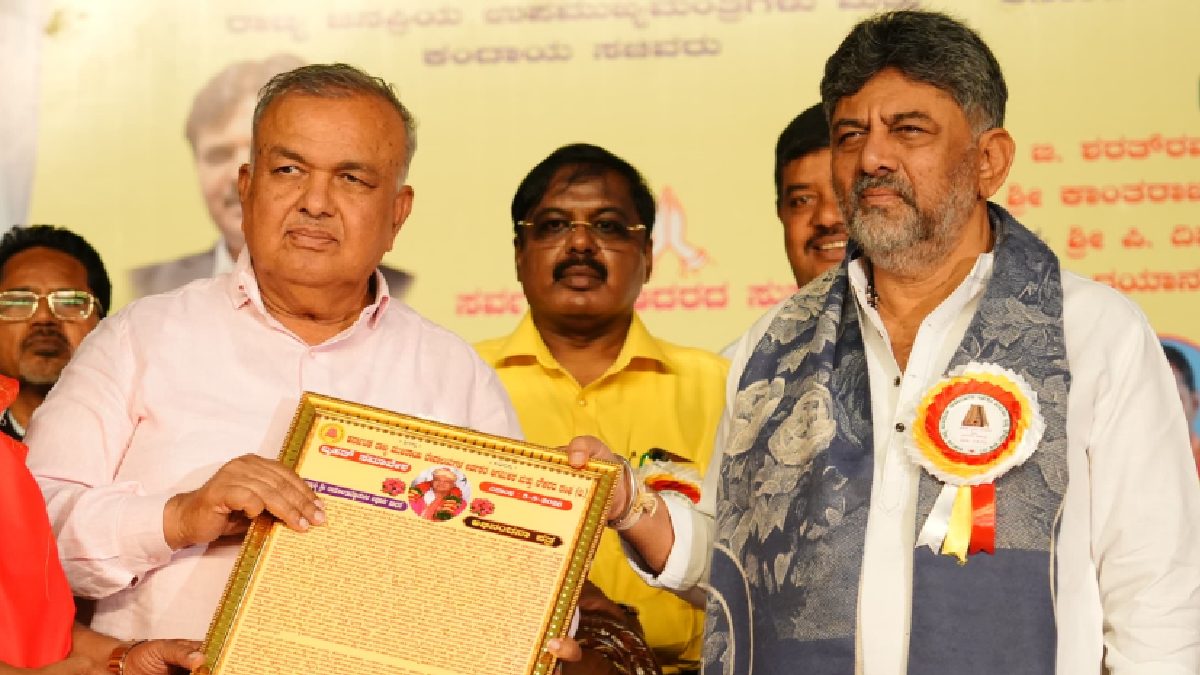
Reddy has recognized the need for more effective measures to deal with illegal and prolonged roadside parking in Bengaluru. But he argues the proposed annual fees would put a burden on the masses and the middle-class families who might not have sufficient parking facilities in their homes.
The proposed charges are contained in the draft GBA (Parking) Rules, 2026. Residents applying for permits to park vehicles on public roads adjacent to their homes will be charged an annual fee based on the type of vehicle. This would be Rs 15,000 for hatchbacks, Rs 20,000 for sedans and Rs 25,000 for sports utility vehicles.
Minister Raises Concerns Over Financial Burden.
In a letter to Chief Minister DK Shivakumar, Reddy described the problems faced by residents who live in older buildings and residential neighbourhoods where parking is not available.
Reddy says that some residents living in independent houses or properties with sufficient space may be able to accommodate their vehicles in their properties. For many middle-class families living in apartments, older homes and densely populated parts of Bengaluru, the situation is different.
Many of these residents have few options for parking. In some neighbourhoods, buildings were constructed at a time when there was much less vehicle ownership and parking requirements were not as extensive as they are today.
Reddy has also warned that a large annual fee may create an additional financial obligation for such families. He mentioned already existing expenses, including housing and vehicle loans, children’s education, healthcare and everyday household costs.
I have formally submitted a letter to Hon’ble CM Sri @DKShivakumar regarding the proposed ₹15,000–₹25,000 annual fee for roadside vehicle parking in Bengaluru, requesting a comprehensive review in the public interest.
— Ramalinga Reddy (@RLR_BTM) August 24, 2026
While curbing illegal and long-term street parking is… pic.twitter.com/SyrZQOzbFn
Need to Regulate Roadside Parking.
The minister has not publicly opposed the government’s wider plan to control parking in Bengaluru but has supported efforts to curb illegal and long-term parking, which is bad for traffic and less road space.
Bengaluru has seen huge growth in vehicle ownership during the last few decades and this has made its roads and parking infrastructure even more crowded. Unregulated roadside parking can mean traffic is blocked, there is less capacity for roads and there is a lot of inconvenience to pedestrians and others on the road.
A structured parking policy would make the city’s limited road space much more efficient. But Reddy’s concerns are about how such regulations affect residents who can’t afford to park their vehicles on the road.
Exemptions May Be Considered
Reddy has suggested that the government consider exemptions or alternative provisions for residents who regularly use their vehicles but do not have parking facilities within their buildings.
In fact, this approach, he said, could help distinguish residents who deliberately occupy public road space despite having private parking and families who have no adequate parking option.
The policy will also need to be better delineated in terms of criteria for residential parking permits and how parking charges would be applied across different areas.
Calls For Wider Consultation
Reddy has been urging the government to consult Bengaluru MLAs, resident welfare associations, public representatives, organisations and relevant officials before finalising the parking rules.
The consultation process could offer authorities an opportunity to assess the practical effects of the proposed fees on different parts of the city. Bengaluru's residential areas are different in terms of road width, building age, availability of private parking and vehicle ownership.
Bengaluru’s parking debate is now a mirror image of the larger issue that is facing Bengaluru: how to balance the need for traffic management and better use of public roads with the daily parking needs of residents?
Considering the draft GBA (Parking) Rules, 2026, the concerns raised by Reddy are likely to add to the discussion over how the city's parking system should be regulated. The final decision on the proposed annual charges will determine how Bengaluru residents without sufficient private parking facilities are affected.