
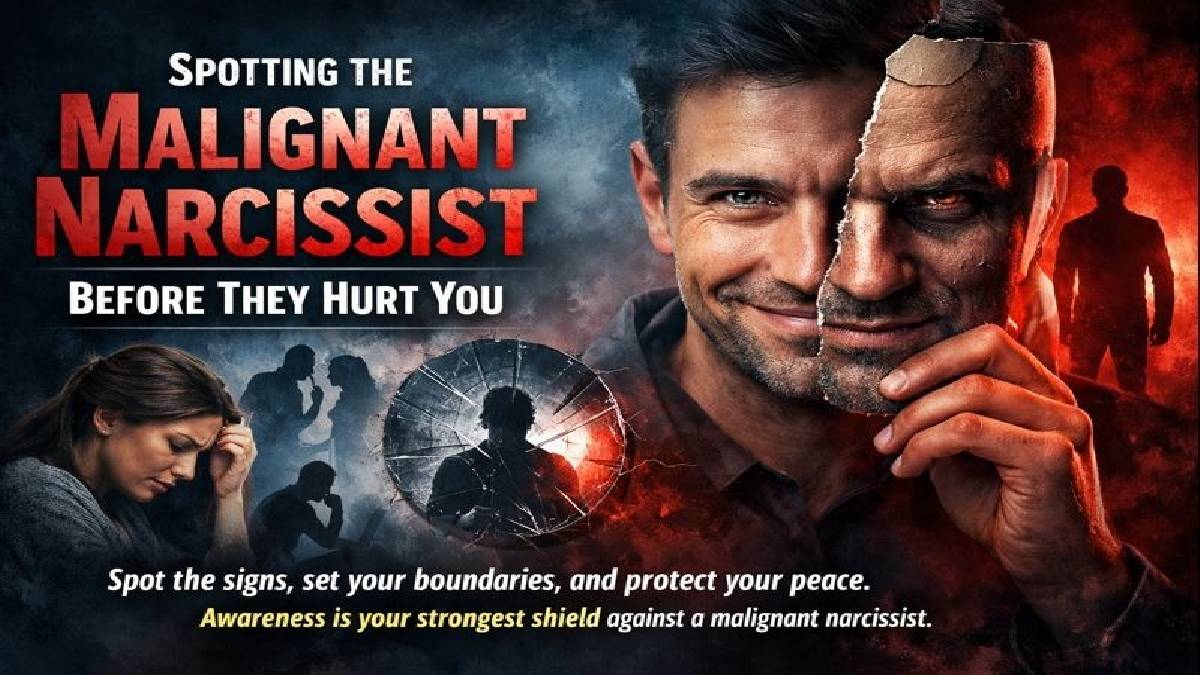
Malignant Narcissist: Dangerous, Manipulative. Malignant narcissism is one of the most dangerous personality types. With personality traits such as antisocial behavior, paranoia, or cruelty, it is this type of personality that can be harmful to individuals, families, organizations, as well as communities.
Grandiosity and Entitlement: Malignant narcissists think that every one of them is superior. They want to be held in high regard, and they are convinced that they should be treated more favorably than anyone else, sometimes without regard for the impact on those around them. Opposing criticism comes in as a personal attack, and is often charged with anger or revenge.
Lack of Empathy: One of the hallmarks of malignant narcissism is emotional frostiness. These individuals have no concern for other people’s feelings or well-being. It is only this failure to feel empathy which enables them to rationalize manipulation, exploitation, and even cruelty without guilt.

Manipulative Behaviour: Deception is a core tool. Malignant narcissists might lie, gaslight, or distort reality to exercise control. They look for power, protect their image or evade consequences through charm, intimidation or confusion.
Intense and Vindictive Characteristic: When it is confronted or revealed, malignant narcissists can become aggressively defensive. They might respond with anger, threats or deliberate revenge. Forgiveness is infrequent, and they tend to actively seek to punish those who are presumed to have violated them.
Pathological Traits: This type of personality will also show some form of antisocial behavior, paranoia, and sadism. These traits make them paranoid, hostile and -- at times -- cruel -- and in their need for comfort or satisfaction they seek it from other people.

Toxic Relationships: It is often with malignant narcissists that relationships are abusive, controlling and exploitative. Victims may suffer emotionally drained and anxious states, self-doubt and lack of confidence levels over time.
Severe and Long-term Effects: The harm from this is sometimes severe in terms of broken relationships with bad actors and mental trauma. However, meaningful change is uncommon with no intervention by a professional because they seldom recognize their behavior.
Protection Through Awareness: What to Do And What Not to Do
What to Do:
- Detect the signs early – It is knowledge that wields power. We learn from our exposure that being aware allows you to respond instead of reacting.
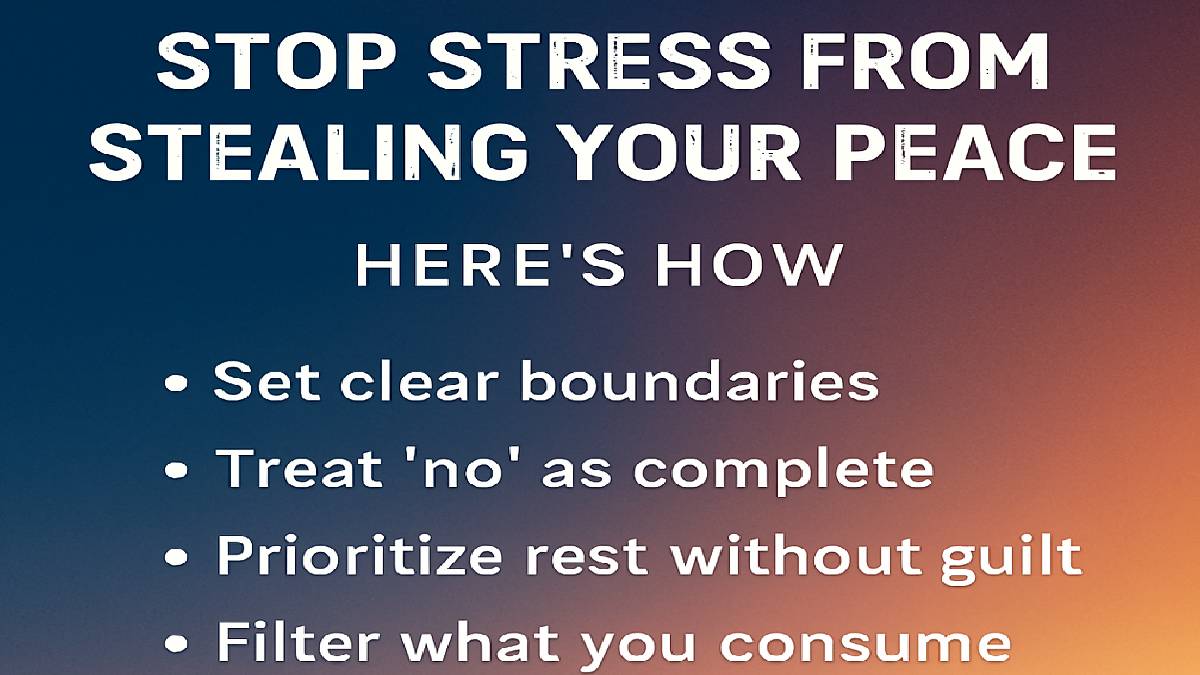
- Set firm boundaries - Be clear about what is acceptable and enforce limits consistently.
- Document interactions – Keep a record of harmful behavior, particularly in the workplace or legal contexts.
- Seek support – Turn to trusted friends, family members, or a therapist for advice and confirmation.
- Strive for self-care – Focus on coping with stressors, maintaining a healthy routine and practice mindfulness as part of mental and emotional health maintenance.
What Not to Do:
- Don’t argue or try to “change” them - Malignant narcissists rarely believe they are at fault.
- Don’t discount these red flags - Not to rationalize their behavior or wonder if they will just get better on their own.
- Don’t isolate yourself - A support system provides you with protection and perspective.
- Do not share vulnerable information - They can use personal information for manipulation or control.
This is one way to know your differences and be proactive and protect yourself from emotional damage and set limits. Knowing what to expect, being ready, and showing love are your best tools to combat a malignant narcissist.
Spot the signs, set your boundaries, and protect your peace. Awareness is your strongest shield against a malignant narcissist.










Comments
Leave a Comment