Others believe that washing raw chicken before cooking eliminates some germs, dirt or blood from the meat itself. But the authorities are now issuing a stern warning about that ubiquitous standard dishwashing, which they say will only make dangerous bacteria more likely to enter homes.
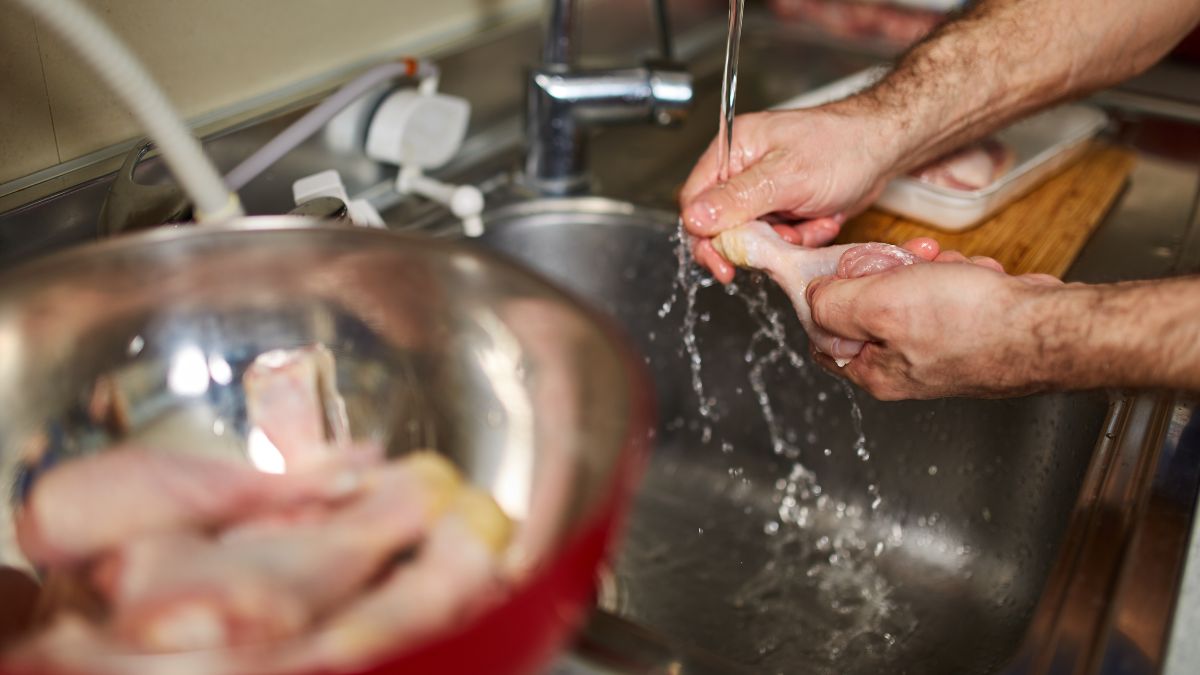
Rinsing raw chicken in running water can contaminate kitchen appliances, utensils, sinks and even nearby food objects with dangerous bacteria such as Salmonella, health experts say, via invisible streaks of water. This technique, dubbed cross-contamination, can also cause serious foodborne illnesses in households, most of the time without the family having to realise it.
Experts say raw poultry automatically contains bacteria that cannot be safely destroyed except when it is cooked at high temperatures. Washing the chicken doesn’t wipe away those microorganisms. Instead, the water can spread bacteria across a considerable area and poison kitchenware, cutting boards, cooking pots and hands within seconds.
Food experts have long said that Salmonella infection can lead to symptoms including fever, stomach cramps, vomiting, diarrhoea, nausea and dehydration. In severe cases, particularly among children, the elderly, pregnant, immunocompromised or at-risk people, an infection can become fatal and result in hospitalisation.
Health authorities throughout dozens of countries, including a lot of public food safety agencies, have repeatedly told consumers not to wash raw poultry before cooking it. They argue: cooking chicken to the proper internal temperature is the safest way to kill off bad bacteria, and it’s also the most effective means of getting rid of bad guys. Cultural habit or intergenerational misinformation explains many continuing to wash chicken, experts also emphasise.
Scientists believe that washing makes you clean, a theory that washing is safe for cleaning up or smells, or that washing is beneficial for health, but there is no scientific evidence to support this. Now, on the other hand, it greatly increases the likelihood of kitchen contamination.
Another general method of handling any raw chicken that experts recommend is to keep it away from vegetables or prepared food, cutting with dedicated boards, washing hands after touching the raw meat, and scrubbing the kitchen area shortly after cooking. They also don't recommend re-use of any plates or food items that contain uncooked chicken, otherwise said not to have been properly cleaned out with hot water and soap.
Food hygiene experts note that making sure to prevent cross-contamination is as important as cooking well. Even tiny amounts of Salmonella bacteria can cause infection if it is carried from raw chicken to salads, fruit and cooked foods.
Given that the cases of food poisoning still confront millions worldwide every year, health experts say that basic kitchen activities can help keep families healthy by preventing health problems that they could have prevented with a kitchen act. “We need to remind ourselves a bit more that cooking like ‘cleaning' can be contributors to hidden health threats if you don’t understand what you’re cooking about,” The cautionary tale states.