Iran and the United States might at least have been able to establish that the Strait of Hormuz, a strategic chokepoint in the Middle East, must be reopened, the naval blockade measures loosened in general and phased out gradually in the process, the reporting at home and abroad at least said.
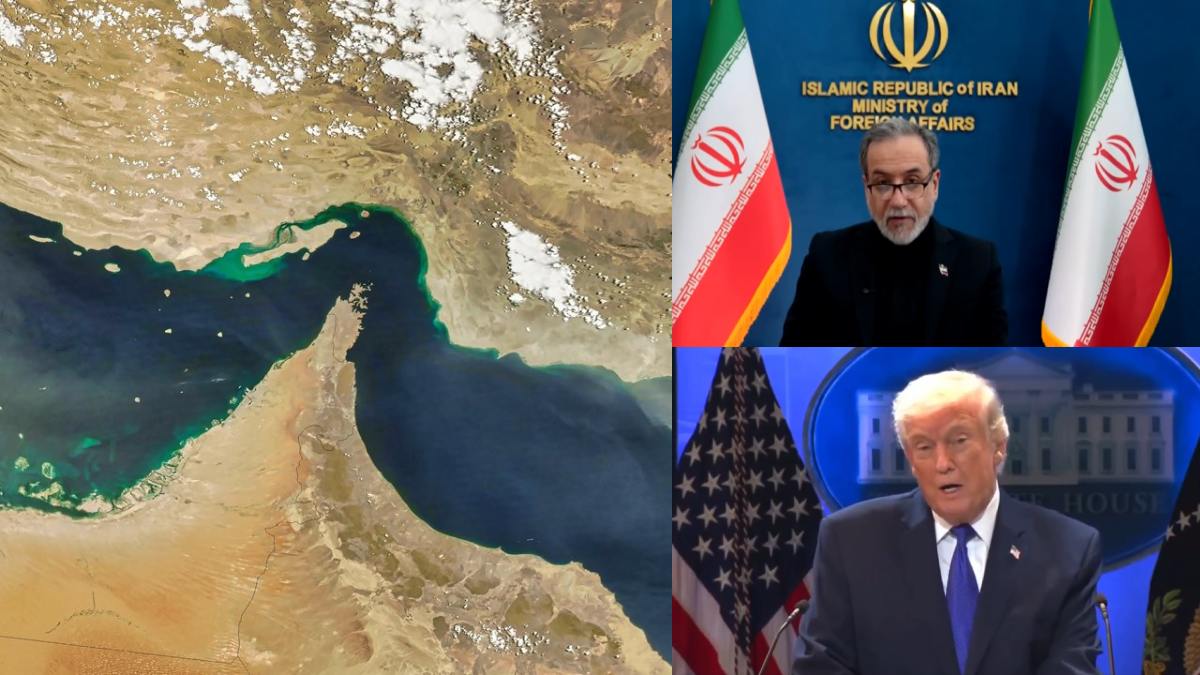
It may take steps that will signal a major diplomatic landmark, a result of escalation of tensions, military clashes and a disruption of one of the world’s most important oil shipping routes.
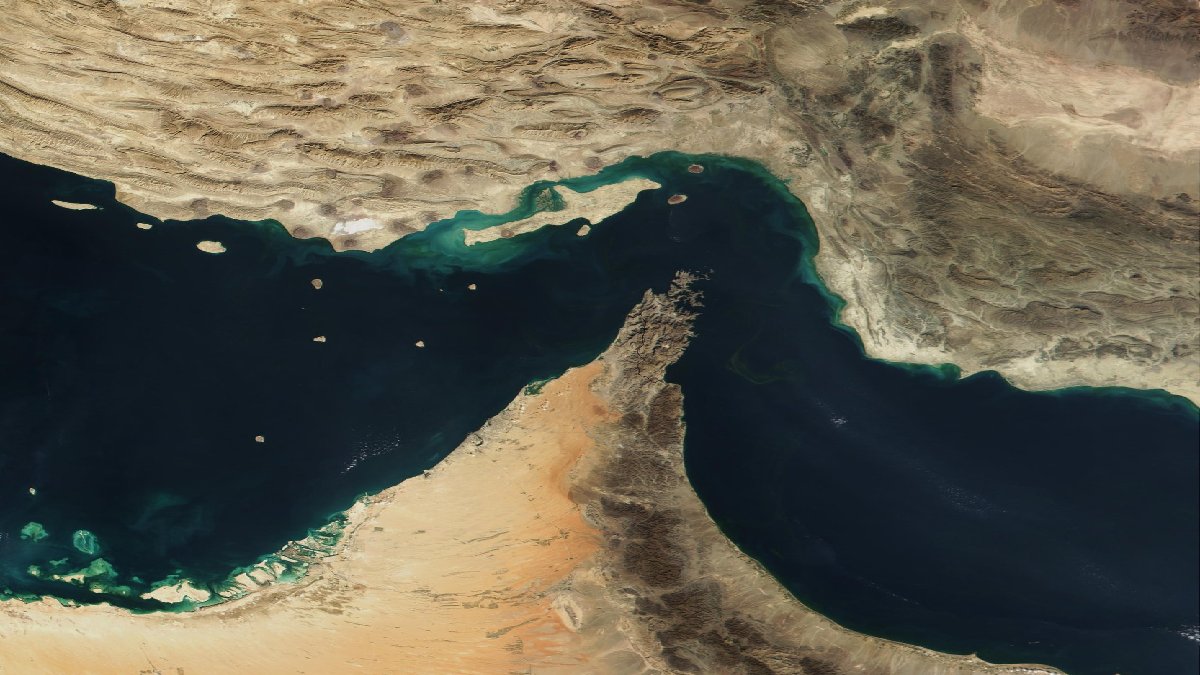
The Strait of Hormuz is a vital artery through the world’s economy
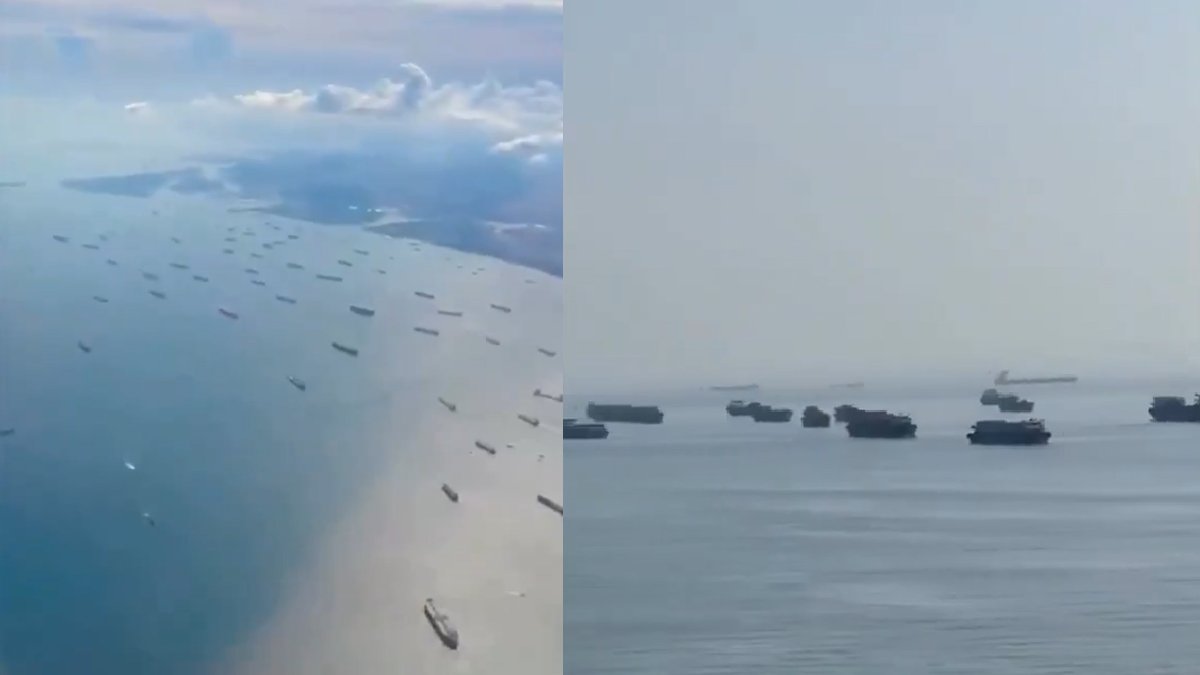
The Strait of Hormuz, one of the world’s most important chokepoints, allows thousands of tonnes of global oil and liquefied natural gas to pass through each day. The deterioration of relations between Washington and Tehran had stoked fears of longer-term disruption in the Gulf, produced sudden swings in global oil markets and elevated tension over the safety of global shipping. It might pass over the slow bounds established
Its plans are also to see the gradual loosening of naval control of commerce, to re-open commercial transport through the strait, and to gradually relax commercial controls, as well as those of international relations. It is also inextricably linked to broader discussions that it is expected to reduce potential military confrontations and facilitate coordination between the two. It was also called indirect negotiations via a mediator for a safe passage into the sea and to the stabilisation of the security situation in the area. Neither has formally formalised them, but international people expect them to be serious steps toward de-escalation.
Markets react positively
Worsening tensions spurred positive responses from global financial markets in response to reports of frayed ties. Oil prices declined, some reports said, as supply disruptions via the Gulf have eased. It also fueled hopes among investors that a smoother ship would bring some order to sources of energy travelling around the world.
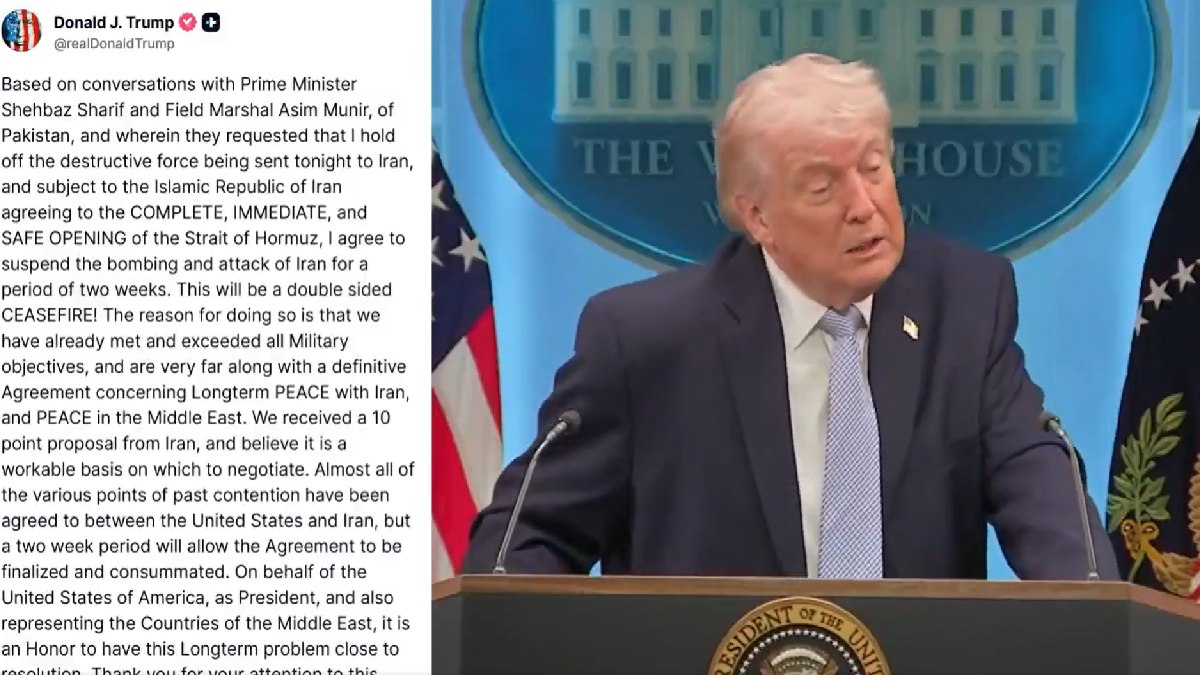
And the shipping and logistics industry is close as well, as a trade that opens near the Strait of Hormuz and unrestricted maritime traffic to it would significantly reduce shipping risks and insurance premiums.
Background of the Crisis
Tensions boiled over earlier this year in a series of military confrontations fought over the past year, naval exercises and negotiations to hammer out a remedy to the crisis surrounding regional security and sanctions. The US had fought at sea in hopes of pursuing freedom of navigation, and Iran had repeatedly been linking the reopening of the strait to the end of naval controls and a broader politics of understanding. The latest news was boats being trapped, military standoffs and temporary restrictions on trade in the area.
Uncertainty Still Exists
But behind the progress, critics comment: The situation is tenuous. Efforts to reopen or relax traffic through the Strait of Hormuz in the past have been mired by rising tensions and inconsistencies on both sides of the argument. In some part, long-term stability will depend on wider diplomatic deals. These include trade sanctions with neighbouring countries, security agreements in those areas and nuclear talks.
World Watching Closely
The newly recorded understanding is closely watched as a press release to reassure governments, energy producers and many international markets that the new understanding has been confirmed and that the information is made ready for execution.
However, any continued unconflicted reopening of the Strait of Hormuz would have serious geopolitical implications for world trade as well as for oil prices and peace in the Middle East and produce vast economic rewards.