Food is often described as culture on a plate, but few dishes embody this truth as vividly as sushi. What began centuries ago as a humble preservation technique in Japan has evolved into a global culinary phenomenon, celebrated in Michelin‑starred restaurants, trendy fusion bars, and even supermarket aisles. Sushi is not just raw fish on rice - it is a philosophy of balance, precision, and respect for ingredients. To understand sushi is to understand Japan’s cultural values of discipline, artistry, and harmony.
Origins: From Preservation to Perfection
Sushi’s story begins not in glamorous Tokyo sushi bars but in the practical kitchens of ancient Japan. The earliest form, narezushi, involved fermenting fish with rice to preserve it. The rice was discarded, and the fish eaten months later. This method was born out of necessity, but it laid the foundation for what would become one of the world’s most refined cuisines.
By the 19th century, in Edo (modern Tokyo), sushi underwent a transformation. Street vendors began serving edomae sushi - fresh fish placed atop vinegared rice. This innovation turned sushi into a fast, flavorful snack for busy city dwellers. What was once a preservation technique became a culinary art form, emphasizing freshness, seasonality, and presentation.
The Art of Simplicity
At its core, sushi is about minimalism and harmony. Each piece balances three elements:
- Rice (shari): Seasoned with vinegar, sugar, and salt, it is the canvas of sushi.
- Fish or topping (neta): From tuna and salmon to eel and uni, freshness is paramount.
- Wasabi and soy sauce: Enhancing flavor without overpowering.
Chefs train for years to perfect the rice alone. The temperature, texture, and seasoning must be flawless, because in sushi, simplicity leaves no room for error.

Styles That Tell Stories
Sushi is not a single dish but a family of styles, each telling its own story:
- Nigiri: Hand‑pressed rice topped with fish - the purest expression of sushi.
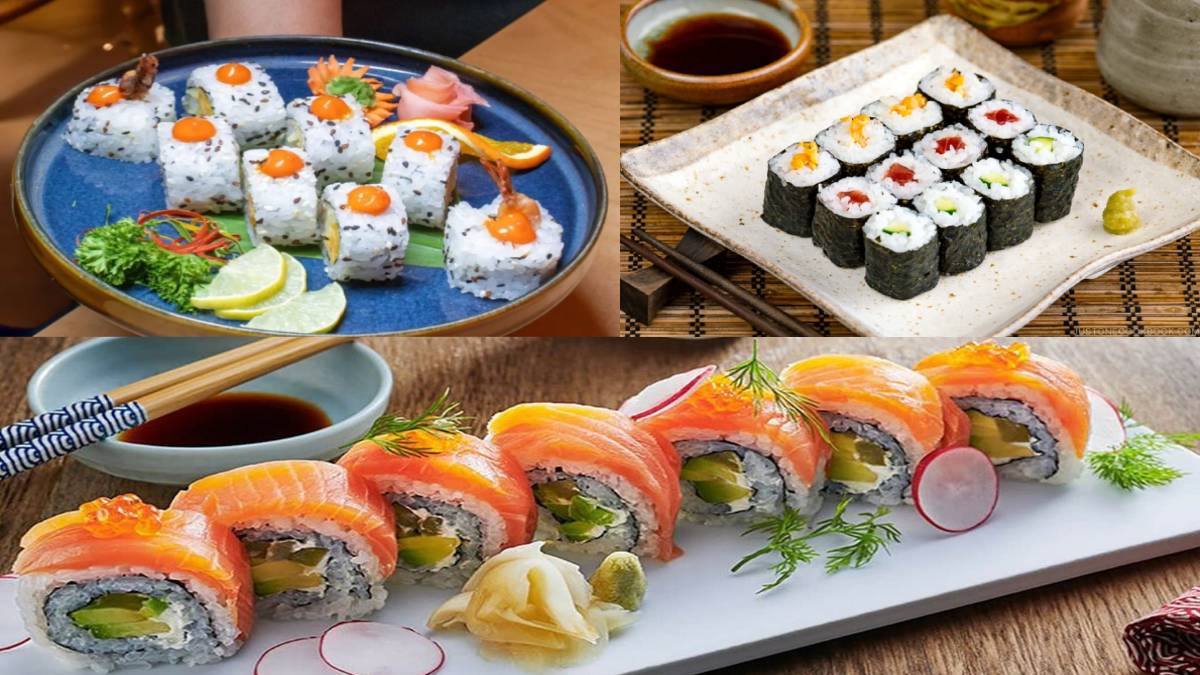
- Maki: Rolled sushi wrapped in seaweed, often filled with vegetables or fish.
- Temaki: Cone‑shaped hand rolls, casual and fun, often eaten with hands.
- Sashimi: Thinly sliced raw fish, served without rice, highlighting texture and flavor.
- Fusion Creations: California rolls, spicy tuna rolls, and even sushi burritos show how sushi adapts across cultures.
Each style reflects not only culinary technique but also cultural context. Nigiri embodies Japanese precision, while fusion rolls reflect global creativity.
Sushi as Culture
In Japan, sushi is more than food - it is a ritual of respect. Dining at a traditional sushi bar involves etiquette:
- Eat nigiri in one bite.
- Dip the fish, not the rice, into soy sauce.
- Appreciate the chef’s craftsmanship.
Sushi chefs, or itamae, are revered for their skill. Training can take decades, with apprentices spending years just learning to prepare rice or slice fish. The chef’s role is not only to serve food but to curate an experience, guiding diners through seasonal offerings in an omakase (chef’s choice) meal.
Global Journey
From Tokyo’s Tsukiji Market to New York’s high‑end omakase bars, sushi has become a symbol of cosmopolitan dining. Its rise reflects globalization, but also the universal appeal of fresh, clean flavors.
In the United States, sushi gained popularity in the 1960s and 70s, particularly with the invention of the California roll, which replaced raw fish with avocado and crab to appeal to Western palates. Since then, sushi has exploded worldwide, adapting to local tastes while retaining its Japanese soul.
Today, sushi is enjoyed everywhere - from supermarket packs to Michelin‑starred experiences - proving its versatility and timeless charm.
Sushi and Innovation
Modern sushi is not afraid to experiment. Chefs around the world are pushing boundaries with:
- Plant‑based sushi: Using vegetables, tofu, or even lab‑grown fish to cater to sustainability.
- Fusion rolls: Combining Japanese techniques with Mexican, Peruvian, or American flavors.
- Artistic presentations: Sushi shaped like flowers, animals, or abstract art.
Technology is also entering the sushi world. Conveyor belt sushi restaurants (kaitenzushi) use robotics and AI to deliver efficiency, while apps allow diners to order customized rolls. Yet, even in this modern context, the essence of sushi - respect for ingredients - remains unchanged.
Why Sushi Resonates Globally
Sushi’s global success lies in its universal appeal:
- Freshness: Clean flavors that transcend cultural boundaries.
- Health: Low in fat, high in protein, often seen as a healthy choice.
- Aesthetics: Beautiful presentation that appeals to the eye as much as the palate.
- Adaptability: Sushi can be traditional or fusion, luxurious or casual.
It is rare for a dish to be both deeply traditional and endlessly adaptable, but sushi achieves this balance effortlessly.
Sushi is not just a dish; it is a story of tradition meeting innovation. It embodies Japan’s cultural values of precision, respect, and artistry, while embracing global creativity. Whether you savor a simple nigiri at a Tokyo stall or indulge in a fusion roll in Los Angeles, sushi connects people across continents through the shared joy of food.
In the end, sushi is more than raw fish and rice - it is edible art, cultural heritage, and global language. Its journey from ancient preservation to modern innovation proves that food, at its best, is not just nourishment but a way to connect humanity.