In a landmark year for world literature, “Taiwan Travelogue” received the International Booker Prize, becoming the first novel originally written in Mandarin Chinese to win the honour.
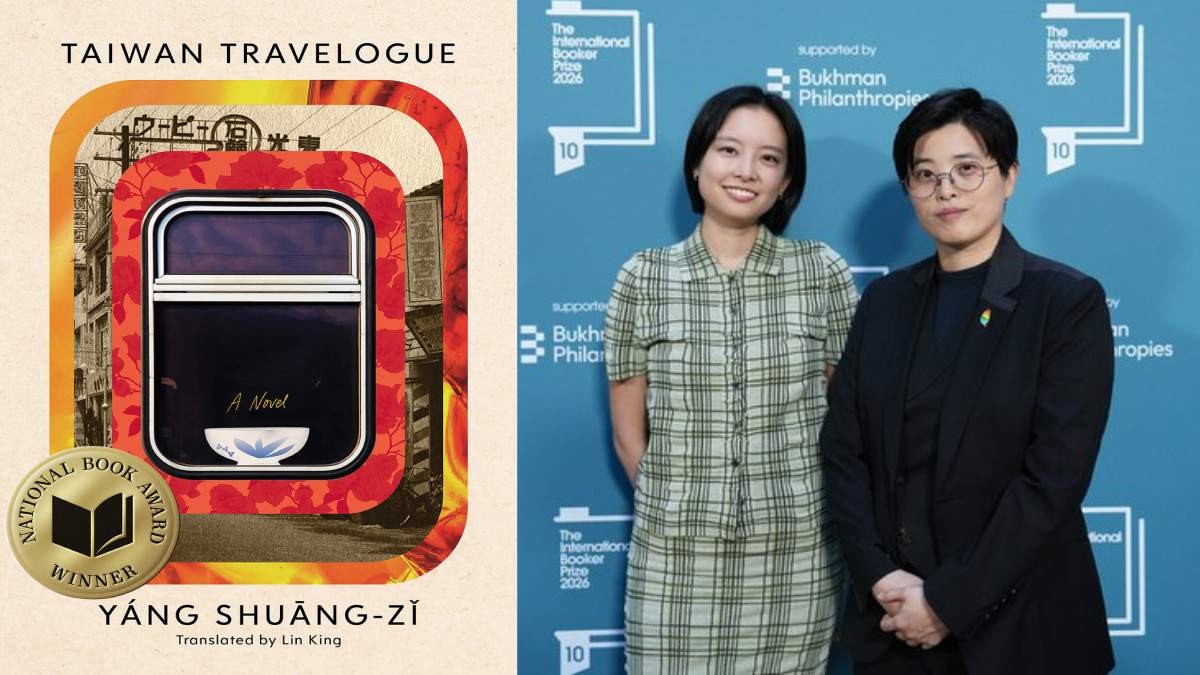
A breakthrough in translation and a significant work of literature, recognised around the world for its contribution to literature and international literature in Taiwan. Written by the Taiwanese author Yáng Shuāng-zǐ and translated into English by Lin King, the novel was recognised at a ceremony at London’s Tate Modern.
In the award’s rules, the £50,000 prize will be split equally between the author and translator, following the award program. "Taiwan Travelogue," based on Japanese-occupied Taiwan in the 1930s, fuses historical fiction with the romantic, food, and postcolonial critique on multiple levels.
Then the story travels a level, as a Japanese novelist travels with her Taiwanese interpreter on a culinary trip across Taiwan and is confronted with an easy subject for the first time. The book then delves into identity, colonialism, class, language and feeling.
The nuanced plots and emotional range earned the judges accolades. The book was, in Natasha Brown’s review, described as “captivating” and “wryly sophisticated,” due to its investigation of power dynamics and interpersonal relationships in a colonial context.

The book was first published in Mandarin back in 2020 and had already been widely acclaimed in Taiwan and won the Golden Tripod Award. Its English translation by Lin King would go on to win the U.S. National Book Award for Translated Literature in 2024, paving the way for its International Booker success. The victory is considered a milestone not only for Taiwanese literature but also for Asian storytelling and translation.
Literary critics and readers of all ages and nationalities have complimented the imaginative metafiction and colourful representations of Taiwanese culture, as well as the novel's emotional nuance. Books from multiple countries and languages were on this year’s International Booker Prize shortlist, as the world is increasingly hungry for translated novels. Its idiosyncratic voice (and significance), as well as history and identity, struck a chord in “Taiwan Travelogue.”
Taiwan is the winner of a cultural triumph: something that reads in and that literary communities celebrate as we come to understand our past through history, the local cuisine and practices of the storytelling world.