A 5.9-magnitude earthquake hit Japan’s Kagoshima region on Tuesday, rippling through several parts of southwestern Japan as waves and panic broke out among those living in the southwest of Japan.
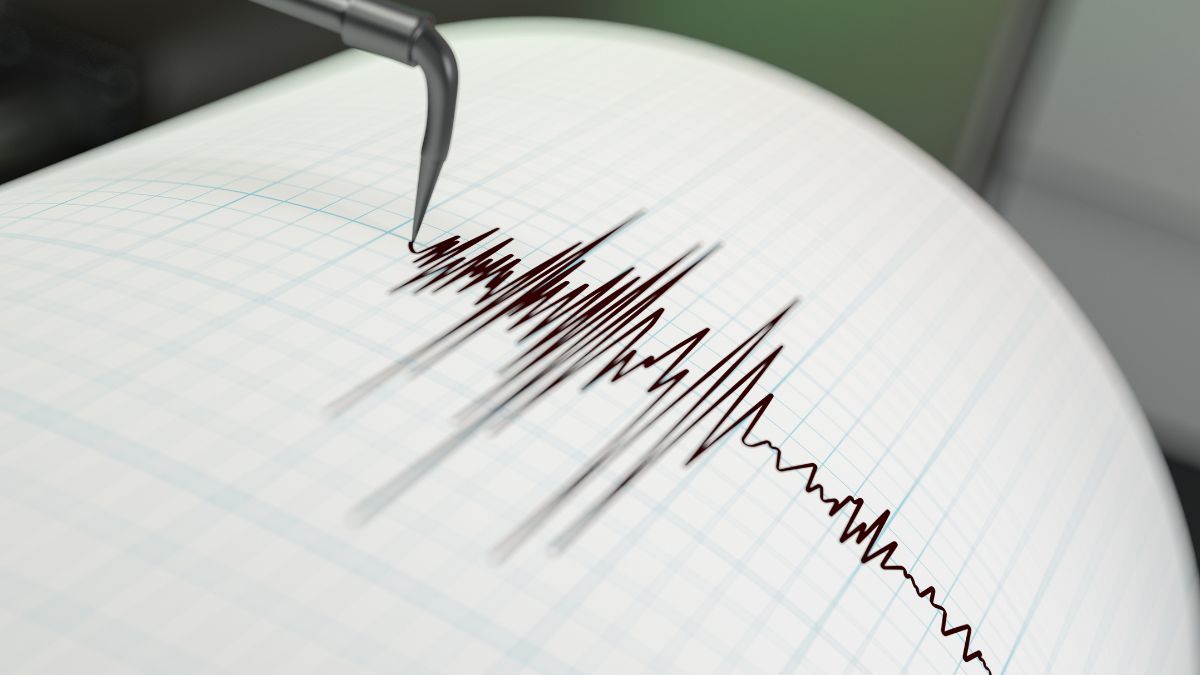
Japan’s official agency said the quake hit the coast off the coast of the Tokara island chain in Kagoshima Prefecture on Tuesday. The quake was likely shallow, resulting in shallow earthquakes that hit nearby mountains, neighbouring islands, and coastal areas. For minutes, the people could shake, then many of them rushed outside for a walk.
Officials soon set about seeking aftershocks and damage. Japan Meteorological Agency, however, had confirmed that no notification had been provided, a tsunami alert, or other tsunami warning and no broadcast tsunami warning was given following the tsunami in the catastrophe of a giant earthquake.
Officials said the earthquake was not expected to generate dangerous sea waves, lessening fears among coastal neighbourhoods in the area. Initial reports showed scant signs of impending casualties or damage on an epic scale. But city officials continued inspecting roads, buildings, ports and public infrastructure.
Rail and some transport services in neighbouring towns were placed under such temporary guidance following the tremors. Japan sits on the Pacific “Ring of Fire,” and is one of the most earthquake-prone countries on Earth; it is also well known for earthquakes caused by tectonic plate movements.

It also features some of the most advanced earthquake monitoring and disaster response systems in the world, providing help to authorities to take swift actions and issue alerts and health and safety advisories. Several earthquakes have occurred in this volcanic island locality for active seismic zone in the Kagoshima Region, in recent years.
That style of earthquake happens fairly frequently in southwestern Japan, experts say, although they are also often followed by harsher quakes, bringing about questions about potential aftershocks or volcanic activity. The JMA warned residents to be cautious because post-excitation aftershocks can persist for days.
Consumers were told, as officials had said, to put emergency procedures into place that they would observe with any subsequent tremor. Emergency management teams also cautioned people to be prepared with disaster kits, to lock their furniture indoors and to be watchful in coastal and mountainous areas where, after powerful earthquakes, landslides, or other second-order hazards can occur.
There was no posted tsunami warning but it had offered a measure of solace to the country but the experience had once again highlighted Japan’s vulnerability to the forces of nature and the need for measures that serve as a conduit for fast response in the face of emergencies.