Good manners are the best gift to children which parents and caregivers can give. Good manners are so much more than “please” and “thank you.” They build up children’s values of respect, empathy, kindness, and social skills and build up good behavior. They will shape the way children will grow up and be in their lives in the future. Good manners are a good way to maintain good relationships and improve communication skills as children enter school.
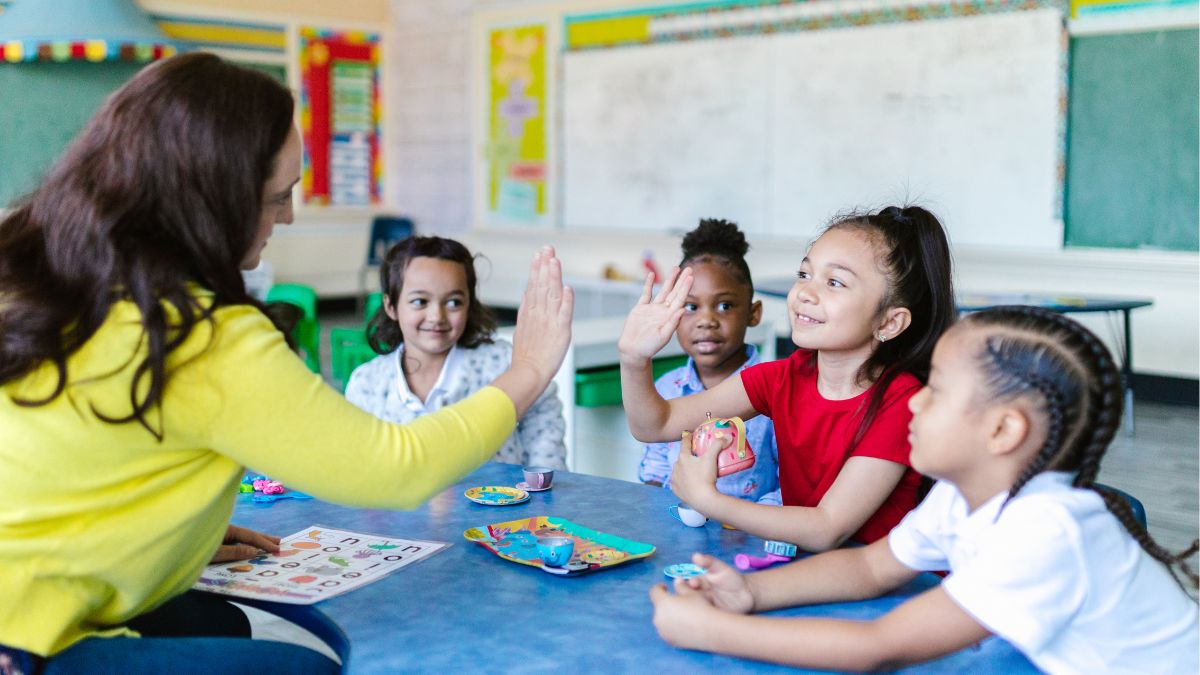
Children do not develop good manners as children are not born with good manners; they develop them through observation and practice. Parents are instrumental in instilling habits that kids are going to adopt as part of daily behavior and the children will be able to learn from one another. This can be achieved through patience, consistency and positive reinforcement. Patience, consistency, and positive reinforcement are all important in maintaining good manners.
Why Good Manners Matter
Good manners are critical because they help children learn how their actions affect those around them. They learn to treat people with respect, listen to others, share generously, and be thankful. These habits build relationships not only at home and school, but also in the community.
Children who practice good manners are most likely to have many benefits from good manners, including;
- Better communication skills
- Improved self-confidence
- Stronger friendships
- Greater respect from teachers and adults
- Better conflict resolution skills
And manners also imbue a sense of responsibility and self-control in children, both of which are really important in life, those things that are inextricably linked to success in the long term.
Start Teaching Early
In the best age to teach kids manners, it is early childhood. Young children are very observant and learn by looking at the adults around them. Early toddlers can learn basic words like “please,” “thank you,” “excuse me” and “sorry.”
Children need to learn to be respectful of people (handling guests politely, waiting for their turn and respecting personal space) and to speak kindly about what they talk about. These early lessons set up for a lifelong attitude of respect and consideration.
Be a Positive Role Model
Children naturally imitate what they see around them. So if parents behave with respect in polite language, give patience and treat people with respect, then children will be more likely to adopt those behaviors themselves.
Remember to:
- Use the words “please” and “thank you” constantly and make this language a part of your family’s daily routine
- Share your own family’s own stories
- Apologize to family members when you do wrong and show responsibility and humility
Explain it to them:
- Be polite to family members
- Talk to them in a kind manner
- But also show them how to talk to people with respect and be kind and be friendly
- Don’t talk to people without interruption to children
- That’s listening and showing them the importance of listening
- It’s what actions you do on a day-to-day basis that teach your child the best manners
Teach Basic Everyday Manners
And the simple manners learned in childhood are likely to develop into lifelong habits. Encourage your child to:
- When you ask for something,please use a polite tone when you’re about to ask for it, the first thing that comes to your mind is to say “please” and then say “thank you” when you receive it
- Thank you in a thank you way when you get help or make a thank you note when you get help or receive stuff to say a thank you thank you note and build gratitude
- Greet people politely and first impressions are very important
- Make eye contact when speaking, which conveys confidence by speaking and respect
- Wait patiently for others to wait to do it for your turn and in so doing you teach them patience and respect for others
- When coughing or sneezing they will cover their mouth to promote hygiene and consideration for others
- Knock before entering a room, respecting others’ privacy
- Clean up after themselves, in order to have responsibility and cleanliness
- Respect people’s belongings, and the concept of ownership and boundaries
- Use polite language instead of shouting to keep things calm
When possible, they can be practiced more in everyday family life than they can be done for mistakes.
Encourage Respect and Empathy
Good manners are more likely to be linked to empathy. Show children the need to learn to empathize with other people and understand them. Encourage them to be aware of how they are affecting others positively.
Ask thought-provoking questions such as:
- "How do you think your friend feels when that happened"
- "What could you say to help them feel better"
- "How would you feel if someone treated you that way"
Children develop compassion and emotional maturity from these conversations and will be able to cope with social situations in the rest of their lives.
Use Positive Reinforcement
Children’s hearts are encouraged and positive feedback works well. Instead of focusing on the wrongs and the bad and pointing out consequences, encourage good behavior in every way you can.
For example:
- "I noticed you shared your toys with your friend. That was very kind of you"
- "Thank you for saying excuse me before you start to interrupt; that shows great respect"
- "You greeted Grandma very nicely; she really appreciated that"
As a result, children are motivated by positive feedback to repeat respectful behavior, which only serves to reinforce their understanding of good manners.
Practice Manners During Meals
Family meals are great times to teach etiquette and good manners in a relaxed manner. Encourage your children to:
- Wash their hands before eating, and reinforce hygiene
- Wait until all is ready before you eat
- Smile when you talk and chew with your mouth closed so people will learn table manners
- Don’t interrupt conversations and show them that they need to liste
- Ask politely for food to be passed and keep it polite for the first time during meals. Thank the person who made the meal, and to give thanks
These routine habits in general prepare children to eat at restaurants and go to social events where good manners are expected.
Be Consistent
Children thrive on consistency and clear expectations. If certain behaviors are expected today, but overlooked tomorrow, then it creates confusion so if you have clear family rules for respectful communication and behavior and children are able to know what is expected, you will help them understand what you expect.
When correcting mistakes, do so calmly and without causing embarrassment. Instead of criticizing, gently remind your child of the expected behavior and give them another opportunity to practice it. This approach fosters a supportive environment for learning.
Limit Negative Influences
TV, social media and online content can impact children's behavior in the digital age. Parents should monitor what their children watch and engage with and that’s the most important thing: respectful communication and kindness when a rude disrespectful behavior is exhibited in entertainment or online.
Encourage books, educational programs and activities that promote kindness, teamwork, honesty and respect. Children can develop a good understanding of manners and respectful interactions in this way.
Make Learning Fun
Teaching manners is not a chore and lectures are not a lecture. Instead, try to add fun into the learning process like:
- You can play out different social situations to practice appropriate responses
- Read stories about kindness and a good attitude
- Play thank you games for gratitude and politeness
- Practice greetings with family members to build confidence
- Create a kindness chart (with daily goals) to see how well you are doing in good manners
Interactive learning keeps the children engaged and makes the lessons of good manners easier to remember and internalize. If you want the best of both worlds to teach good manners to children, you will have to have patience, persistence, and love as part of the process of learning good manners.
Good manners in a child’s life is a constant process that demands patience, consistency, and love. Every polite word, respectful action, and kind gesture contributes to a child’s character.
The child’s character, too, is molded through positive behavior, empathy, and being nice, but also good manners and behavior, so good behavior is taught; parents must teach that good manners and how to be a good person is to be confident, considerate, and responsible in the way that good behavior and well-behaved children come from our own children.
Good manners go beyond just following the rules; they reflect the spirit of respect, the need to build meaningful relationships, and the goal of making the world kinder. The lessons children learn today will guide them through their life’s work, creating thoughtful adults who contribute positively to society and enrich the well-being of the people around them. In a world that is often chaotic, good manners can be one of the most important legacies we leave for the next generation.