Protein is one of the most important nutrients the human body needs for growth, repair, and overall health. Although high-protein diets are seen as linked to bodybuilding and weight loss, protein is a much more fundamental component of maintaining healthy muscles, organs, hormones, and body tissues.Protein works, and protein is a good protein source—and good sources of protein can help shape muscle, support metabolism, and maintain health.
Why is Protein Important
Protein is the second most abundant component of the human body after water. It is a major structural element of: Muscles.Organs. Skin. Hair. Nails. Enzymes. Hormones. Immune cells. The human body is constantly breaking down and rebuilding protein so that we can repair our body and its tissues, support normal growth, and perform basic functions.
Protein and Muscle Growth
Protein-rich diets are so popular in order to build and maintain muscle. Muscle tissue is primarily made of protein. Muscle fibers are under some degree of stress during exercise, especially resistance or strength training. Amino acids from dietary protein help repair these fibers, making them stronger over time.
Benefits of adequate protein intake include:
- Supporting muscle growth
- Preserving lean muscle during weight loss
- Enhancing recovery after exercise
- Improving strength and physical performance
Protein is not sufficient to build muscle in itself. The best way to get the most out of protein is to train regularly with the right nutrition.
Understanding Amino Acids
Proteins are made of smaller building blocks called amino acids. The human body requires 20 amino acids to function. These are divided into two categories:
Essential Amino Acids
Essential amino acids cannot be produced by the body and must come from food.
They are necessary for:
- Muscle repair
- Tissue growth
- Hormone production
- Enzyme functionm
- Imune health.
Non-Essential Amino Acids
Non-essential amino acids can be produced by the body under normal conditions. In the end, even though the body can produce these amino acids, they remain important for overall health and normal bodily functions.
Choosing High-Quality Protein Sources
A balanced protein diet should consist of foods that provide all the essential amino acids while also supplying vitamins, minerals, and dietary fiber.
Healthy protein-rich foods include:
- Plant-Based Sources
- Broccoli. Spinach. Beans. Lentils. Chickpeas. Walnuts. Almonds. Other nuts and seeds. Barley. Whole-grain pasta.
- Animal-Based Sources
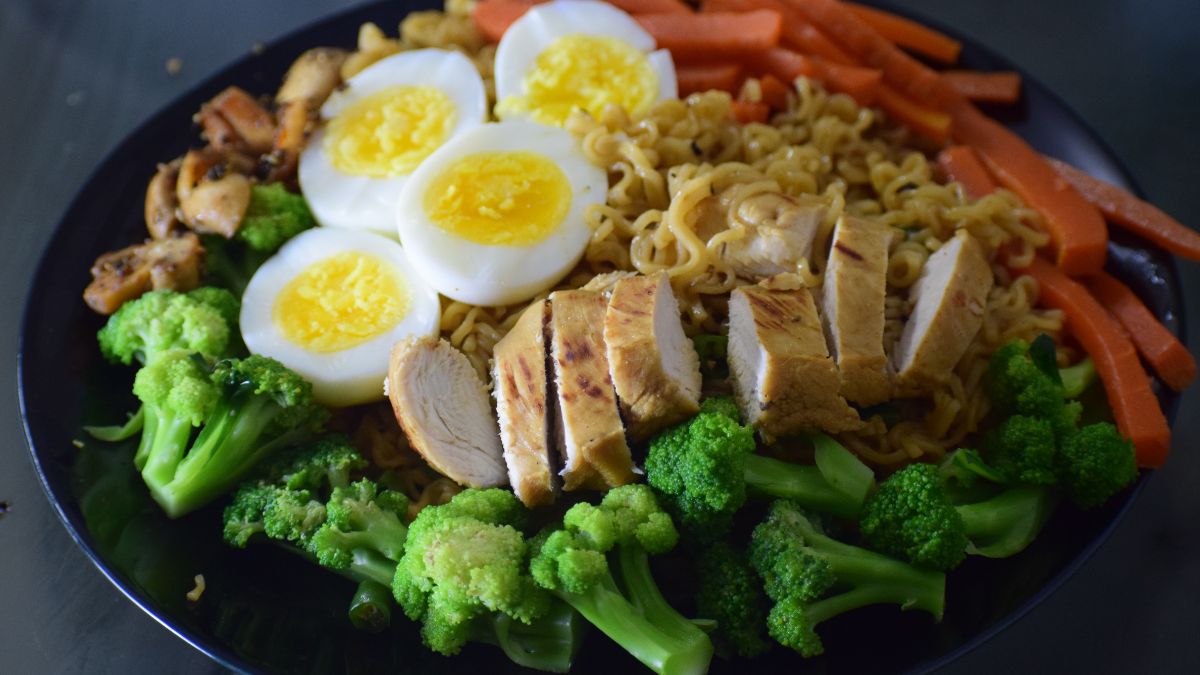
- Fish. Chicken. Turkey. Eggs. Lean beef. Low-fat dairy products. Greek yogurt.
- Combining different plant-based proteins throughout the day can help provide a complete amino acid profile.
Protein and Weight Management
Protein can help with weight management as well.
Higher-protein meals may:
- Increase feelings of fullness
- Help reduce unnecessary snacking
- Support lean muscle mass during calorie reduction
- Require slightly more energy to digest compared with fats and carbohydrates.
But successful weight management, as we know it, takes an overall balanced diet, regular physical activity, adequate sleep, and sustainable lifestyle habits.
Building a Balanced Protein Diet
Instead of focusing on protein alone, we have to eat a whole food plan which includes:
- Lean protein sources
- Whole grains
- Fruits Vegetables
- Healthy fats
- Plenty of water.
A balanced approach provides the nutrients your body needs for energy, recovery, and long-term health.
Protein is more than just a nutrient for athletes; it is critical to almost all of the functions of the human body. Protein is the foundation of muscles, organs, enzymes, and hormones and is vital for health. Choosing a variety of high-quality protein sources, including foods rich in essential amino acids, can help maintain muscle health, promote growth, enhance recovery, and support weight management. Combined with regular physical activity and a balanced diet, adequate protein intake forms an important foundation for lifelong wellness.