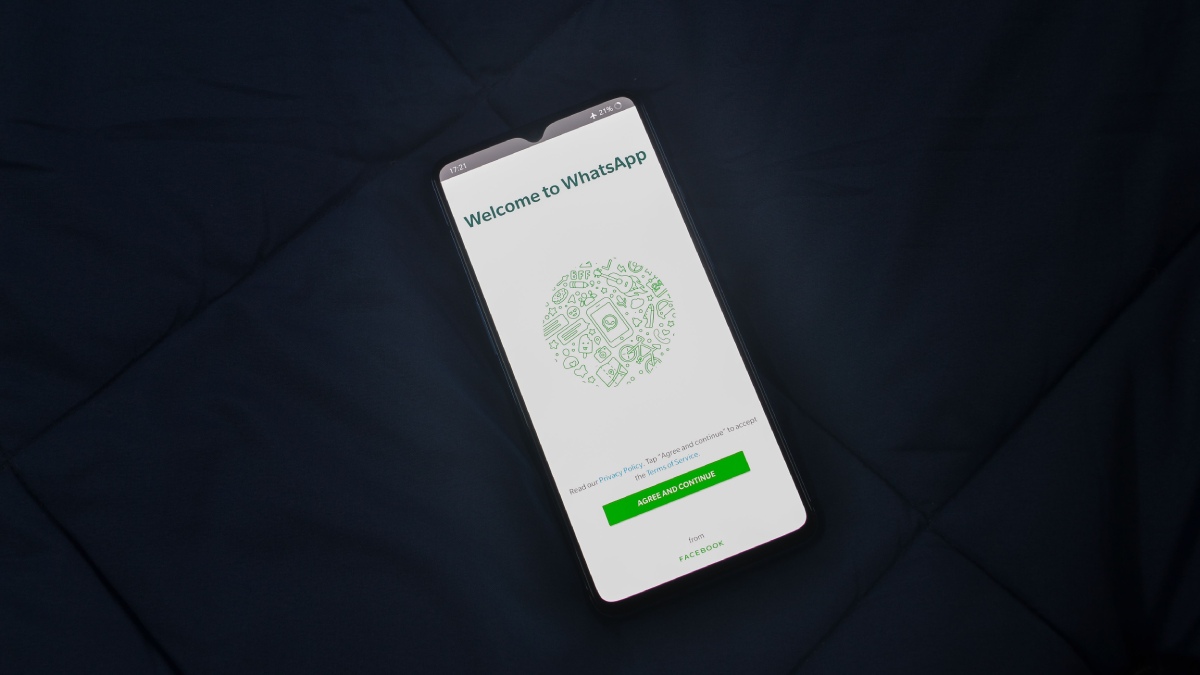
Since WhatsApp Username Row, the government may introduce common rules to make Messaging Apps Safer.

The central government is considering a common set of safety and compliance rules for messaging platforms after WhatsApp's proposed username feature. This is a part of the solution to make messaging applications in India safer, digital, and universal.
As messaging apps are central to communication, commerce, education, and public services, regulators are increasingly looking for a regulatory framework that balances innovation with user safety. The reported proposal comes with new platform features (say, username-based communication), which would be more challenging for privacy, identity verification, impersonation, and online fraud.
Why is the government considering new rules?
Messaging applications such as WhatsApp, Telegram, Signal, and others are so much more than text messaging. They now support voice and video calls, digital payments, business interactions, AI-based services, and community management.
Officials are looking at whether existing digital regulations are sufficient to address any new risks. A common regulatory framework could establish consistent safety standards across all major messaging platforms instead of platform-specific policies.

The discussion was on the rise after WhatsApp started testing a username-based identity feature. WhatsApp users could communicate without phone numbers, and for the most part, users appreciated that, but experts also warned of how vulnerable the system can be if there is no proper security or if someone wants to make a fake account and fake identity.
Focus on User Safety
One of the government's top priorities is to fortify user protection against online scams, cybercrime, harassment, and identity theft. We could see systems and tools to help platforms develop better verification capabilities, better reporting systems, and to act more quickly when fake profiles or malicious activity is made public.
And as messaging apps introduce new identity features, cybersecurity experts believe that they should also have robust mechanisms to identify suspicious behavior, prevent abuse of accounts, and educate users about digital safety.
In addition, the proposed framework would also provide more transparency into how messaging platforms handle user accounts, moderation of issues, and how they respond to legal requests. Privacy and the security of users are key aspects of how we work.
Balancing Privacy and Accountability
India has always stressed the importance of user privacy and digital platforms’ accountability. Any future regulations will take both objectives into account.
Industry experts say that policymakers should consult technology companies, cybersecurity experts, privacy advocates, and lawyers before deciding whether or not to make any new framework final. Such discussions could help ensure that regulations are not only practical but also do not stifle innovation or compromise secure communication.
Technology companies generally have been supportive of safer user protection measures, and also stressed end-to-end encryption and protecting users' private communications.
Industry-Wide Impact
If implemented, a common set of safety rules would likely apply to multiple messaging services rather than targeting one platform. That could bring a more predictable regulatory environment and establish uniform compliance requirements for companies operating in India's rapidly expanding digital ecosystem.
Businesses using messaging apps for customer service and communication may also benefit from the standardization of safety protocols that build trust with the user.
Digital policy experts say that many countries are reviewing online safety regulations as messaging platforms continue to add new features powered by artificial intelligence and more sophisticated digital identities.
What happens in the next phase?
At present, there is no final policy in place. The reported discussions suggest that the government is now looking into possible solutions before it can come out with any formal regulatory plan.
The future framework will be subject to stakeholder consultations and legal review before implementation, and if possible, users should still follow basic cybersecurity practices of checking unknown contacts, not using links from suspicious sources, using two-factor authentication when possible, and reporting fraud if possible.
As India's digital ecosystem grows, common safety rules would be a step towards a safer and more transparent messaging environment for users and technology development for the future, while also protecting the privacy of users.