The city of Mysuru should have its MRFs operational by the middle of August and this is a step in the way of improving scientific solid waste management and sustainable urban development. It is a project to improve waste segregation, recycling rates, landfill avoidance and clean urban environment by processing recyclable materials efficiently.
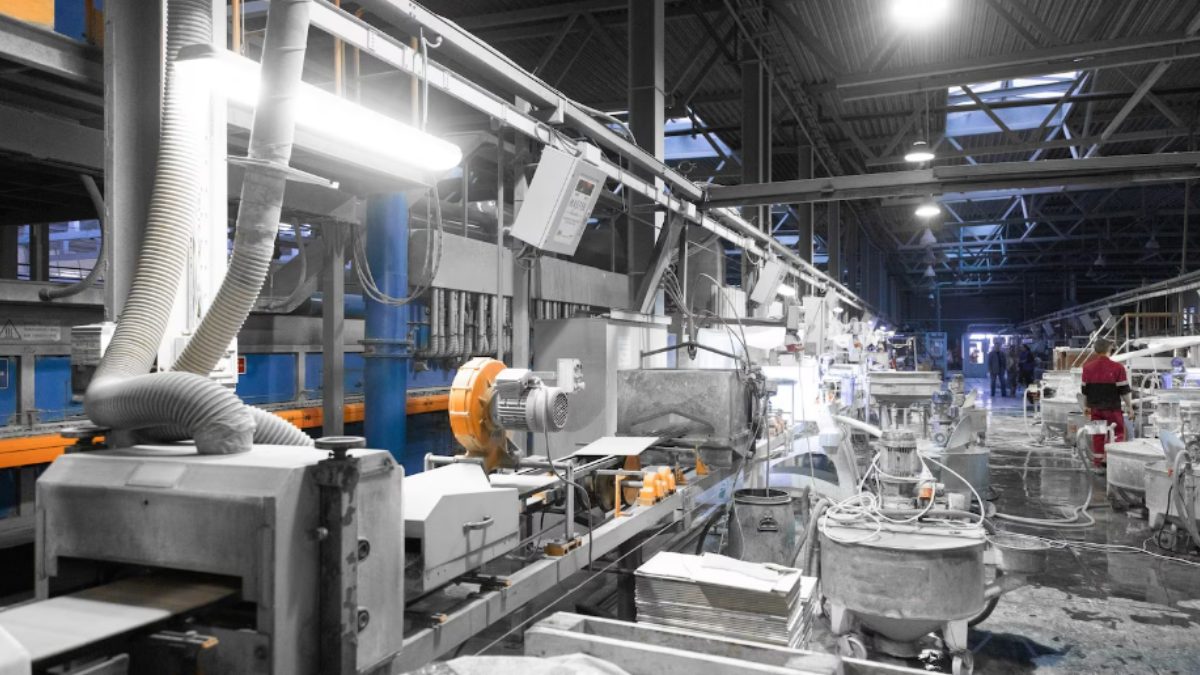
Project officials have said that preparations are on the way and the facilities will be functional once all the existing infrastructure and equipment are in place. This project is part of the Mysuru City Corporation (MCC) strategy to modernise waste management systems in line with national environmental and sustainable urban planning guidelines.
Material Recovery Facilities play a crucial role in contemporary waste management. Unlike dumping grounds, MRFs are designed to handle dry waste from households, commercial buildings, institutions and public spaces. The waste is then sorted into recyclable categories such as paper, cardboard, plastic, glass, metal and other reusable materials and sent to approved recycling units. This move reduces the amount of waste that ends up in landfills and recovers valuable resources that can be returned to the community.
Municipal officials say they think the new facilities will greatly improve Mysuru’s waste processing capacity. Segregated and recycled materials will also reduce pollution and municipal waste management costs in the long run as they will minimize the amount of waste that requires disposal in the end.
The initiative also aligns with India's larger aims through the Swachh Bharat Mission (Urban) and various state-level environmental programmes that promote scientific waste management, source segregation, circular economy and sustainable urban infrastructure. Cities are increasingly investing in Material Recovery Facilities as part of integrated solid waste management systems.
The success of the MRF project will depend heavily on waste segregation at the household level. Residents need to separate wet waste, dry waste, sanitary waste and hazardous household waste before disposal, the authorities have said. Proper segregation allows Material Recovery Facilities to work efficiently, increase recycling and reduce contamination of recyclable materials.
Environmental experts have taken this to heart as recycling conserves natural resources, reduces greenhouse gas emissions, decreases energy consumption in manufacturing, and limits environmental degradation caused by excessive landfill use. Recycling recyclable materials also supports a circular economy of products and materials that are used for longer periods of time than they could be discarded.
The facilities will also provide employment in waste sorting, recycling operations, transportation, and resource recovery. Many cities have integrated informal waste pickers into formal recycling systems to improve the collection efficiency and work-related income and safety.
Specific awareness campaigns will continue with the launch of the facilities in the future to educate people on responsible waste disposal methods for waste disposal and recycling, waste disposal, recycling, composting and environmental conservation. Schools, resident welfare associations, commercial establishments and community groups will also be involved in waste reduction, recycling, composting and environmental conservation programmes.
Plastic waste will be a significant focus for the new system. Single-use plastics and mixed plastic waste remain major environmental issues in urban areas. Better segregation and recovery will help to divert plastic waste in the city to authorized recycling and processing facilities and not end up in open areas, drains or landfills.
As cities are growing, urban planners believe that waste management is more important. Increasing populations and increased commercial activity generate more municipal solid waste and more modern facilities are needed to dispose of it in a responsible manner. Material Recovery Facilities are part of integrated waste management that also include composting, biomethanation, recycling and safe disposal of residual waste.
Mysuru City Corporation has always been on the lookout for cleanliness in the city by providing the city with better sanitation services and citizen participation. Material recovery facilities will therefore strengthen those efforts to more efficiently process recyclable materials and to achieve long-term sustainability goals.
Residents will play an important part in the success of the project. Households and businesses are encouraged to comply with waste segregation guidelines and to dispose of recyclable materials separately from mixed waste. Public participation and municipal infrastructure is essential to the real transformation in urban waste management.
The plan to build the material recovery facilities is to have them in place for August and therefore to be in place to clean up, recycle, reduce environmental pollution and to have a sustainable resource management system. Mysuru is a place of sustainability in the future and so the project is a part of their commitment to sustainability.