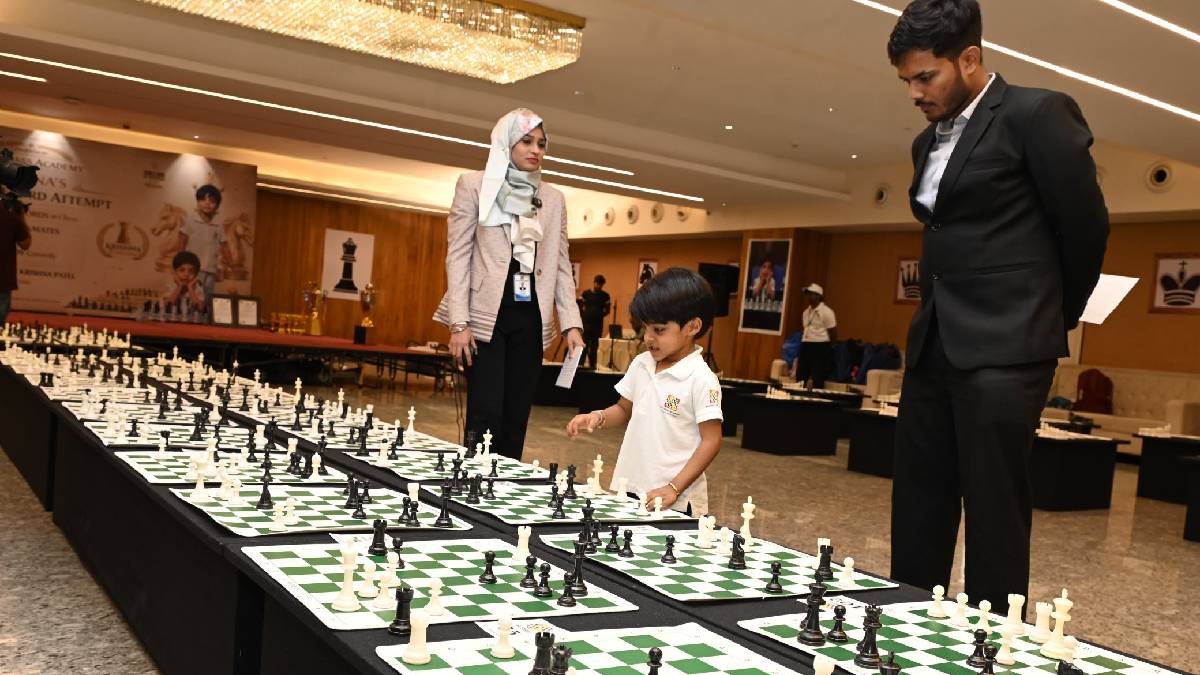
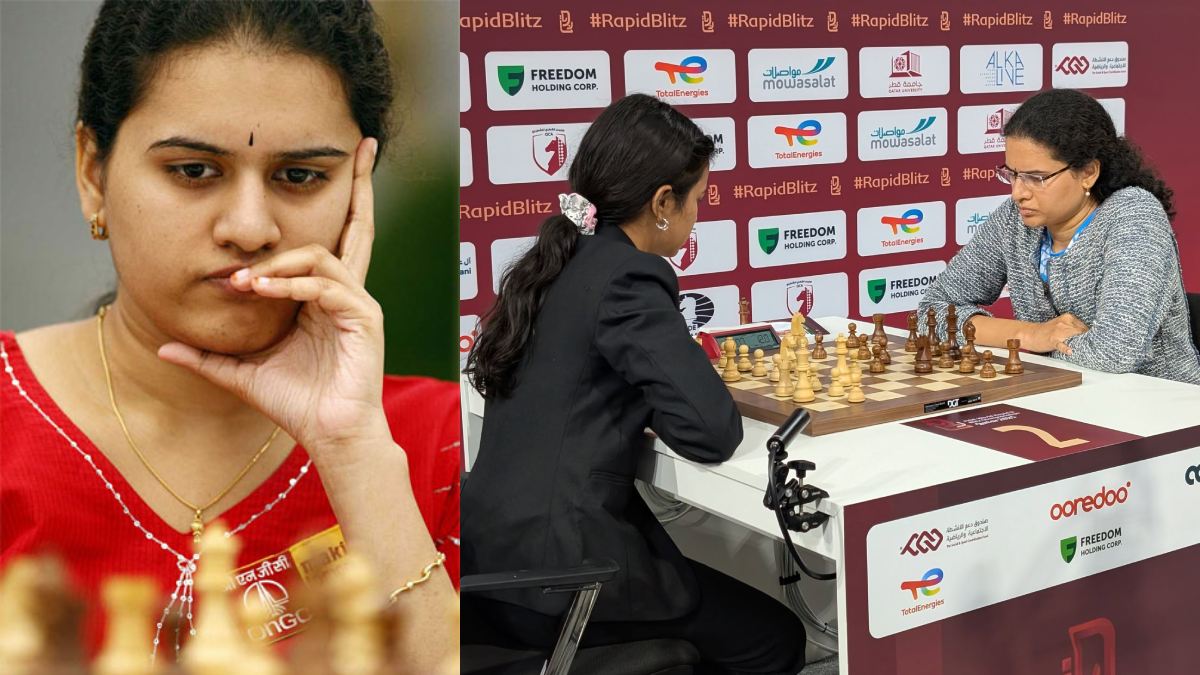
Chess is one of the oldest and most popular games in the world. Known as the “Game of Kings,” chess has been played by people from all different cultures and backgrounds for many centuries. That’s why chess is seen as a game that is more than just a sport or recreation for many people nowadays. Chess helps improve mental capabilities, builds character and teaches life skills that can be useful to all of us.
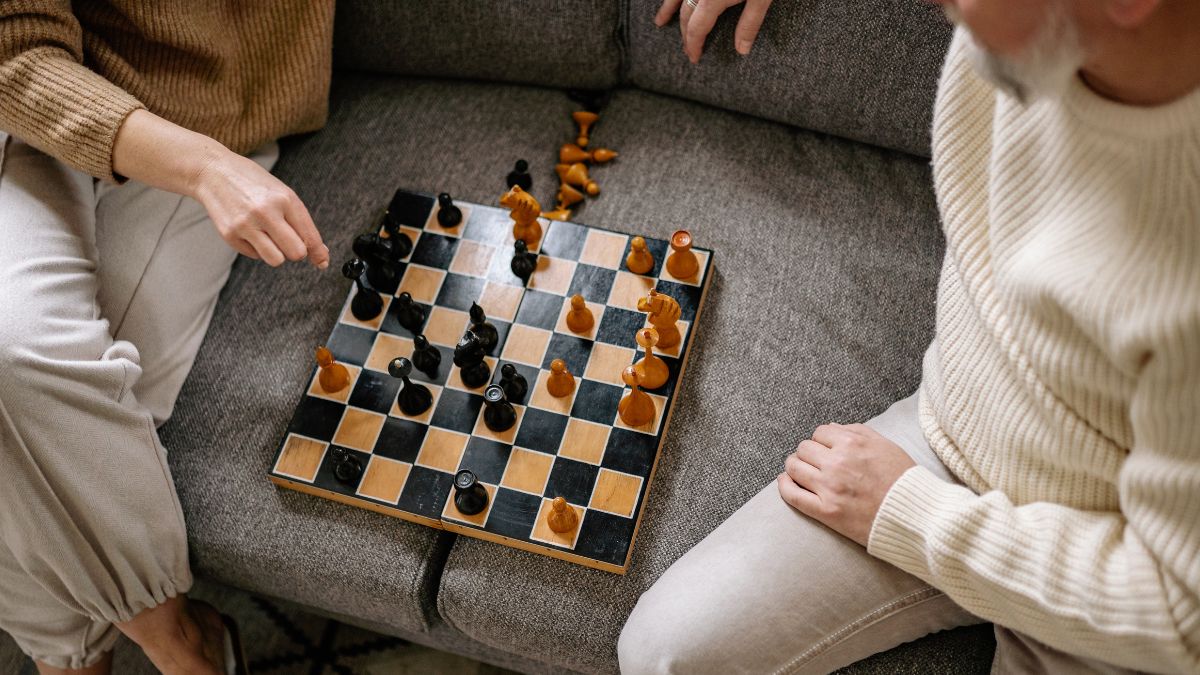
One of the greatest benefits of playing chess is to develop critical thinking and problem-solving skills. Chess players need to analyse the board and plan, and think several moves ahead. This process strengthens logical reasoning and decision-making ability, which makes chess a great brain game.
Chess also helps memory and concentration. To become a great player, it is all about understanding rules, opening strategies, tactical patterns, and endgame strategy. Regular practice helps the brain retain information and stay focused for longer periods of time. This is why teachers encourage their students to play chess so they are better at it and concentrate in class.
Another benefit of chess is that it encourages creativity. Chess is a game with rules, but there are many ways to play chess. Players often develop strategies, creative attacks, and unexpected moves to gain an advantage. The ability to think outside the box stimulates imagination and innovative thinking, skills that are also useful in many fields of life.
Chess is an excellent teacher of patience and discipline, too. Success in chess rarely comes from rushing decisions. Players must remain calm, think carefully, and consider the consequences of their actions. Each time they play chess, they learn self-control, discipline, and how to make smart choices. These qualities can improve personal, academic, and professional life.
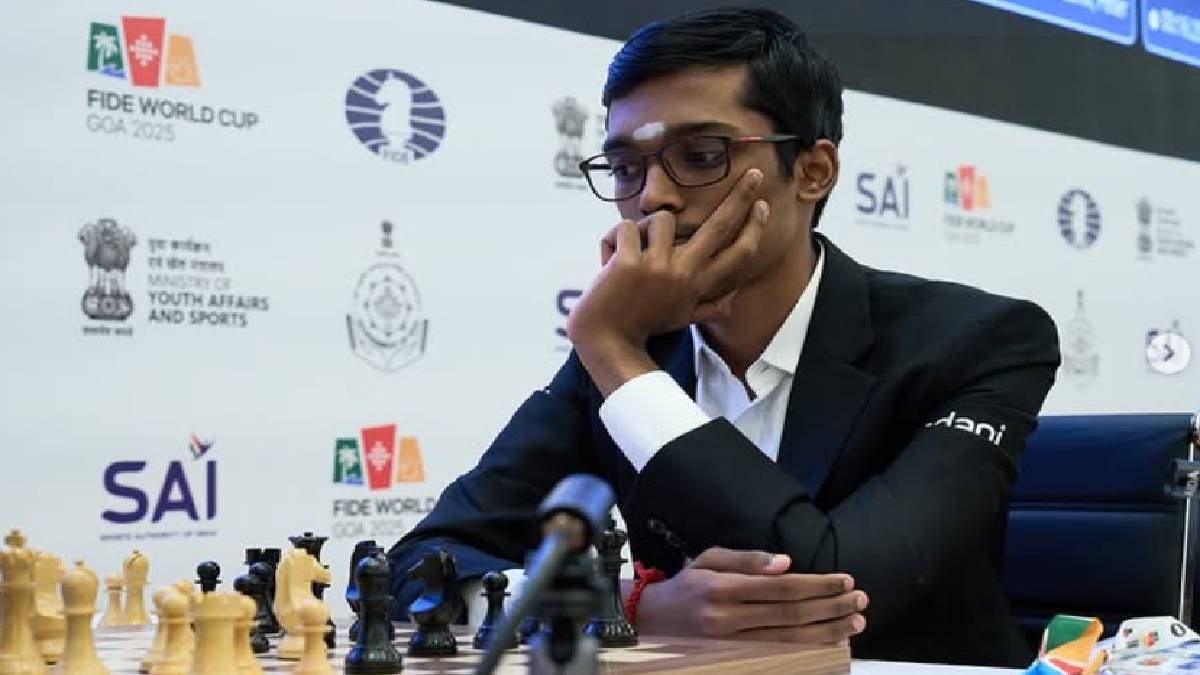
Confidence is another important lesson that chess teaches. Winning games and learning new strategies bring a sense of success and self-belief. At the same time, losing a game teaches resilience and the need to learn from mistakes. Chess teaches players to view the losses as opportunities to grow and not reasons to quit.
Chess can be an excellent stress-relief activity in today’s fast-paced world. People concentrating on the game can temporarily withdraw from daily life and focus on the game as a positive mental challenge. Chess is relaxing and intellectually satisfying for many people.
Even beyond personal development, chess encourages social interaction and community involvement; chess clubs, school competitions, and tournaments bring together people from different backgrounds. Players can make new friends, develop good sportsmanship, and build good communication skills. The game fosters mutual respect and healthy competition.
In the end, chess is more than a simple board game. It is an important teaching tool that builds critical thinking capabilities, memory, creativity, discipline, confidence, and reduces stress while making friends. Chess, whether played casually or competitively, gives a lifelong return on investment that is good for the development of the individual and for the intellectual well-being of the group. That is why chess is one of the best and most valuable games of all time.