Maharashtra will become India’s first AI-enabled bird sanctuary and pioneer the use of technology in wildlife conservation. The innovative project will also incorporate AI and environmental monitoring technologies in an effort to track flamingos and other migratory birds to see how birds migrate, what animals move around in their habitats and how they use them and how biodiversity is affected in the ecosystem and they move so that nature can be saved.
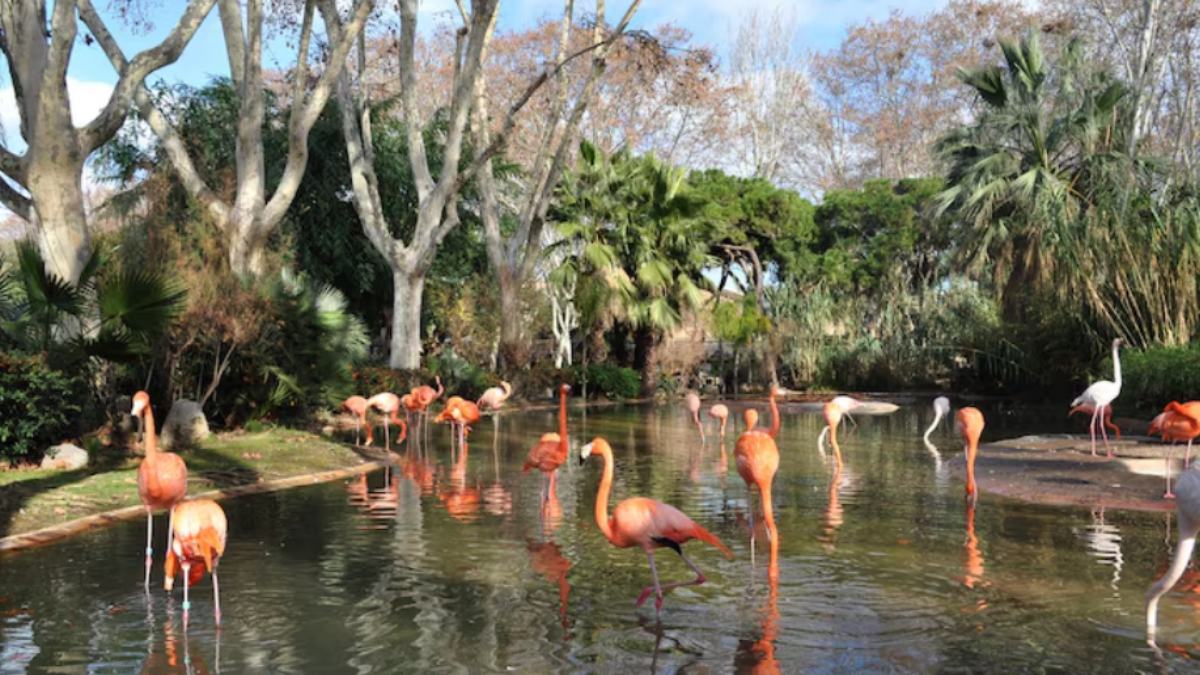
The initiative is a major step forward for India’s environmental management system that combines modern technology and old-fashioned conservation methods. It will help in protecting bird habitats and scientific research into migratory species that are seen annually in Maharashtra in the form of AI-powered surveillance and data analytics and automated monitoring systems.
Flamingos are among the most ubiquitous migratory birds seen in the wetlands and coastal areas of Maharashtra. Flocks migrate regularly from far away to the lakes, estuaries and mudflats that are fun to see and enjoy and that are full of birdwatchers, researchers, photographers and nature lovers. They are considered an important indicator of the ecosystem of wetland habitats.
Under the scope of the proposed project, AI-enabled cameras and intelligent monitoring systems will be used to monitor bird activity within the sanctuary through the ecosystem and will monitor bird activity in real-time at all times. Unlike other forms of surveillance that rely on human observation (e.g., in-bird monitoring) and surveillance methods that are manual, the AI will automatically identify bird species, estimate flock sizes, track migration patterns, and detect the presence of bird behaviour that is unusual. This will give forest officials and wildlife experts more accurate and efficient ecological information.
Artificial intelligence can also point out threats to bird habitats to authorities. The system could be able to detect human intrusion, illegal activities, habitat degradation, or environmental disturbances in real time and so officials can react faster. Early detection of dangers could be vital for bird populations and for endangered wetland habitats.
We believe that integration of AI in wildlife management can change wildlife management in India. Traditional field surveys are costly and often require a lot of manpower and may be hampered by weather or access to personnel. But AI-powered monitoring can be used in the field for data and provides researchers with continuous data to detect long-term ecological trends and make decisions on conservation research.
The sanctuary is expected to benefit not only flamingos but also many other migrating and resident birds that depend on Maharashtra wetlands throughout the year. These habitats support a rich diversity of wildlife and contribute much to ecological balance by maintaining water quality, supporting fisheries, and maintaining natural biodiversity.
Scientists have long stressed the importance of protecting migratory bird routes, especially in an era of rapid urbanization, climate change, pollution and habitat loss. In addition, temperature, rainfall, and coastal ecosystems impact migration and breeding success. Advanced monitoring technologies - such as AI - can provide valuable insights into how birds respond to these environmental changes and help policymakers to better design conservation policies.
Besides conservation, the AI-powered sanctuary is expected to promote eco-tourism and environmental education. Bird lovers, students, researchers and visitors will benefit from an interactive digital information system with bird behaviour, migration cycles and habitat conservation information. That kind of work can make public consciousness of wetlands and get the local community involved in conservation.
The project also fits with India’s wider philosophy for the integration of emerging technologies in environmental governance. Artificial intelligence is being more and more widely applied in agriculture and health care and disaster management and urban planning. Its use for wildlife conservation shows how technology works for sustainable development in harmony with the natural environment.
Wildlife researchers have been encouraged by the initiative and say that continuous data collection can be used to increase our understanding of migration patterns and the habitat habits of migrating birds. Artificial intelligence (AI) can help in predicting population trends, migration periods, nesting and habitat preferences and can help to create conservation strategies in real-time rather than being based on periodic observations.
Environmentalists have also stressed that technology is an important tool, but conservation ultimately needs to be done to ensure natural habitat conservation, environmental regulation enforcement, and the involvement of local communities. AI can enhance monitoring capabilities, but long-term protection will require shared efforts from government agencies, scientists, conservation organizations and the public.
If implemented successfully, Maharashtra's AI-driven bird sanctuary could be used as a model for similar conservation projects throughout India. Other states with a large wetland ecosystem and migrating bird populations can adopt similar technologies to enhance biodiversity protection and ecological research.
As India is continuously forging innovative solutions to environmental conservation, the AI-driven sanctuary for flamingos and migratory birds is not only an example of a new frontier towards science-based and sustainable management but a step forward towards sustainable management in our country as well. Maharashtra is also taking the first step towards the future generations’ appreciation for seasonal bird migration while protecting the country’s great natural heritage.