Patanjali Consumer Products, once hailed as a disruptive force in India’s FMCG sector, has faced a significant downturn in recent years. Despite its meteoric rise powered by Ayurveda, nationalism, and affordability, the brand’s fall has been shaped by a mix of regulatory setbacks, credibility issues, and strategic missteps.
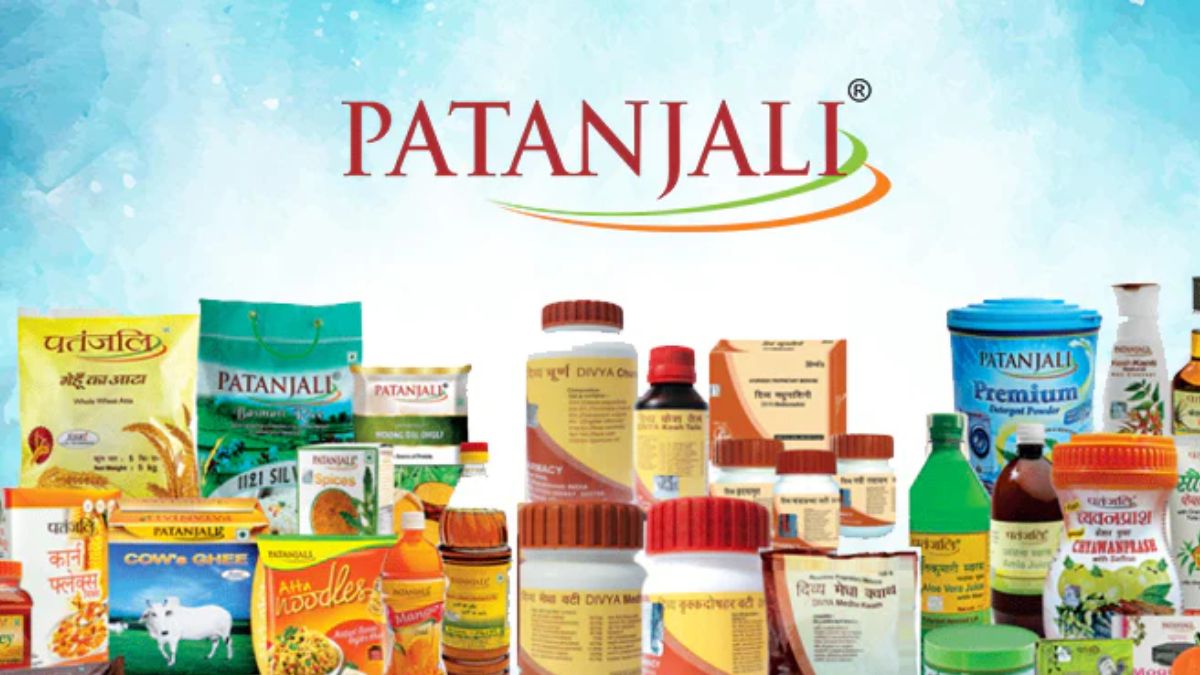
The Rise: Swadeshi and Ayurveda as Market Catalysts
Founded in 2006 by Baba Ramdev and Acharya Balkrishna, Patanjali quickly captured the Indian market with its unique blend of Ayurvedic products and a strong “Swadeshi” (indigenous) narrative. By 2016, it had become one of India’s fastest-growing FMCG brands, challenging giants like Hindustan Unilever and Dabur with its low-cost, herbal alternatives.
Misleading Claims and Regulatory Crackdowns
One of the most damaging blows to Patanjali’s reputation came from misleading health claims. The brand faced legal action for promoting products like Coronil as COVID-19 cures without scientific backing. In 2024, the Uttarakhand licensing authority suspended licenses for 14 Patanjali products due to deceptive advertising practices.
The Supreme Court of India also criticized the company for publishing inadequate apologies and continuing to make disease-treatment claims in violation of the Drugs and Magic Remedies Act of 1954.
Quality Control and Product Efficacy Concerns
Despite its Ayurvedic positioning, Patanjali struggled with product consistency and quality control. Several products failed to meet FSSAI standards, leading to recalls and public skepticism. Consumers began questioning whether the brand’s rapid expansion compromised its commitment to efficacy and safety.
Overexpansion and Operational Strain
Patanjali’s aggressive push into diverse categories—from food and cosmetics to apparel and telecom—led to overextension. The company launched multiple ventures without consolidating its core strengths, resulting in diluted brand focus and operational inefficiencies.
Retail partnerships and distribution networks also faced challenges, with reports of supply chain disruptions and poor inventory management.
Declining Market Share and Brand Trust
As controversies mounted, Patanjali’s market share began to erode, especially in urban areas where consumers shifted toward more transparent and scientifically backed brands. The initial wave of patriotic consumerism faded, and the brand struggled to maintain relevance among younger, health-conscious buyers.
What’s Next for Patanjali?
While Patanjali still retains a loyal rural customer base, its future hinges on regaining consumer trust, improving product quality, and aligning with modern regulatory standards. A strategic reset—focusing on transparency, innovation, and compliance—could help the brand recover its lost momentum.