
The Union Government has released ₹1.09 lakh crore to state governments ahead of schedule, giving states a cash boost ahead of the festive season. The Ministry of Finance announced on November 5, 2026, that ₹1,09,019 crore will be released under the Centre’s regular monthly tax devolution mechanism.
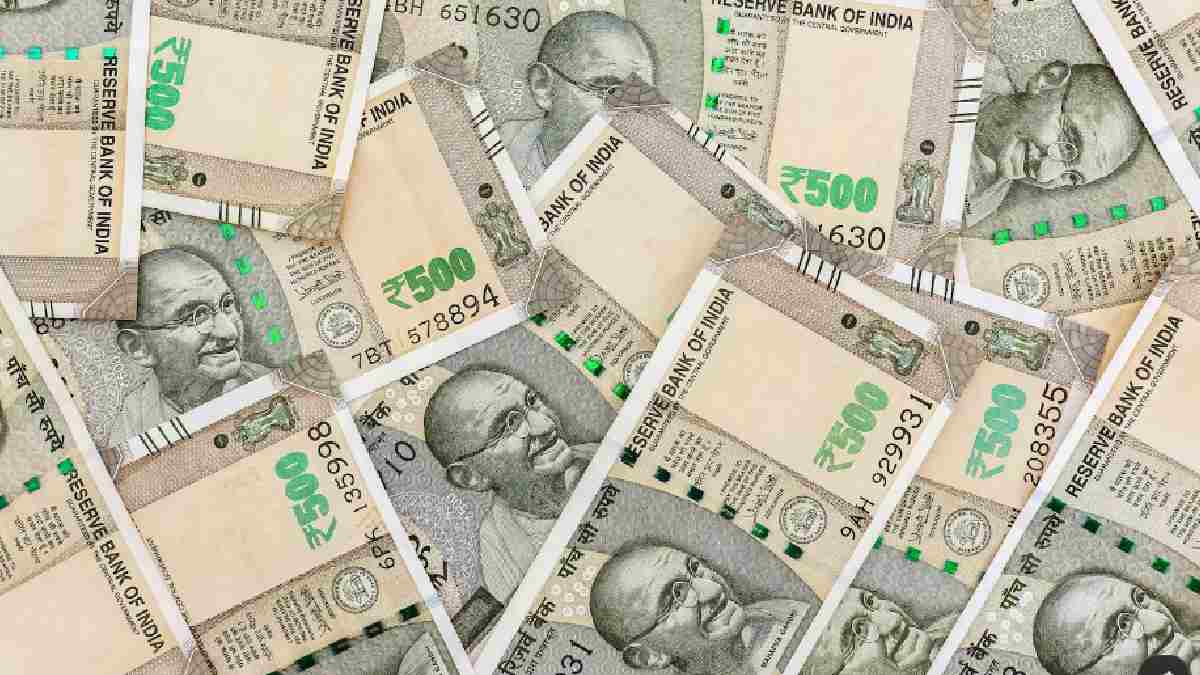
The instalment (scheduled for November 10) will be released five days earlier, the Ministry of Finance said. The move is to help state governments speed up capital expenditure and fulfil development and welfare spending requirements.
Uttar Pradesh got the highest allocation of ₹19,208 crore, followed by Bihar with ₹10,845 crore and Madhya Pradesh with ₹8,010 crore. The funds have been distributed among 28 states as per their share under the tax sharing arrangement.
The early release is expected to give state governments additional financial space to carry out ongoing infrastructure projects, public services and welfare programmes during the festive season.
Uttar Pradesh Receives the Largest Share
Uttar Pradesh received the largest allocation under the November tax devolution instalment with ₹19,208 crore; Bihar got ₹10,845 crore, and Madhya Pradesh got ₹8,010 crore.
West Bengal got ₹7,866 crore; Maharashtra got ₹7,022 crore, and Rajasthan got ₹6,460 crore.
Among the southern states, Andhra Pradesh got ₹4,597 crore; Karnataka ₹4,504 crore and Tamil Nadu ₹4,466 crore. Kerala got ₹2,597 crore and Telangana ₹2,370 crore.
The state-wise allocation shows how much of the Centre’s tax revenue is distributed among states under the existing devolution framework.
State-wise tax devolution: How much did each state get?
The Ministry of Finance released the state-wise allocation under the November 2026 tax devolution instalment as below:
| State | Allocation |
|---|---|
| Uttar Pradesh | ₹19,208 crore |
| Bihar | ₹10,845 crore |
| Madhya Pradesh | ₹8,010 crore |
| West Bengal | ₹7,866 crore |
| Maharashtra | ₹7,022 crore |
| Rajasthan | ₹6,460 crore |
| Odisha | ₹4,819 crore |
| Andhra Pradesh | ₹4,597 crore |
| Karnataka | ₹4,504 crore |
| Tamil Nadu | ₹4,466 crore |
| Gujarat | ₹4,094 crore |
| Chhattisgarh | ₹3,602 crore |
| Jharkhand | ₹3,660 crore |
| Assam | ₹3,552 crore |
| Kerala | ₹2,597 crore |
| Telangana | ₹2,370 crore |
| Punjab | ₹2,176 crore |
| Haryana | ₹1,484 crore |
| Arunachal Pradesh | ₹1,476 crore |
| Uttarakhand | ₹1,244 crore |
| Himachal Pradesh | ₹996 crore |
| Tripura | ₹699 crore |
| Meghalaya | ₹688 crore |
| Manipur | ₹682 crore |
| Mizoram | ₹615 crore |
| Nagaland | ₹524 crore |
| Goa | ₹398 crore |
| Sikkim | ₹365 crore |
The allocations are part of the monthly transfer of states’ share in central tax revenues.
Why Did the Centre Release the Funds Early?
The Union Government said the early release was to support state spending ahead of the festive season.
State governments need large amounts of money to run public services, welfare schemes and infrastructure development. Funds received before the due date can help states better plan immediate expenditure requirements.
The early transfer could also help states accelerate capital spending on roads, public infrastructure and other development projects.
However, the November instalment is not a separate financial assistance package. It is part of the regular tax devolution mechanism through which the Centre shares its tax revenues with state governments.
What Is Tax Devolution?
Tax devolution is the process through which the Union Government transfers a portion of its tax revenue to state governments.
The distribution is based on recommendations made by the Finance Commission. The allocation formula takes into account population, income difference, geographical area, and other parameters specified by the Commission.
These transfers are an important source of revenue for state governments to finance expenditure on healthcare, education, infrastructure, public welfare and other essential services.
The November 5 release gives states earlier access to funds that were already scheduled to be distributed.
Uttar Pradesh, Bihar and Madhya Pradesh got the largest shares from the latest transfer so it is hoped that state spending and development activities across the country will benefit from this latest transfer.




Comments