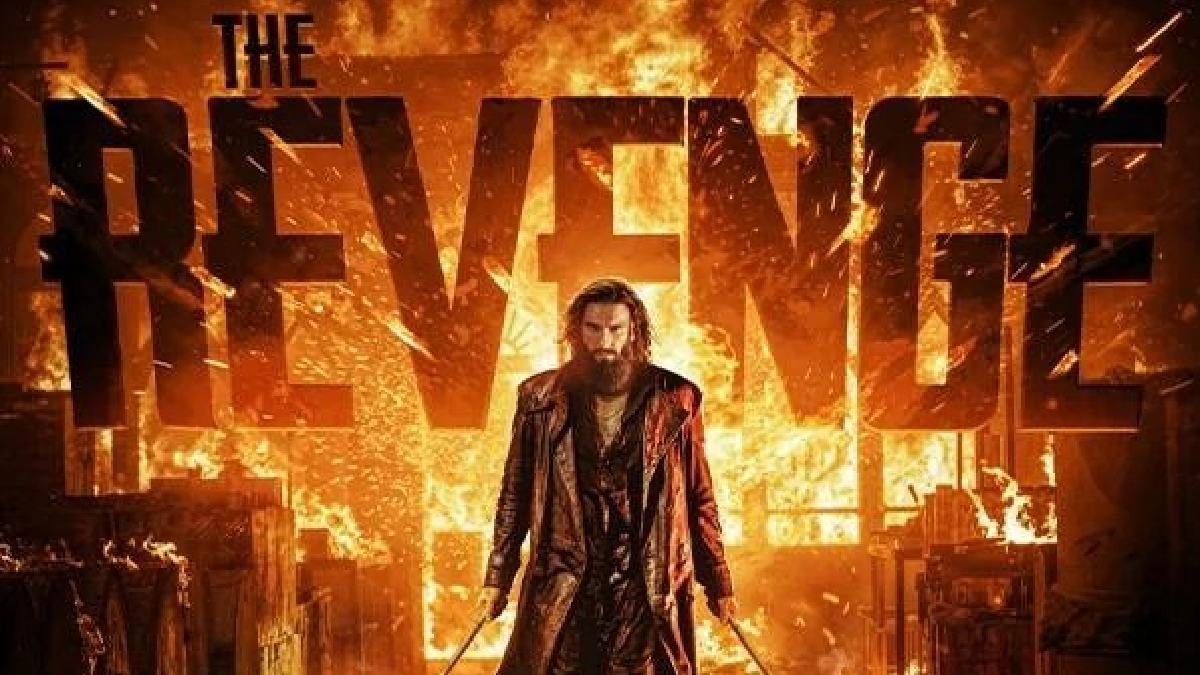
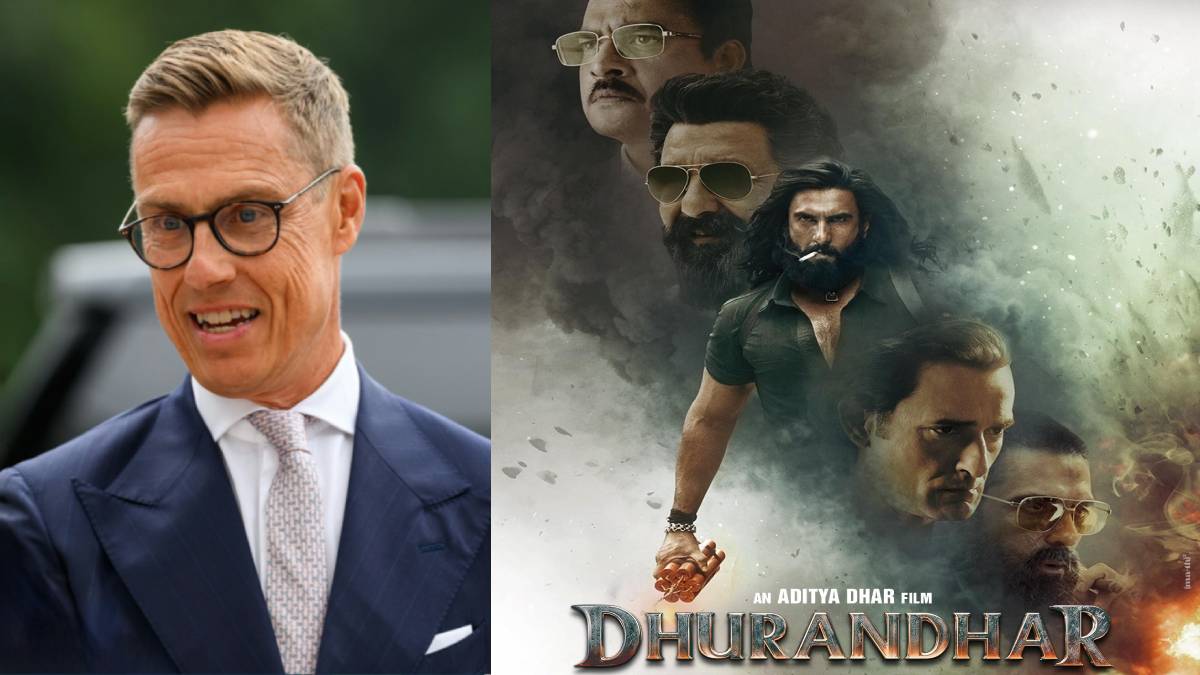
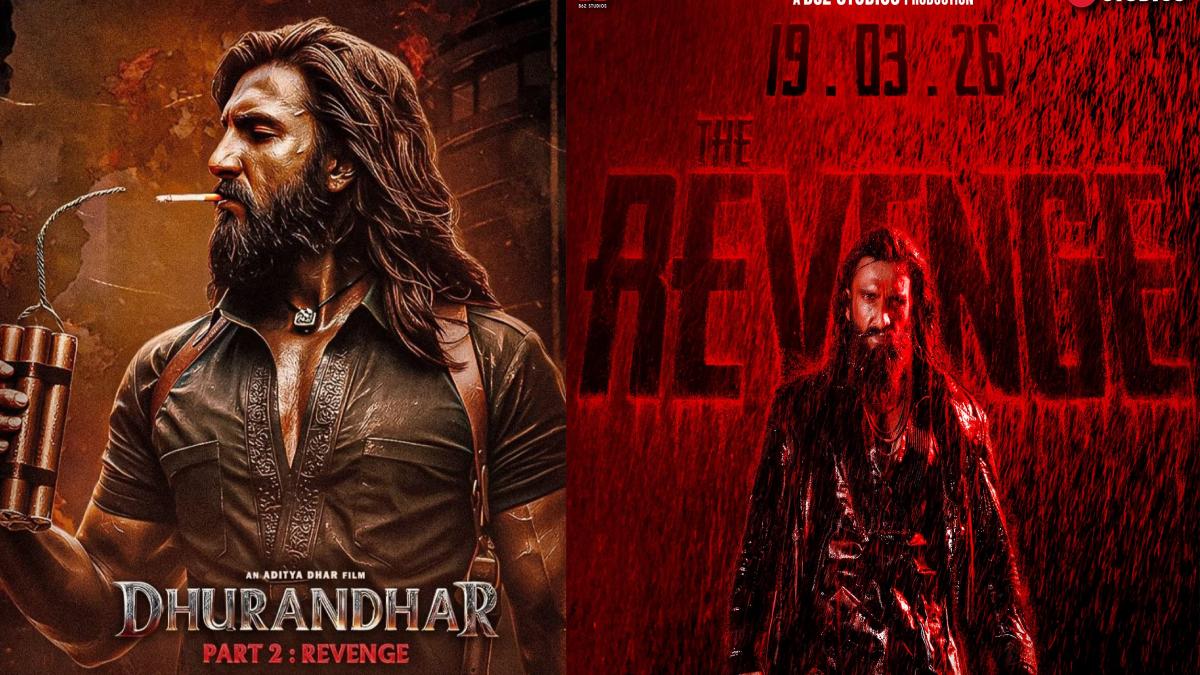
Aditya Dhar's directorial spy thriller Dhurandhar 2: The Revenge was also brought to the court after the submission of a Public Interest Litigation (PIL) in the Delhi High Court, contending that sensitive intelligence operations are unfolding through the film and threatening undercover agents.
In one such PIL lawsuit, the film has been heavily criticised for revealing sensitive details including scenes detailing secret undercover work methods, intelligence strategies, and activities, and led to a heated debate and fiery debate both online and off the internet representations of these as the petitioner has argued, could imperil national interests and national security, and that by their very nature, such representations would put the real world on notice of the vulnerability of pragmatic espionage.
Having been invited to read the motion picture’s details, the Delhi High Court had referred the allegations to the local government offices and the directors for review. Although the court has not ruled on a stay or ban on screenings/streaming, it has told concerned bodies to ensure that such content would not be contrary to elementary legal or national security principles.
Dhurandhar 2 is at a moment where the nation, in relation to films and digital, is in the progress that other nations are. The film’s lead actor, Ranveer Singh, is also a top earner, and the film announced its OTT set for India and around the world. Directed by Aditya Dhar, it chronicles elite intelligence operations, political collusion and dangerous foreign operations.
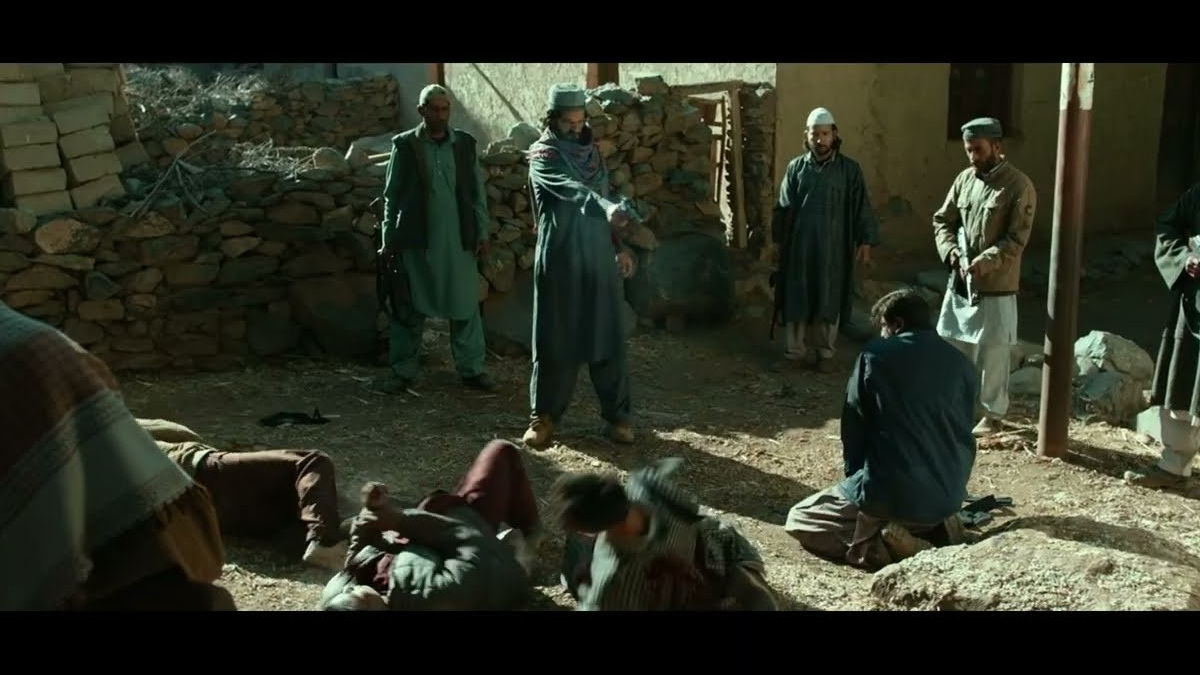
Some of the episodes told in different narratives seem to contain elaborate spy networks, secretive communication systems, surveillance systems and cross-border crossings, at which point they now come under scrutiny. It was alleged that many of the scenes resembled scenes from intelligence agency activities, which can be an enemy’s secret or a component of a strategy as described by documentary material in the published books.
It also cautioned that the type of espionage you may think about, the espionage of data collected, sent to citizens with very questionable information, must be done judiciously, so the country’s interests never catch sight of itself on the fictionalised fantasies list. On social media platforms such as Twitter, Facebook and Instagram, the petition has generated mixed responses, and it has also been employed to address other agendas.
Supporters of the film argued that spy thrillers around the world usually reflect real intelligence systems, and that films about spies shouldn’t be heavily censored. Defenders of the film described it as non-state, entertainment rather than state activity.
Others, though, argued that the fears needed to be investigated further in order to determine whether what we are sharing can actually break operating secrecy or hurt intelligence personnel. A handful of lawyers also cited a nasty spot where artistic freedom meets national security concerns.
The filmmakers and the production house, until now, have not commented in full on the accusations to the public. Industry insiders, however, said the movie passed the standard film certification board, which was the Central Board of Film Certification, which produced the pass before going into theatres.
The case sparked fresh debates about censorship, artistic expression and expectations for filmmakers when creating military or intelligence scenes. Earlier controversies have seeped into movies about defence operations, espionage missions and sensitive geopolitical events.
Despite legal headwinds, Dhurandhar 2 also remains a juggernaut, at the box office and in its streaming offerings. The film simply smashed new revenue records and stoked vast online speculation over its expanded “Raw & Undekha” version going to an international stage.
Analysts say the court’s decision could offer guidance to Indian courts as to how to balance freedom of expression versus national security in fictional entertainment. The Delhi High Court is now considering asking the authorities to consider reviewing the movie, so it will not have all of its theatrical and OTT ambitions, except by directives brought forth in the case.