
People & Life Teach Better Than Books. Today in such a fast-paced environment, knowledge is frequently equated with the amount of books someone has read and degrees earned. Yes, books are useful sources of knowledge, but experience and human interaction teach more than any textbook can ever provide. Life as such as challenge, error and meeting, which is an exploration, encounter and sharing of practical wisdom that is more profound and enduring.
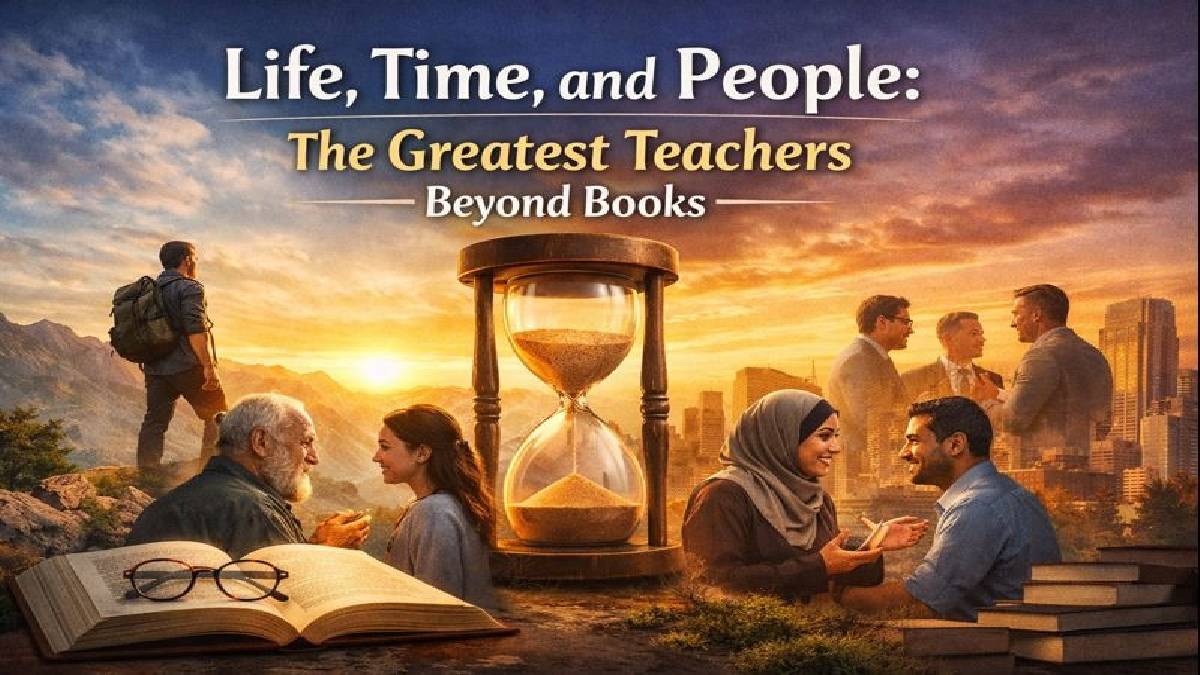
Books offer knowledge, theory, teaching, guidance, but only up until a point in time – that which is written down and acted on. You know the principles of someone’s leadership or communication theory, but you don’t translate this into practice. It is in authentic experiences whether conflicts, in teams, in one’s own life that one actually learns how to deal with emotions, deal with decisions and modify oneself.
Life’s unpredictable nature makes for valuable lessons in resiliency, empathy and problem-solving no book can ever teach. People are great, like teachers. Mentors, peers, friends, and sometimes even strangers offer insights, feedback, and examples that influence how we perceive the world. Seeing someone succeed and fail can provide insight and caution in a way that abstract principles can’t.
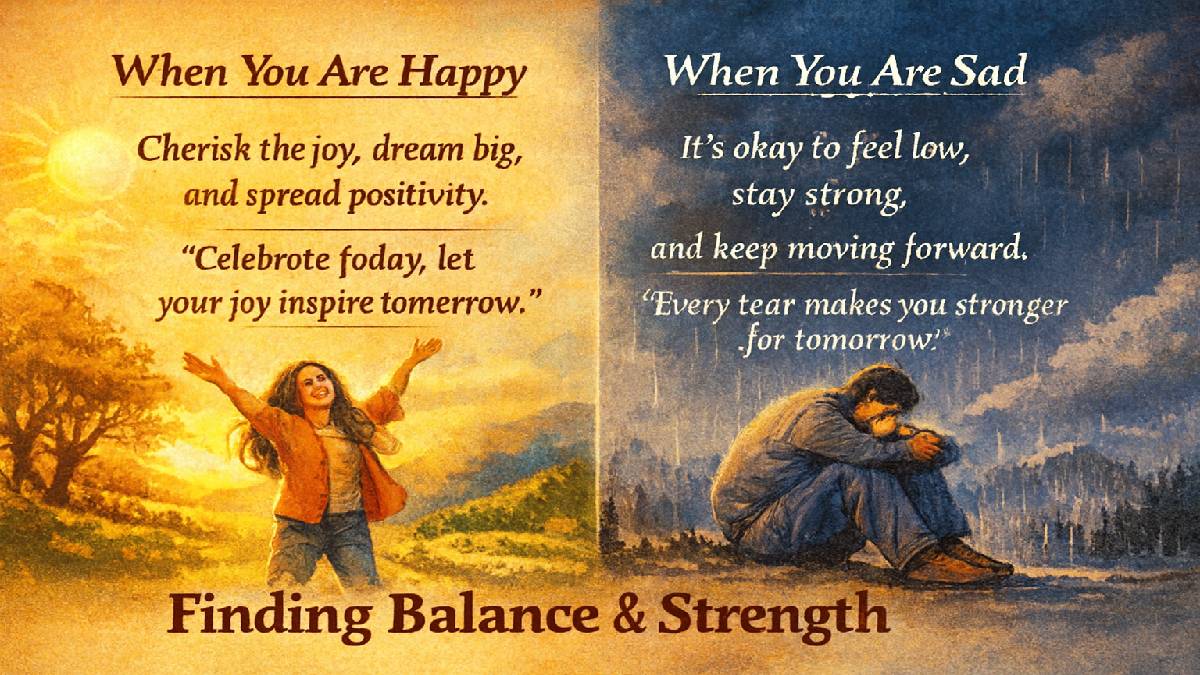
Dialogue and shared stories hone so many vital skills (negotiation, emotional intelligence, cultural sensitivity) that are in growing need of an adult in our connected world. In addition, the most important thing is that the learning of things in life makes a lasting impression.
Failures of making or seeing something happen in the world are personal and personal is often remembered, shaping future decisions. This hands-on and applicable insight enables people’s responses to be more robust or ineffectual to the unexpected, to make themselves better suited to react to and develop as people and as professionals in the future.
To speak, while of course, books are fundamental for all the knowledge; life experiences and people make for great teachers, however. They provide the context, richness, depth and operational wisdom that theory never will.
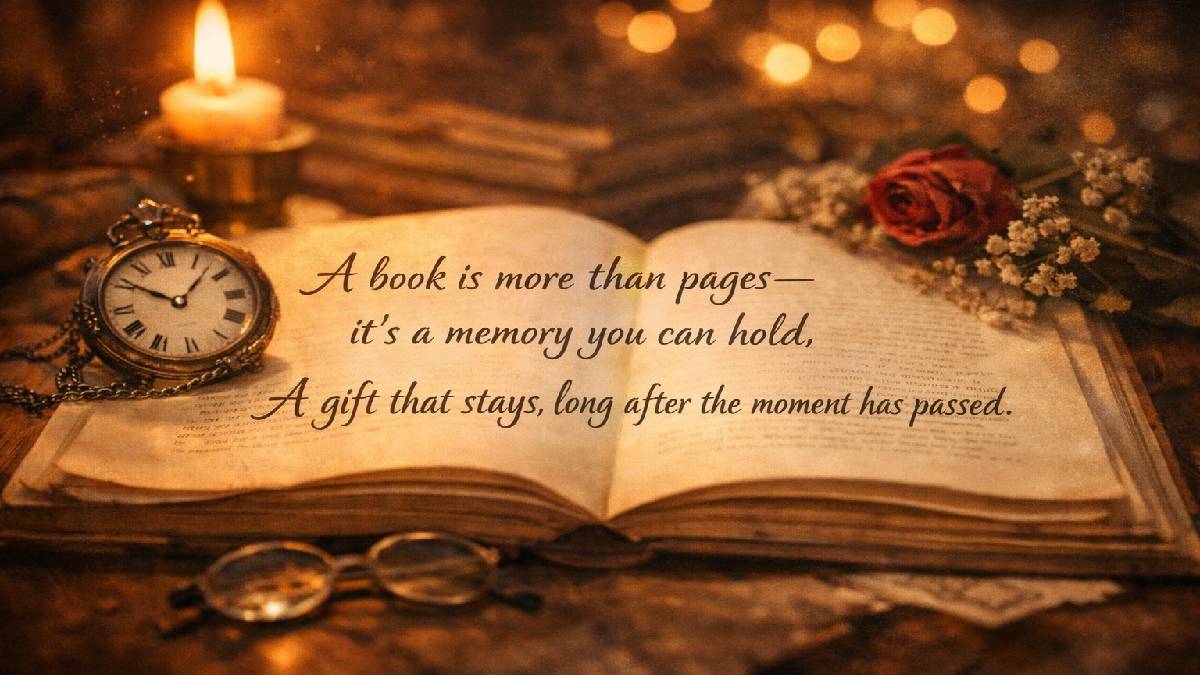
This complex complexity demands that we absorb the two forms (not necessarily in one fell swoop; instead, you have to be both and learn both: read in the book, learn by doing it, go on living it, learn from the people around you. The combination of reading with experience is what turns knowledge into wisdom.



Comments
Leave a Comment