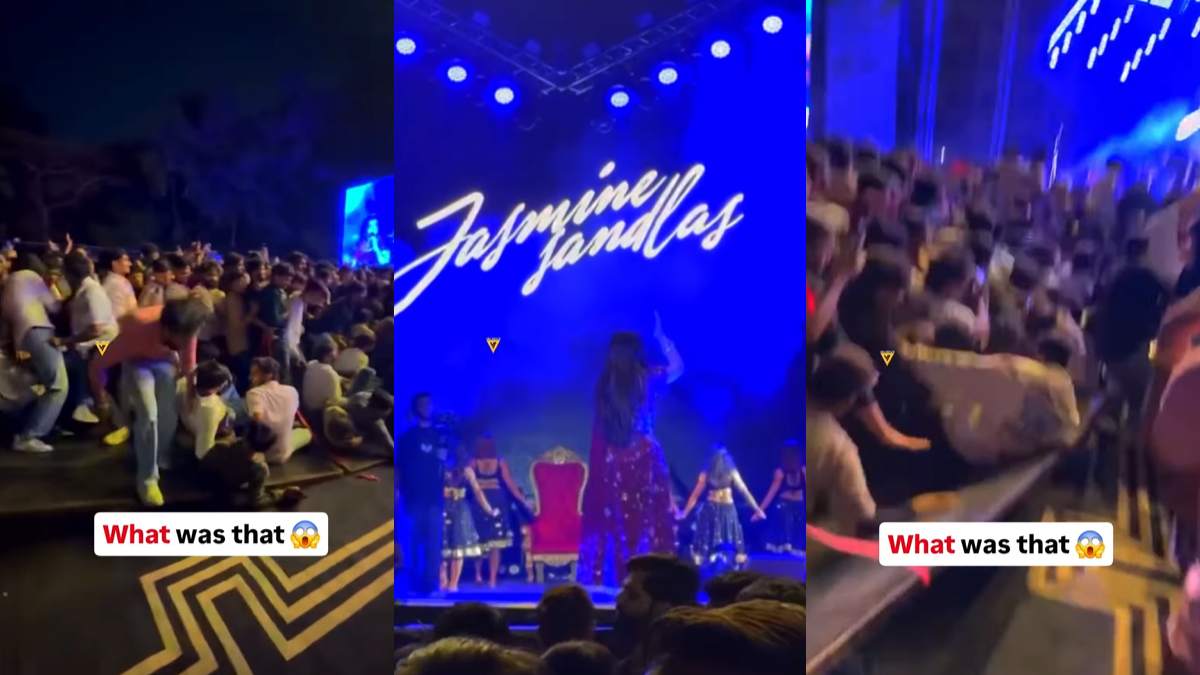
Punjabi singer Jasmine Sandlas's problems have been thrust into particularly sharp relief through online criticism after fans took to the Web to accuse her of performing in a recent video clip from live sessions of her singing.
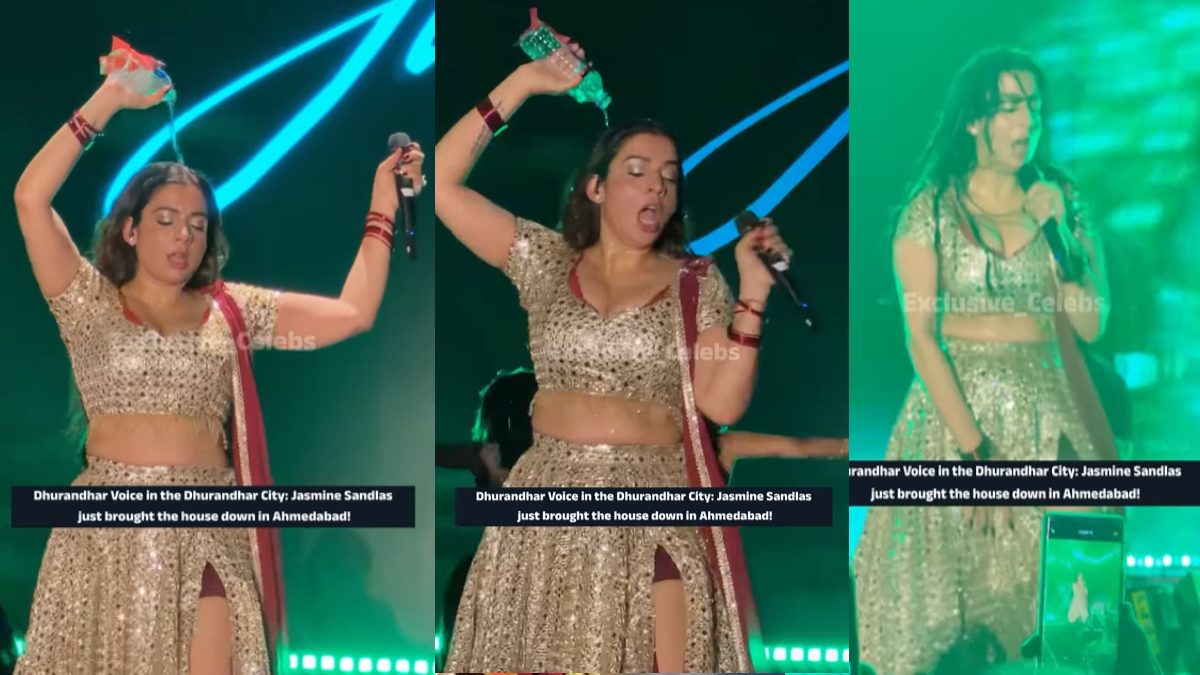
The viral video, which blew up on social media, shows the singer pouring water on herself while singing her commercial track Shararat, and elicited multiple social reactions from the fans. While many praised the act as audacious and energetic on stage, a hefty band of spectators were saying that the singer was performing a "fake performance" and lip-syncing instead of performing on stage.
Viral, the debate over the authenticity of artists during live shows quickly gained popularity. Sandlas engages the audience in the show and promotes the environment, pouring water on herself dramatically while she performs, seen in part but not just the video. This pop-culture phenomenon, along with the act, was typically described as high-octane pop concerts and seemed to be a crossroads.
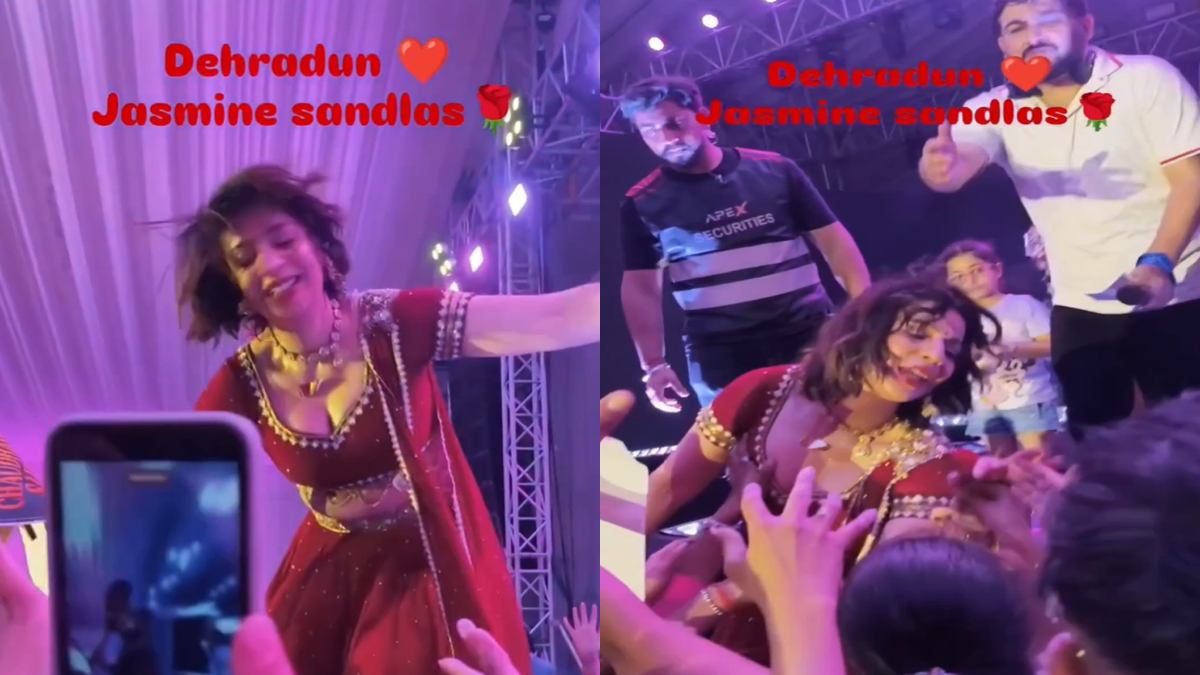
Critics said that type of theatrics should not be allowed to affect vocal performance, especially when their fans are paying for a live musical experience. Comments on social media exploded over whether the vocals had been prerecorded. And some users complained that the audio was too regular for this physically laborious endeavour, which raised the spectre of lip-syncing.
Others justified Sandlas’s account by saying that in more elaborate stage displays, many performers use backing tracks or barely lip-syncing, protecting the overall quality of the show. Not least because it’s not the first live show to get people to doubt credibility in the music business.
And as aesthetic becomes ever more of a priority in the music business, artists were leaning on choreography, props and showmanship to pull off their performances. But audiences have different expectations: one group cherishes vocal purity, while the other perceives entertainment as an essentially whole thing.
Supporters of Sandlas alleged her performance style has always been high-energy engagement relative to conventional stage restraint. Short, virally shared clips can also lead people astray about a live event, and perhaps not be a depiction of how a scene might play out on live audience members, they added. It was also a very important point that caught the audience’s attention, particularly if the song is staged by a singer and their band playing.
Sandlas hasn't quite put in a formal response to the criticism. But the incident is reigniting the conversation about what it takes for audiences to feel the excitement of live music today. Whether or not that tarnishes Sandlas’ reputation in the long run will likely depend on how she handles that criticism and what fans really need, anyway: perfect singers or a big stage presence.