
After a viral scandal took place regarding a lyric of a song from Kannada film KD (Jogi Prem), Bollywood actor Sanjay Dutt, who became the focus of media scrutiny, has recently apologised to the NCW.

The actor, through social service, said he not only regrets the statement but also planned on providing education to 50 girls from the tribal community in the public eye. It was a Hindi rendering of a song from the Kannada film "Seraga Sarse." It was called “Sarkey Chunar,” a Hindi variation of the song “Seraga Sarse.”
Sensitive to the vulgarity and indignity of women’s characterisation by the lyrics, critics were offended from various sectors of society. However, complaints have emerged, and the matter has undergone due diligence and notices were sent to the artist Sanjay Dutt as well as actress Nora Fatehi before the song was sent on to NCW. They requested answers about their role, what the track did, etc.
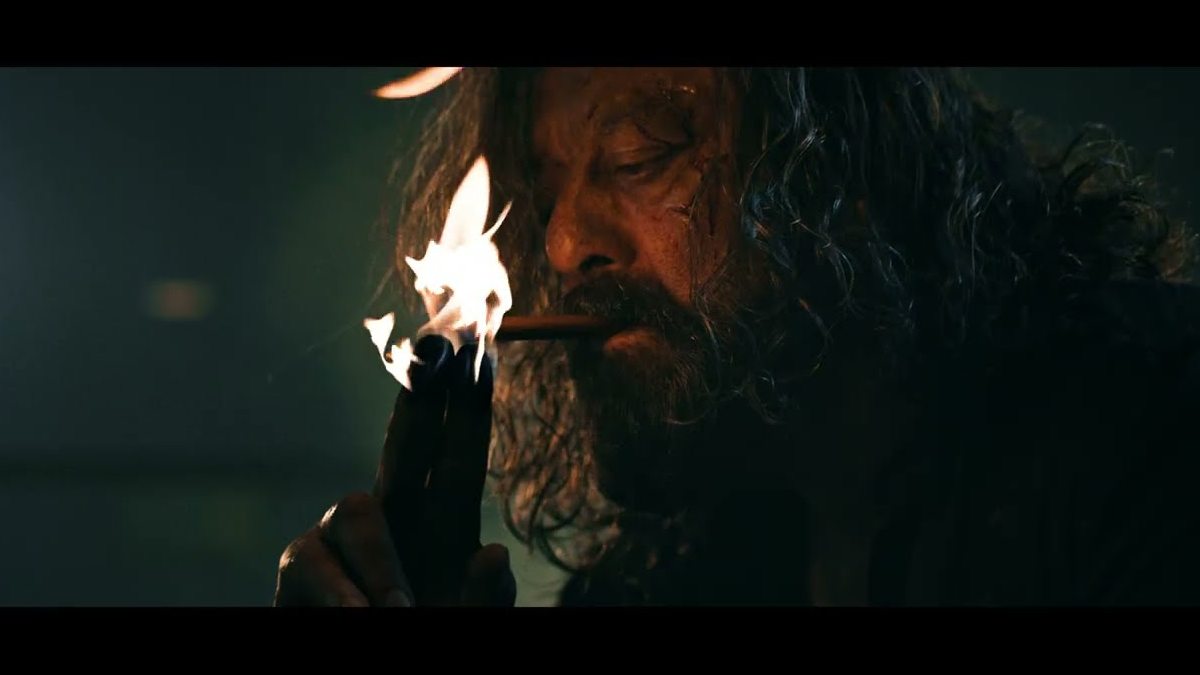

Dutt himself appeared on Monday before the commission, apologising for the incident. There was nothing to be hoped for in hitting societal sentiments and no disrespect for women, he said, but to do with the harm done was simply unfortunate. That statement conveyed an openness to honesty about what the commission appeared to seek.
The NCW Chairperson Vijaya Rahatkar, who appeared to comment last week on the representation of women in the lyrics of the song, has critical concerns. Creative freedom should be exercised responsibly and specifically in a country so dominated by cinema and social attitudes, she said.
Dutt had also apologised for his treatment of girls following criticism from others and promised to invest in 50 girls from tribal communities, with schools and scholarships to help fund them. He called this a kind of civil gesture, an act of good in a world of respect for women.

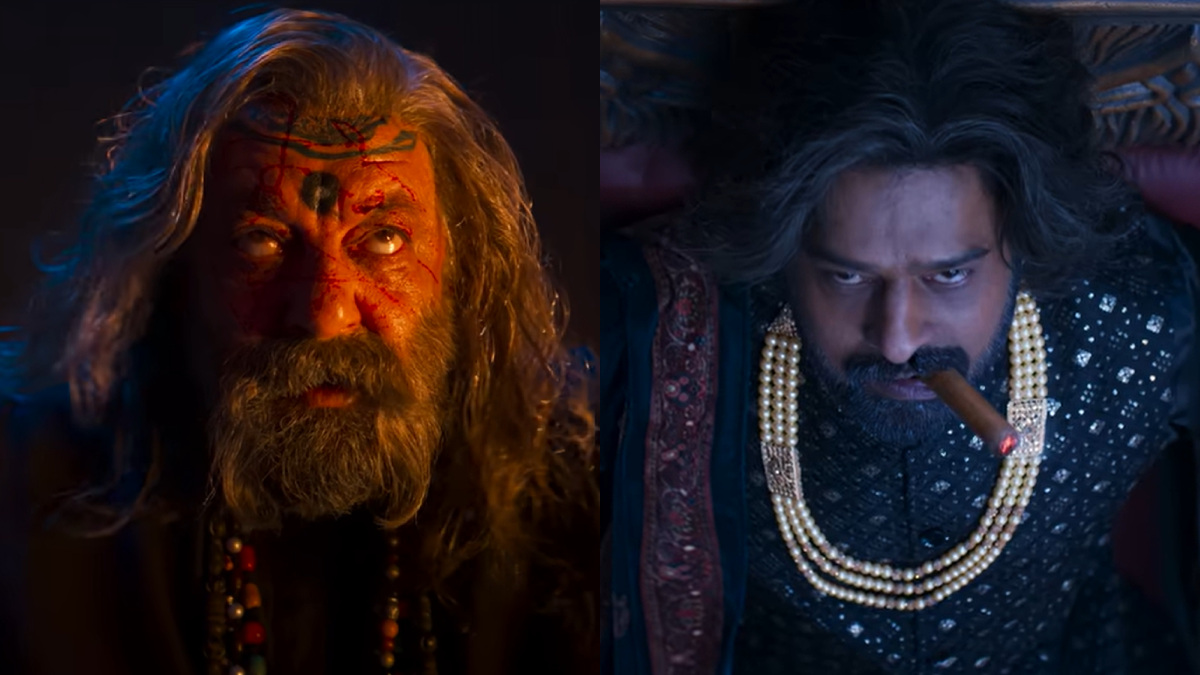
The NCW found it refreshing that it was being recognised positively and constructively. The commission believed such measures could help raise the profile and accountability of the entertainment industry. When it comes to lyrical and women's representation, the case is yet another case to understand why it is key to watch and be held responsible for one’s representation on film.
“At this moment, with dialogue about artistic freedom versus social justice, the controversy really speaks to the question, are we doing good for products that benefit society, or good for an individual?”





Comments
Leave a Comment