You can tell that music is for everyone. It crosses borders, languages and cultures. But sometimes even a concert is enough to show deeper social divides. A recent performance by singer Sunidhi Chauhan in Bengaluru elicited some unexpected responses from an audience – especially when Chauhan was singing in Kannada. A viral post by someone attending the concert talked about some North Indian audience members who reacted angrily to the Kannada songs branding them “cheap” and in the post’s opening lines, expressed relief when the Kannada songs stopped. This scene has sparked a larger discussion about language norms, regional pride, and how we treat each other in shared spaces.
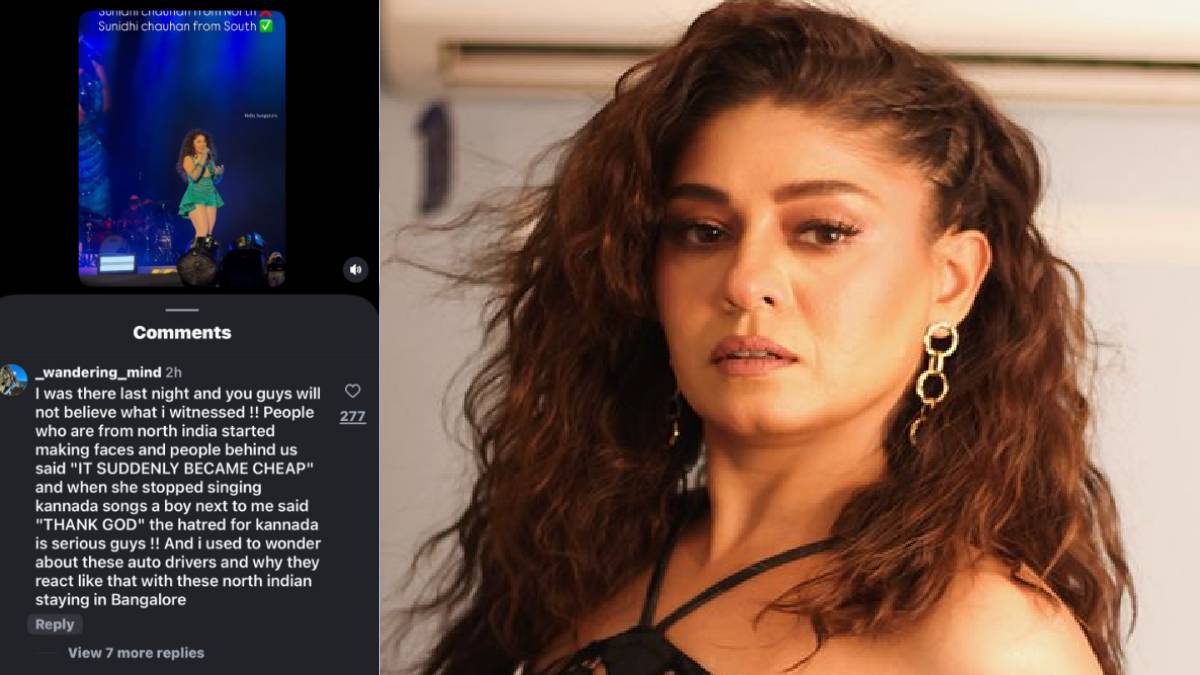
Sunidhi Chauhan, a playback singer with the highest number of fans nationally of playback singers in India, sang live at Bengaluru. She sings songs in Kannada, the language spoken extensively in Karnataka, as part of her repertoire. Although many in the audience enjoyed the performance, a troubling experience online came to light for one audience member. Their post mentions that some members of the North Indian audience were making faces and rude comments when the Kannada music started up. When the Kannada songs started, one person apparently said, “It suddenly became cheap,” and another said, “Thank God,” when the Kannada songs ended. The post also contemplated how these kinds of attitudes might explain why some auto drivers in Bengaluru are frustrated with North Indian people. The matter was more than music, it pertained to respect, identity and how language can become an area of contention.
India is a language and culture-rich country. Kannada, Hindi, Tamil, Bengali, and dozens more languages are spoken across the country. Each area enjoys its own sense of pride, traditions and ways of life. The capital of Karnataka, Bengaluru is a city attracting people from all over India to work and live there. It is a place of diversity but also where there can be cultural misunderstandings. Mockery and the dismissal of a local language sends the message that their culture doesn’t matter. It can manifest in hurt feelings and anger and division. And at public gatherings, like concerts, everyone should feel invited and treated with respect. Music in local languages isn’t “cheap”, it’s a celebration of identity.
And artists like Sunidhi Chauhan do help in bridging the cultures. Singing in Kannada, she had thanked the local audience and made it clear that every language deserves space on the stage. Her choosing was not political, it was respectful. But the reactions of some audience members hint that not everyone’s thinking of it that way. Performers need to keep embracing regional languages. It unifies and illustrates that India’s strength is in its diversity. In equal measure, audiences must learn to value other cultures, even those not theirs.
With all of this, one must remember that respect isn't a spoken word. It’s about public behavior, how we act towards others, how we respect the culture of the place we live. Living in Bengaluru means you respect Kannada and the people around you. That’s not to say you have to fluently speak it, but making fun of it is never appropriate. We are all open to more, more curious and a lot nicer. Whether in a concert hall, on a street corner or at work, language should be a bridge, not a barrier.

Sunidhi Chauhan’s concert was intended to celebrate music. But it also brought to light how deep regional tensions go. We know that there is still a lot of work on cultural respect, and the reactions to Kannada songs show it. We can develop a more engaged and sympathetic society by listening, learning, and appreciating each other’s languages. Let music be a reason to connect, not divide. And let every language be proudly heard.