
On the Kamchatka Peninsula in Russia, in January 2026, one of the most extreme snowstorms in its history struck. Renowned for its volcanoes and rugged landforms, Kamchatka is not a stranger to brutal winters: but this time, the snowfall broke records not seen in over 60 years. Buildings and roads and towns were buried beneath sheets of snow, a situation that prompted local officials to issue declarations of emergencies and embark upon a series of mass rescue and cleanup events.
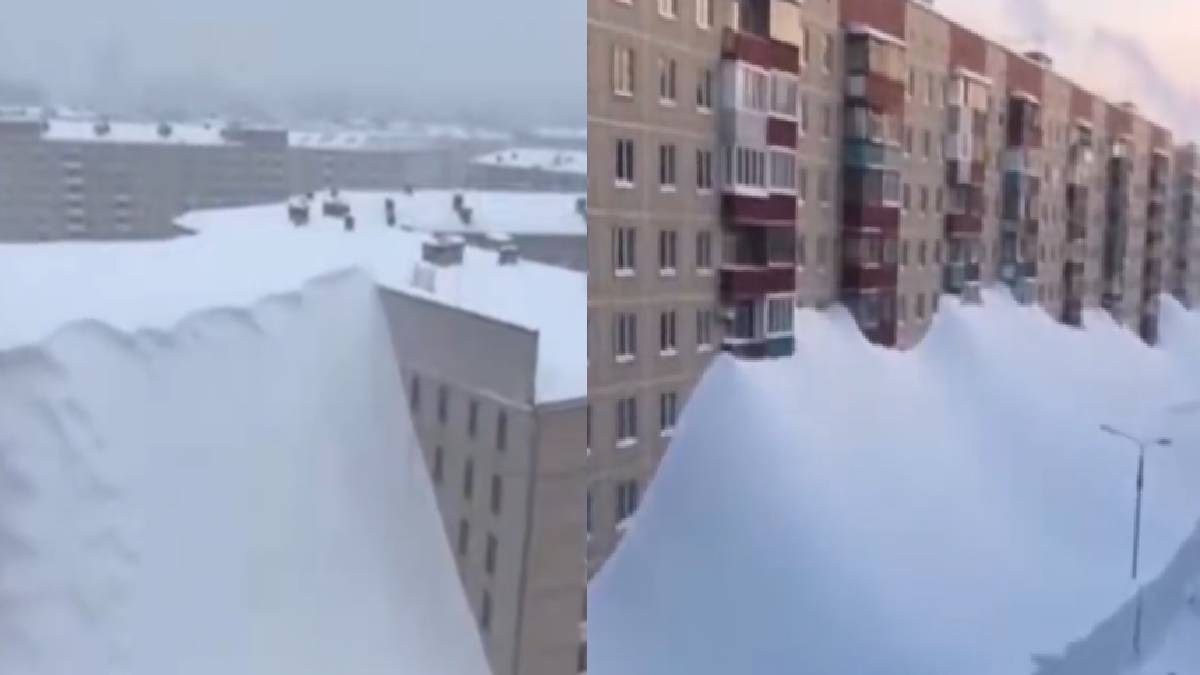
The storm began in early January, driven by powerful cyclones from the Sea of Okhotsk. In Petropavlovsk-Kamchatsky, the capital city, blinding sheets of snow fell up to 39 mm in a single day, over half the monthly average. By mid-January, snow accumulation rose to more than 2 meters, drifting to rooftops and some second-floor windows. Two residents perished amidst snow that fell from rooftops and left them trapped. The mayor proclaimed a citywide emergency and berated property managers for failing to clear snow to a minimum. The Indian Express showed videos of children sliding down towering snow piles and buildings buried up to the fourth floor to make the disaster seem so monumental.
HOLY SH*T!
Record snowfall buries buildings and towns in Russia’s Kamchatka.
I promise to never complain about 6 inches of snow in New York again. pic.twitter.com/jSndL10f3b— I Meme Therefore I Am 🇺🇸 (@ImMeme0) January 18, 2026ALSO READ

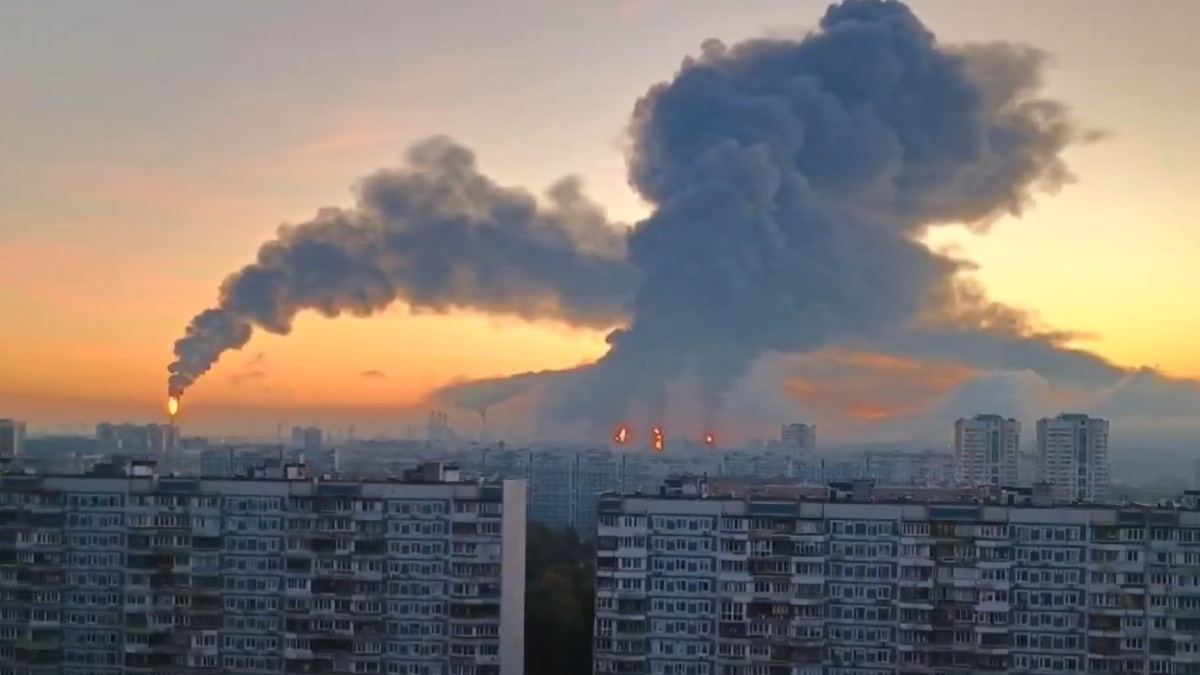
According to Kamchatka’s Hydrometeorology Department, the snowfall is the most severe in more than 60 years. The area also recorded 370 mm in December 2025, or 316% of the mean for the month. Another 163.6 mm dropped in the first few days of January. Such circumstances have significantly heightened the risk of avalanches, prompting officials to track and plan ahead.
Though the storm is fierce, conditions are starting to stabilize. Temperatures are brutally cold, with lows of -24°C and highs of -16°C. Visibility is limited and humidity high, keeping the snow compact and perilous.

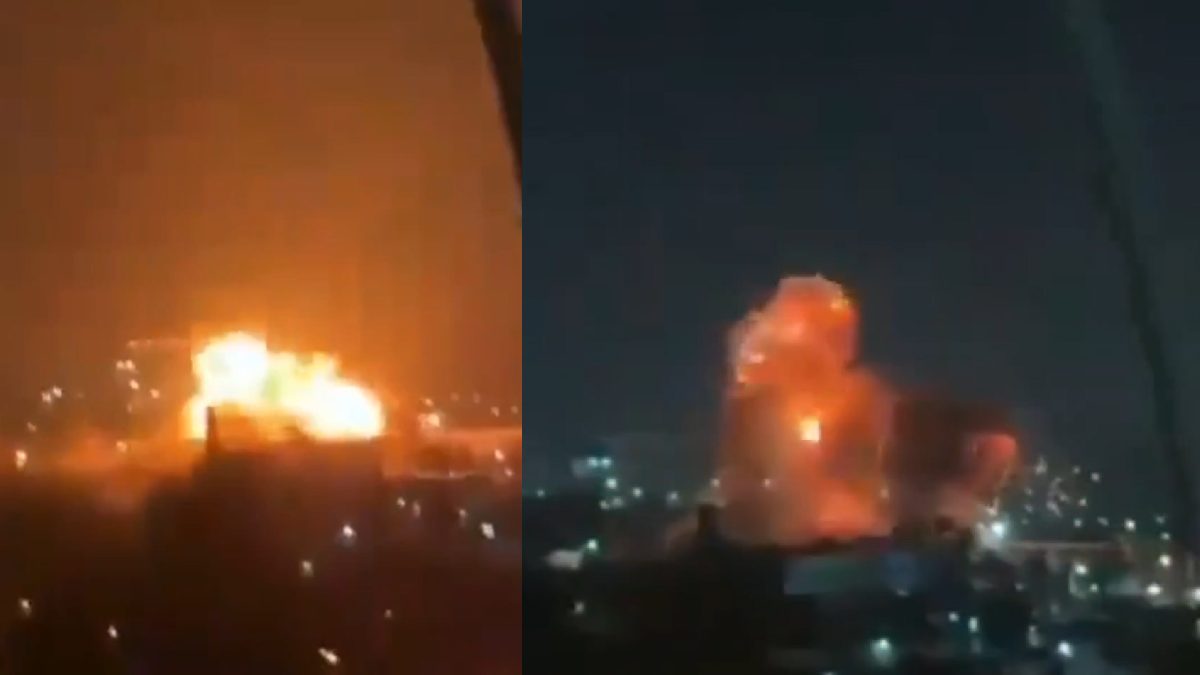
The snow has disrupted transportation, clogged roads and caused supply shortages. Emergency rescue crews are cleaning snow and re-establishing services around the clock. Schools and businesses have been closed. Residents are being told to stay inside unless really they have to do so. Also warning about the danger of avalanche in mountains: Local authorities. Rescue crews are preparing for possible evacuations, and they have been in touch with national agencies.
Experts are connecting this extreme weather to wider climate change trends. Higher ocean temperatures and changing wind currents could be driving stronger cyclones and heavier precipitation. Kamchatka’s storm is just another example of how even cold areas are not immune to the effects of global warming.
A recent winter storm is more common here, but the region can test everything with its limits. The lost life, buried infrastructure and emergency response work are testament to how dire its prospects are. As cleanup continues, the emphasis will shift to longer-term solutions, new predictive models, more resilient infrastructure and climate resilience.
For now Kamchatka remains buried under white, but the inhabitants of the city are digging out with strength and determination.








Comments