
India Meteorological Department (IMD) issued a yellow alert for heatwave conditions in isolated parts of Mumbai, Raigad, Ratnagiri and Sindhudurg districts today, warning people to be alert for high temperatures and uncomfortable weather conditions. In particular, the city's coastal Maharashtra is under severe heatwave conditions following the onset of post-monsoon, with temperatures also rising substantially in areas of the state, especially during the hottest hours of the day.
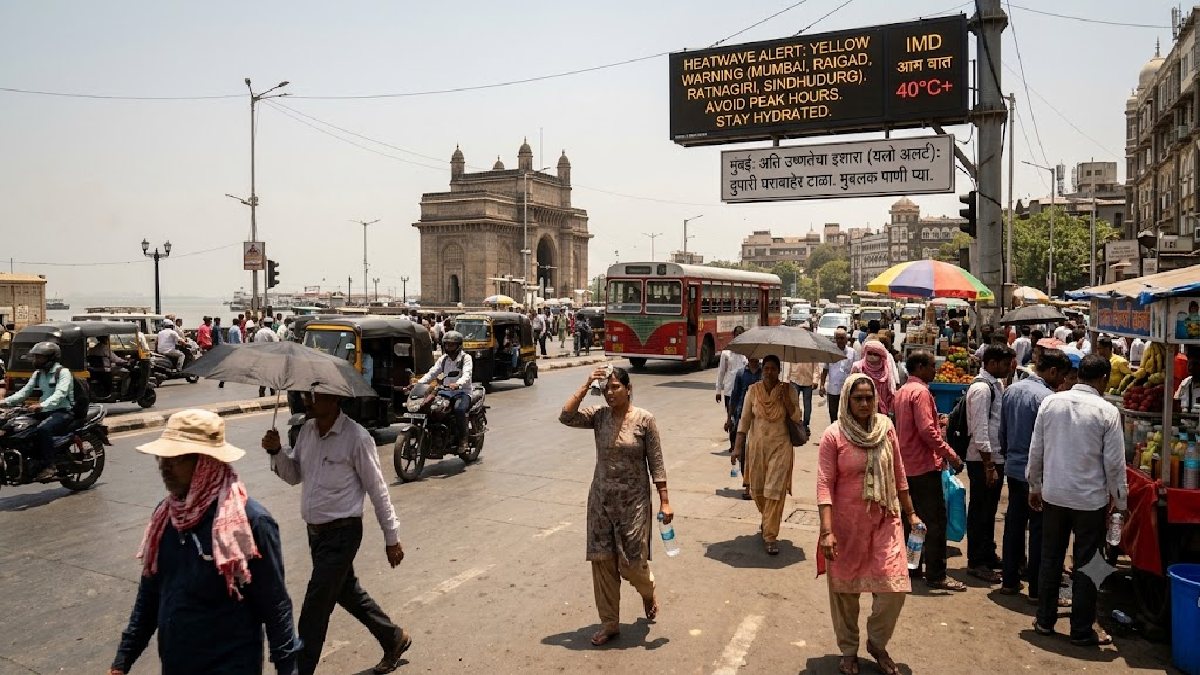
The weather department has warned that people should be on high alert and not be exposed to high temperatures (especially in the hottest hours of the day) and must be prepared to take precautions. In the Thane district, we will also face hot and humid conditions in some areas.
In the afternoon weather update by Mid-Day, the IMD advised that heatwave conditions might persist in isolated pockets in the four districts. Mumbai and the surrounding areas have had an unusually hot week since then, with no rain to make it worse.
Residents need to monitor weather alerts and prepare for potentially hot outdoor conditions, the yellow alert indicates. Not every locality will experience the same temperature, but the people in the affected areas should be aware of the risk of hot weather, especially in the afternoon.
Mumbai Records High Temperatures
Temperature readings from Mumbai's weather observatories indicate just how severe the current spell is. The maximum temperature at the Colaba observatory in South Mumbai on Wednesday was 36.5 degrees Celsius, while the Santacruz observatory recorded 38.2 degrees Celsius, according to an early morning report.
Such readings are indicative of a wide range of temperatures in different parts of the city, with the suburbs particularly hot. The IMD's forecast was for mostly clear skies and a maximum temperature of around 37 degrees Celsius and a minimum of 25 degrees Celsius. Such conditions can make travel, outdoor work and routine daytime activities unpleasant, especially for people who spend long periods in direct sunlight.
Hot and Humid Conditions in Thane
The heatwave warning is valid for Mumbai, Raigad, Ratnagiri and Sindhudurg, but the IMD has predicted hot and humid weather in small parts of Thane district despite the heatwave warning. The high humidity can make hot conditions feel more oppressive because it reduces the body's ability to cool itself efficiently through sweating. It must be a painful situation for commuters, construction workers, street vendors, delivery workers and others who work outside.
Residents in coastal areas may also experience high temperatures and humidity, so it’s important to take frequent breaks, drink water and not exert themselves during the hottest part of the day. Travellers between Mumbai and other parts of Maharashtra should refer to the latest forecast before heading out.
Health Precautions During the Heatwave
Residents are advised to drink water regularly even when they don’t feel thirsty and to reduce strenuous outdoor activities during the hottest hours of the day. Lightweight, loose-fitting and light-colored clothing can help improve comfort, while carrying an umbrella or wearing a hat can provide some protection from direct sunlight.
People who must work outdoors should take frequent breaks in shaded or cool places. Older adults, young children and individuals with existing health concerns may require additional care during periods of intense heat. If you feel dizzy, weak, or experience headache, nausea or confusion after exposure to heat, you should go to a cool place and seek medical treatment immediately. Confusion, fainting or altered consciousness can be signs of a medical emergency.
Dry Weather and Air Quality Concerns
The heat is persisting following the departure of the southwest monsoon from Mumbai. Dry weather and mostly clear skies have contributed to the high daytime temperatures. In addition to the heat, Mumbai had an Air Quality Index (AQI) of 101 on Wednesday morning, which is in the moderate category according to the Central Pollution Control Board's SAMEER app.
Deonar had an AQI of 165, Bandra-Kurla Complex had 125, and Colaba recorded 129. The air quality varied across the city, with some places having lower readings. People sensitive to air pollution may need to take additional care when spending extended periods outdoors.
The yellow alert from the IMD is a call to Mumbai residents and the affected regions of Maharashtra to remain updated on the weather and the situation. It does not mean that heat will affect every neighbourhood equally; it just means we need to be cautious.
Residents should follow the latest district-wise forecasts and the IMD official advisories if temperatures remain high in the coming days. With high temperatures and humidity creating difficult conditions for many people, hydration, reduced exposure to direct sunlight and attention to symptoms of heat-related illness remain essential until the weather improves.


Comments
Leave a Comment