
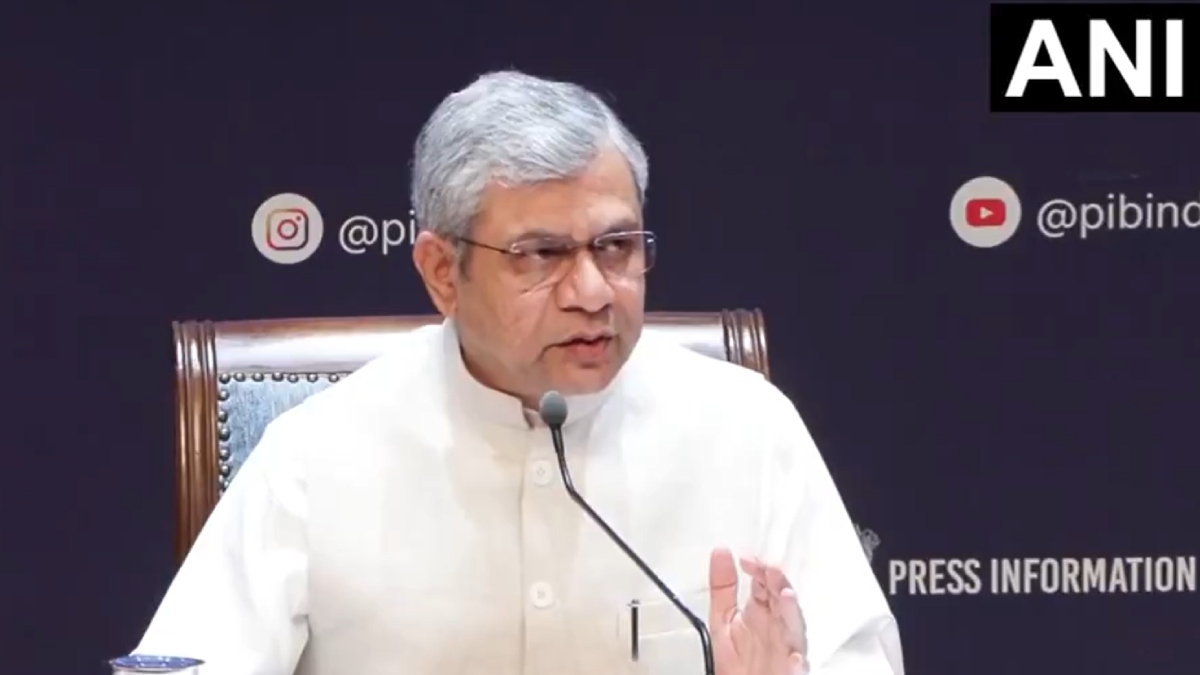
The Union Cabinet has approved strengthening and extension of 850 Fast Track Special Courts (FTSCs) across India for speedy trial in rape and child abuse cases. Union Minister Ashwini Vaishnaw announced this during a post-Cabinet media briefing in New Delhi.
The decision builds on the government’s efforts to improve access to justice for women and children through dedicated judicial mechanisms. Specialised courts are intended to reduce delays in sensitive criminal cases and ensure survivors receive timely legal support.
Ashwini Vaishnaw Announces Cabinet Decision
Ashwini Vaishnaw said at the media briefing that government was committed to protect women and children. “Cabinet has approved strengthening and extension of 850 fast track courts which deal specifically with rape and child abuse cases,” he said.

The minister also said that existing laws should be implemented properly and new legislation should be brought in whenever required to meet emerging challenges.
The announcement is part of the government’s wider efforts to strengthen the justice delivery system and ensure that serious crimes against vulnerable sections of society are given due attention.
What Are Fast Track Special Courts?
Fast Track Special Courts are special courts created for specific categories of serious criminal cases. In India the centrally sponsored FTSC scheme was launched in October 2019 to fast track disposal of pending rape cases and offences under Protection of Children from Sexual Offences (POCSO) Act, 2012.
The initiative came in response to rising demands for faster trials of crimes relating to sexual violence against women and children; provisions were also introduced through Criminal Law (Amendment) Act, 2018.
The courts are focused on a specialised area which means judges can focus on cases that need sensitive treatment and speedy proceedings.
Why the Approval of 850 Courts Matters
The Cabinet’s approval to strengthen and extend 850 courts is important because delays in sexual violence cases add more burdens for survivors and their families.
Dedicated courts can help with case management, trial delays and victims not waiting too long for judicial decisions.
The initiative also seeks to coordinate investigating agencies, prosecutors and the judiciary better. Better infrastructure, judicial appointments and administrative support will all be needed to achieve these goals.
But how effective the initiative will be depends on how well the courts work and how quickly pending cases are processed.
#WATCH | Delhi: Union Minister Ashwini Vaishnaw says, "The Cabinet has approved the strengthening and extension of 850 fast-track courts, specifically to address cases of child abuse and rape. It is our government’s firm commitment that whenever such vulnerabilities or issues arise in society—whether they involve atrocities against women or threats to the well-being of the next generation—we will take decisive action. This includes fully leveraging existing laws, enacting new legislation where necessary, and ensuring more effective implementation. As part of this ongoing effort to deliver swifter justice, the Cabinet has sanctioned the extension and strengthening of these 850 fast-track courts."
— ANI (@ANI) November 4, 2026
Role of the POCSO Act in Protecting Children
The Protection of Children from Sexual Offences Act, 2012 establishes a legal framework to protect children against sexual assault, sexual harassment and exploitation.
The law provides for child friendly procedures during investigation and trial. Special courts under the FTSC scheme deal with cases registered under the Act so that attention is paid to needs and protection of young survivors more specifically.
Strengthening these courts could help further implement the POCSO Act and increase access to justice for affected children.
What Happens Next?
The Centre, State governments and High Courts will play important roles in implementing Cabinet’s decision. Infrastructure, staffing, funding and monitoring will decide whether the strengthened court network can deliver faster results.
Approval is another step in improving India’s judicial response to crimes against women and children. Expansion of specialised courts is welcome but timely investigation, effective prosecution and survivor support are equally important too.
With the extension and strengthening of 850 Fast Track Special Courts, the government is trying to reinforce justice system and improve delivery of justice in some of the country’s most sensitive criminal cases.





Comments