
Delhi’s air pollution problem has once again reignited fears about long term health risks after RTI data showed more than 6,500 lung cancer cases in three major government hospitals in the capital over six and a half years; 913 deaths in four hospitals during that period.
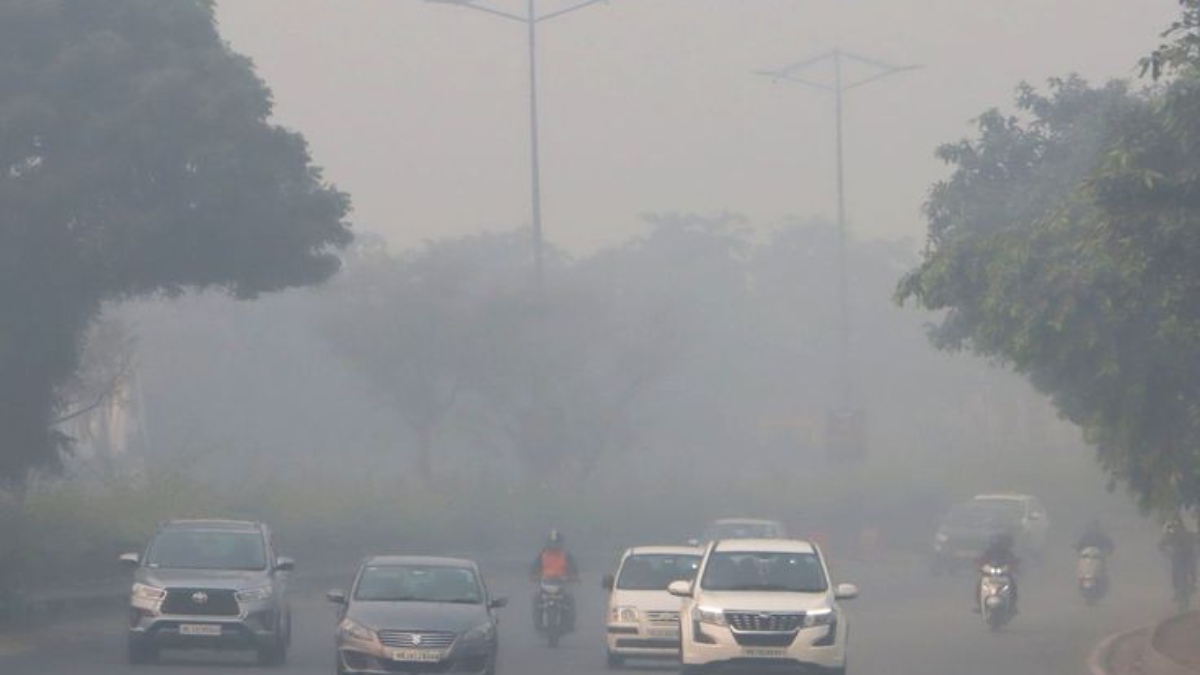
The figures from January 1, 2020 to July 31, 2026 show how many lung cancers there are in the big public hospitals. They have also raised questions about whether long-term exposure to polluted air can play a part.
However, the hospital data does not show that air pollution caused these individual cases or deaths. Smoking, tobacco exposure, genetic factors and other environmental influences can also increase lung cancer risk.
What Does The RTI Data Reveal?
The RTI applications submitted to AIIMS, RML Hospital, Safdarjung Hospital and Delhi State Cancer Institute (DSCI) give us a picture of lung cancer cases and deaths at these institutions.
According to the figures:
- AIIMS: 4,860 lung cancer cases and 158 deaths Jan 2020 – March 2026.
- Delhi State Cancer Institute: 1,613 cases and 354 deaths from January 2020 to July 2026.
- RML Hospital: 108 cases (47 women) and eight deaths.
- Safdarjung Hospital: Reported 393 lung cancer deaths but didn’t give its total number of cases.
The three hospitals that released case figures reported a total of 6,581 cases (about 83 per month) and across all four hospitals 913 deaths (roughly one death every three days).
These are hospital records, not the total number of lung cancer cases among Delhi residents. Some hospitals treat patients from neighbouring states and other areas as well.
Are Women And Children Also Being Diagnosed?
The data show that lung cancer is not just for people who smoke.
The Delhi State Cancer Institute said 351 women were diagnosed with lung cancer during the period for which records are available. Two cases of children were reported in 2021.
RML Hospital had 47 women among its reported 108 lung cancer patients.
Doctors have said lung cancer can develop in people who never smoked. Genetic mutations and environmental exposures may play a role in the disease.
However, the hospitals did not give separate figures for patients who had never smoked; RTI applications specifically asked for such information.
Can Air Pollution Increase Lung Cancer Risk?
Long-term exposure to outdoor air pollution is a risk factor for lung cancer.
The International Agency for Research on Cancer (IARC), part of the World Health Organization (WHO) classifies outdoor air pollution and particulate matter as carcinogenic to humans.
One concern is PM2.5 fine particulate matter (PM) 2.5 micrometres or less in diameter. Particles that small can travel deep into the respiratory system and reach the lungs.
Over time, exposure can cause biological changes and cellular damage that lead to cancer.
Delhi faces particularly tough air pollution conditions in winter when weather patterns and other environmental factors can cause pollutants to accumulate near the ground.
Nevertheless, RTI figures don’t tell us how many of the reported cancer cases were caused by pollution. That relationship has to be established by looking at individual exposure, smoking history, medical background and other risk factors.
Smoking Is Not The Only Risk Factor
Tobacco smoking is still one of the major causes of lung cancer. Exposure to second hand smoke can also increase risk.
However people who have never smoked can develop the disease as well.
Other factors that increase lung cancer risk are:
- Long-term exposure to outdoor air pollution.
- Exposure to certain workplace chemicals and hazardous substances.
- Radon exposure.
- Family history and inherited genetic factors.
- Previous radiation exposure involving the chest.
Each factor contributes differently to an individual. A person’s lung cancer diagnosis cannot be attributed to one particular exposure without medical and scientific assessment.
What Are The Warning Signs Of Lung Cancer?
Lung cancer does not usually cause symptoms in the early stages. This can make diagnosis more difficult and may mean some patients don’t go to the doctor until the disease is advanced.
Doctors see several symptoms that require medical attention:
Doctors see several symptoms that need to be evaluated by a doctor:
- A persistent cough that does not improve.
- Coughing up blood.
- Shortness of breath.
- Persistent chest pain.
- Changes in the voice or hoarseness.
- Unexplained weight loss.
- Repeated chest infections.
These symptoms don’t necessarily mean lung cancer they can also happen with other medical conditions too but persistent or worsening symptoms should not be ignored.
How Can People Reduce Their Risk?
Not every case of lung cancer can be prevented but exposure to known risk factors can reduce the chances that a person will get the disease.
Some important measures include:
Avoid tobacco: Not smoking and avoiding second-hand smoke are among the most important steps for reducing lung cancer risk.
Reduce pollution exposure: Check local air quality levels and limit prolonged outdoor activity when pollution is high. Properly fitted particulate-filtering masks can be worn outdoors if necessary.
Follow workplace safety measures: People working with dust, chemicals or other hazardous substances should follow protective measures recommended for their work (protective clothing, gloves etc.) and occupational safety guidelines.
Keep regular health check-ups: people with high risk factors should discuss with their doctors what medical evaluation is appropriate for them. Low dose CT screening is recommended for some high risk individuals but not as a routine test for everyone.
Watch for persistent symptoms: Early medical evaluation can help determine what is causing respiratory symptoms and whether further testing is needed.
What Do The Numbers Mean For Delhi?
The RTI findings are an important snapshot of lung cancer cases and deaths in four major public hospitals. They show that awareness needs to be raised, early diagnosis needs to be encouraged and attention to air quality must continue.
But at the same time, the figures have to be taken with a pinch of salt. They don’t represent every lung cancer patient in Delhi; they cannot prove that pollution caused the deaths reported; they can’t prove anything.
The broader scientific evidence already says long-term exposure to outdoor air pollution is a lung cancer risk factor. Pollution reduction, tobacco exposure reduction and early diagnosis access are still important public health priorities.



Comments