
The MCD has implemented a graded penalty structure in its new Solid Waste Management Bye-Laws, 2026. Fines ranging from ₹500 to ₹1.5 lakh have been prescribed for different waste management violations.
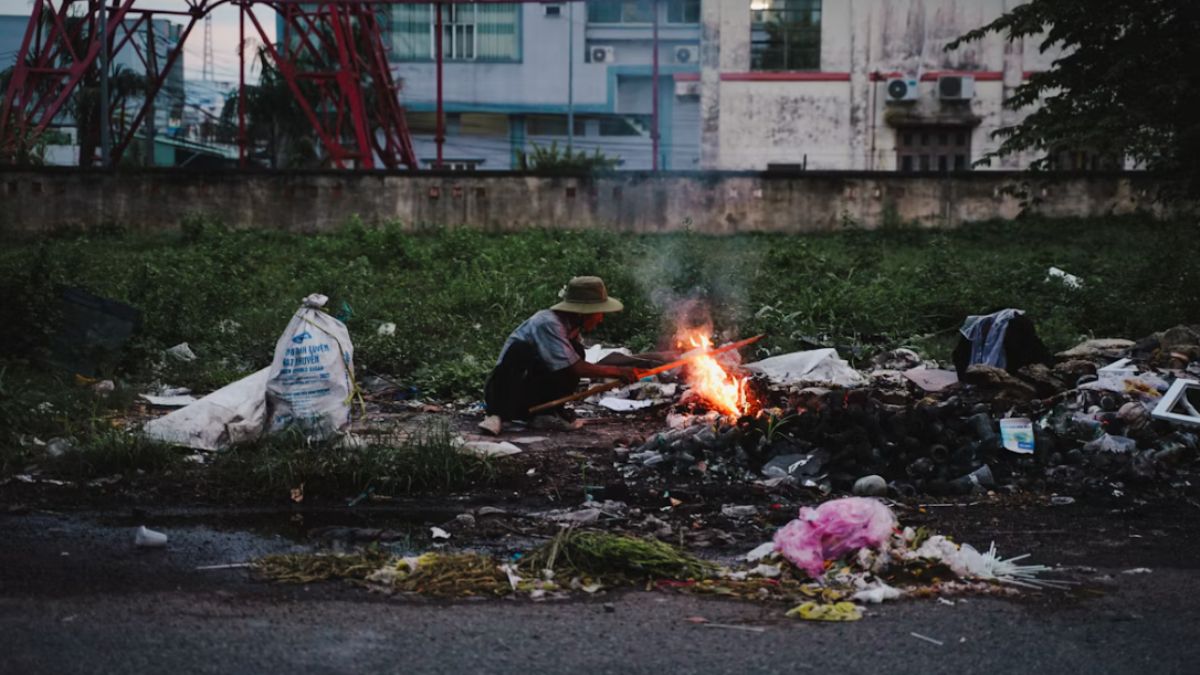
Burning garbage in the open may be punishable by ₹10,000 penalty under the proposed rules while littering could lead to a ₹1,000 fine. Higher penalties have been provided for hotels restaurants industrial units manufacturers bulk waste generators who do not meet their waste management responsibilities.
The MCD Standing Committee approved the bye-laws at a meeting held on November 19, 2026. The proposals seek to improve waste segregation, collection, transportation and disposal in the national capital.
₹10,000 Fine for Burning Garbage in the Open
One of the major provisions is ₹10,000 penalty for open burning of solid waste. This measure targets a practice that leads to air pollution and health risks for residents.
Other penalties for individual and household level violations are:
- ₹500: Residential premises failing to segregate, store and hand over household waste properly.
- ₹1,000: Littering in public places.
- ₹500: Street vendors not managing waste generated by their activities.
- Rs.2,000: Owners or occupiers not keeping premises clean around them.
- ₹5,000: Drivers or owners of goods vehicles found littering.
- ₹2,000: Residential properties not properly handling construction and demolition waste.
- ₹10,000: Non-residential properties not handling construction and demolition waste properly.
The rules also set separate penalties for improper management of sanitary waste, special-care waste and horticultural waste.
Higher Penalties for Hotels, Restaurants and Commercial Establishments
The bye-laws make commercial establishments and institutions more financially responsible.
The proposed penalties include:
- ₹75,000: Hotels not managing waste as prescribed.
- ₹30,000: Restaurants violating waste management requirements.
- Rs. 15,000: RWAs and gated communities not complying with the rules.
- ₹30,000: Market associations and institutions violating the prescribed requirements.
- 15,000: Marriage halls, party lawns and exhibition venues less than 5,000 square metres segregate waste but do not manage it properly.
- ₹7500: Clubs, cinema halls, pubs, community halls and multiplexes in the same area category for similar violations.
The penalties specified for RWAs, gated communities, market associations and institutions will only be imposed once a month.
Manufacturers Could Face Fines of Up to ₹1.5 Lakh
Manufacturers and brand owners are also covered under the new regulations.
Companies that sell disposable products without setting up a system to collect back packaging waste may be fined ₹1.5 lakh and if they do not take other prescribed measures for waste management then fine of ₹75,000 may be imposed on them.
Industrial units which do not meet conventional fuel requirements by refuse derived fuel may also be liable to a penalty of ₹1.5 lakh.
Meanwhile bulk waste generators who fail to register or fulfil their obligations under the bye-laws may be fined ₹50,000.
These provisions are intended to make businesses and large waste generators more accountable for the waste they generate through their activities.
MCD Introduces Monthly Waste Collection Charges
Apart from penalties, the new bye-laws also provide for monthly user charges for waste collection and management services.
These charges will be levied on residential households, shops, offices, educational institutions, healthcare establishments, hotels and restaurants.
The amount will depend on the size of premises and category of establishment. The revenue is to be used for garbage collection, transportation, processing and disposal services.
A late payment surcharge of 10% will be charged if dues are not paid within 30 days from the date demand is made.
The MCD has also proposed concessions for advance payments. The structure reported states that annual payments will be equivalent to 10 months’ charges; six-month advance payments will be equivalent to five-and-a-half months’ charges.
Penalties to Increase by 5% Every Year
The proposed bye-laws provide for a 5% annual increase in penalties and user charges from January 1.
Repeated violations may result in penalties for each subsequent default (daily or monthly depending on the nature of the offence).
Environmental compensation may also be imposed by the Delhi Pollution Control Committee under applicable Central Pollution Control Board guidelines.
This means that repeated non-compliance would place individuals and establishments under a much higher financial burden.
What the New Rules Mean for Delhi Residents
The new waste management framework is intended to encourage households, businesses and institutions to take greater responsibility for the waste they produce.
For residents the main requirements are segregation of household waste, handing it over through the collection system prescribed and littering or open burning.
Commercial facilities will have to pay closer attention to waste segregation, storage and disposal. Manufacturers and large generators of waste will also be held accountable.
However, these rules will only be implemented if monitoring is done effectively, waste collection is regular and disposal facilities are available.


Comments