
The new Delhi government is going to place restrictions on vehicles registered outside the capital that do not comply with BS-VI emission standards from 1 November 2026 to 31 January 2027, according to this data. The proposed policy would cover the winter pollution season, during which pollution in Delhi is a major public concern.
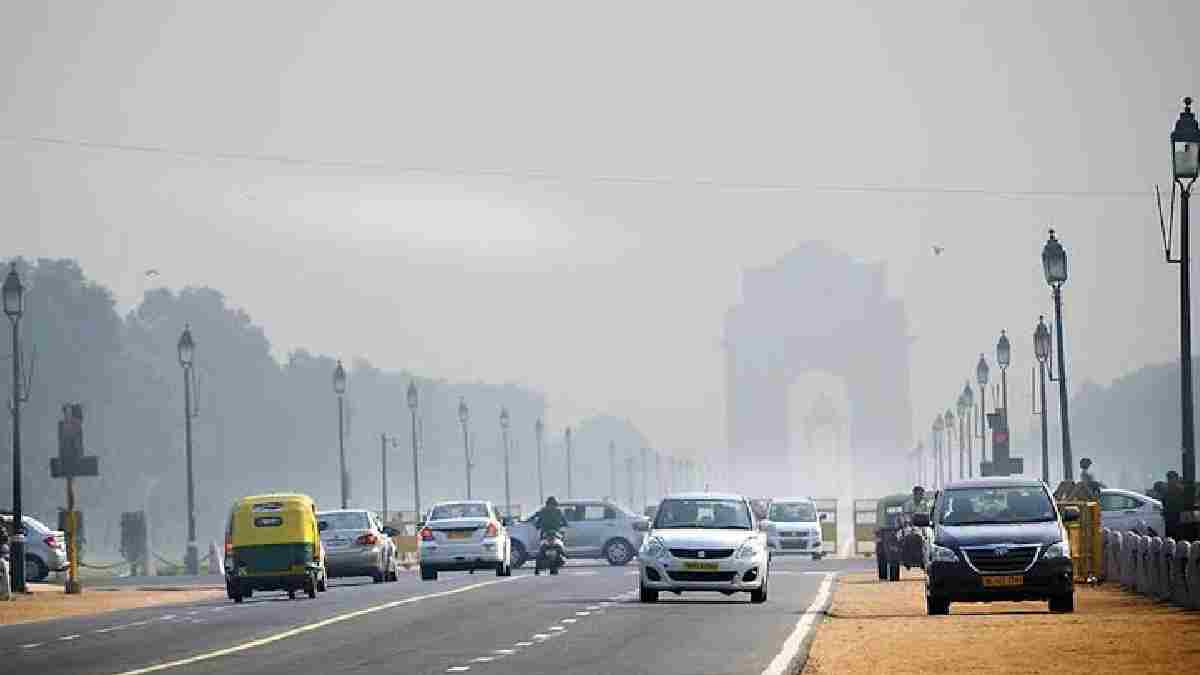
The ban will affect the drivers going to Delhi from other states like Haryana, Uttar Pradesh, Rajasthan, and other parts of the country. All vehicle owners who wish to enter the capital during that time should also check the new official guidelines to see which vehicles are covered and what exemptions, if any, are available.
This restriction will be implemented as part of the Delhi government’s winter pollution control plan, which will also have to address vehicle emissions and air quality.
What Vehicles will be affected?
Vehicles registered outside Delhi that do not meet BS-VI emission standards will be barred from entering the capital during the three-month period. The move will affect some commuters traveling daily from NCR cities like Gurugram, Faridabad, Noida, Greater Noida and Ghaziabad.
But there are exemptions. Electric and CNG vehicles, along with some emergency and essential service vehicles, are exempt under the proposed framework. Owners of cars that meet BS-VI standards can still enter Delhi, subject to other traffic and pollution-control rules.
‘No PUC, No Fuel’ Rule Also Planned
Another important step in Delhi’s winter pollution plan is the ‘No PUC, No Fuel’ policy. Vehicles without a valid Pollution Under Control (PUC) certificate will not be served fuel at designated petrol pumps and other fuel stations in the capital, according to reports on the government’s plan.
To this end, motorists should check their vehicle’s emission category and verify that their PUC certificate is valid before travelling. They should also confirm the latest implementation instructions, especially if they use a vehicle registered outside Delhi.
Other measures to tackle winter pollution
The winter action plan also includes higher parking charges at authorised parking facilities, restrictions on dust-generating construction activities, staggered office timings and a work-from-home arrangement for employees. These measures are in order to reduce traffic congestion, vehicle use and other pollution in the winter months.
Authorities are getting ready for more checks at Delhi’s borders to help enforce vehicle-entry restrictions. Traffic officials have said better coordination with neighbouring states and use of prominent information boards to alert drivers before they enter the city.
The entry ban is expected to last from November 1, 2026 to January 31, 2027, and the broader winter pollution control framework is to run through February 28, 2027. Vehicle owners should follow official Delhi government and traffic police updates for the final enforcement details and applicable exemptions.







Comments