
A major counterfeit coin manufacturing and circulation racket has come under the spotlight after police busted an alleged network involved in producing fake Indian ₹20 coins and supplying them to markets across several states. The development has raised concerns among shopkeepers, traders and ordinary consumers who regularly use cash for everyday transactions.
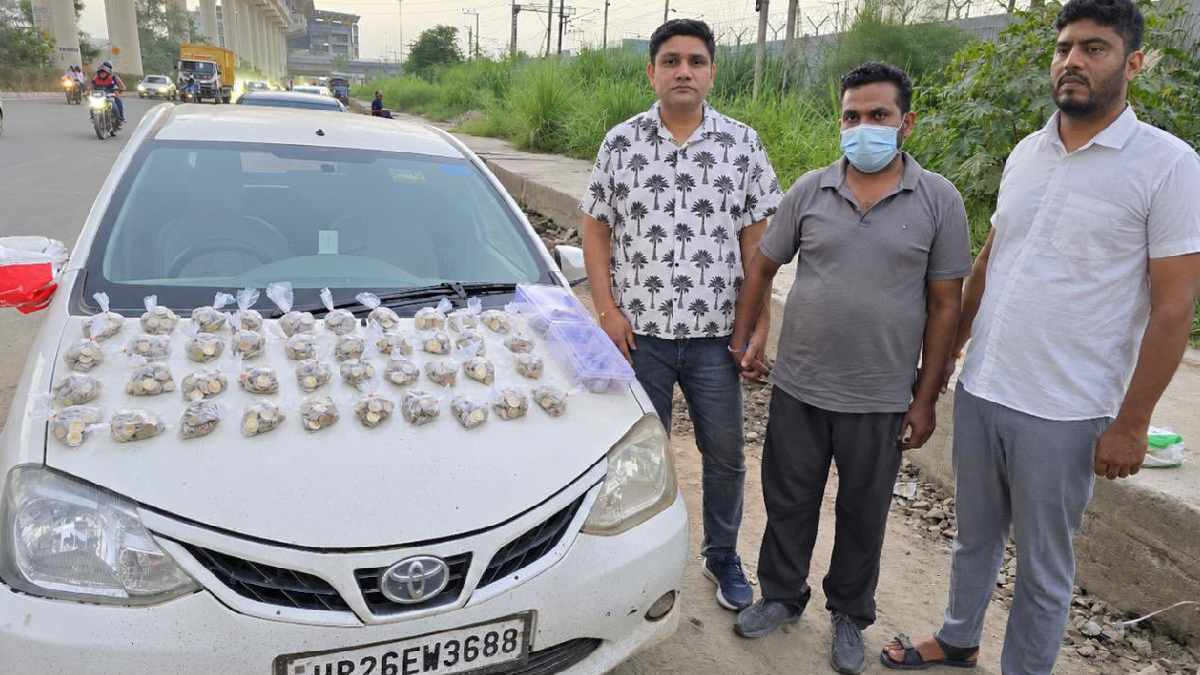
According to police reports published in November 2026, Delhi Police arrested four people in connection with the alleged counterfeit coin manufacturing and supply operation.
Authorities recovered fake ₹20 coins with a total face value of approximately ₹1 lakh from a vehicle intercepted near Mundka Industrial Area Metro Station in Delhi.
Investigators said the recovered consignment contained around 5,000 counterfeit ₹20 coins packed in 50 separate polythene pouches, with each pouch reportedly containing 100 coins. The coins were allegedly being transported for further distribution and circulation in the market.
How the Counterfeit Coin Network Operated
According to investigators, the alleged network involved manufacturing, transporting and distributing counterfeit coins through different individuals. One of the accused, identified as Paras Jain, was allegedly caught while carrying the consignment in a car.
During questioning, he reportedly disclosed that the coins had been obtained from Upkar Luthra, also known as Abhay Pratap Singh. Police alleged that the supplier provided counterfeit coins worth ₹1 lakh for approximately ₹70,000, allowing intermediaries to earn money through further circulation.
The investigation also revealed that the alleged manufacturing unit was being shifted from Sonipat in Haryana to Saharanpur in Uttar Pradesh following the initial police action.
🚨 FAKE ₹20 COIN RACKET BUSTED! COUNTERFEIT CURRENCY WORTH ₹1 LAKH SEIZED WR-I, Crime Branch, Delhi Police, has busted a counterfeit coin manufacturing and supply racket with the recovery of fake ₹20 coins having a face value of approximately ₹1 lakh. The operation led to the arrest of four key accused, including the carrier and alleged kingpin, exposing a network involved in manufacturing, supplying and circulating counterfeit coins. 🔹 The carrier was caught transporting 5,000 counterfeit coins packed in 50 pouches. 🔹 Further investigation traced the supply chain to Zirakpur, leading to the arrest of three key members, including the alleged manufacturer and his associates, who were brought from Saharanpur Jail. TEAM BEHIND THE OPERATION: Led by Insp. Ashish Sharma, the team comprised SI Prakash, SI Guman Singh, ASI Sandeep Chawla, HC Saurav, HC Harpal and HC Amit, under the leadership of ACP Raj Kumar and under the supervision of Sh. Harsh Indora, DCP, Crime Branch. @LtGovDelhi @DelhiPolice @CPDelhi
— Crime Branch Delhi Police (@CrimeBranchDP) November 1, 2026
Saharanpur Police subsequently arrested members of the alleged network while they were relocating the manufacturing operation. Earlier reports also stated that authorities seized six coin-making machines, manufacturing dies and thousands of counterfeit and unfinished coins.
Police are investigating the network's supply chain and attempting to establish how many fake coins entered circulation and which areas were affected.
What Should Consumers Check on ₹20 Coins
The incident has highlighted the importance of being cautious while accepting cash payments. Consumers should pay attention to the overall appearance, shape, design and denomination markings of ₹20 coins.
However, identifying a counterfeit coin through appearance alone can be difficult. A coin should not automatically be considered fake simply because it looks unfamiliar, worn or different from another ₹20 coin.
People should avoid spreading unverified images or claims about particular coin designs on social media. If a coin appears suspicious, they can seek guidance from a bank or report the matter to local police rather than attempting to circulate it.
What Should You Do If You Receive a Suspicious Coin
Consumers and shopkeepers should avoid knowingly passing on a suspected counterfeit coin. They should preserve the coin and report the matter to the appropriate authorities for verification.
The latest police action serves as a reminder that counterfeit currency concerns are not limited to banknotes. Fake coins can also affect everyday transactions, particularly in shops and other cash-based businesses.
While the investigation continues, consumers should remain alert without panicking over genuine ₹20 coins. The police are working to establish the full extent of the alleged operation and identify additional people involved in the network.



Comments