
Supermarkets in parts of Europe have been hit by cyberattacks on refrigeration systems, fuelling fears about food safety, food waste and cybersecurity. Stores in Sweden and Belgium were disrupted between November 1 and 2 (2026) after a major incident involving supermarket refrigeration systems in France last month.
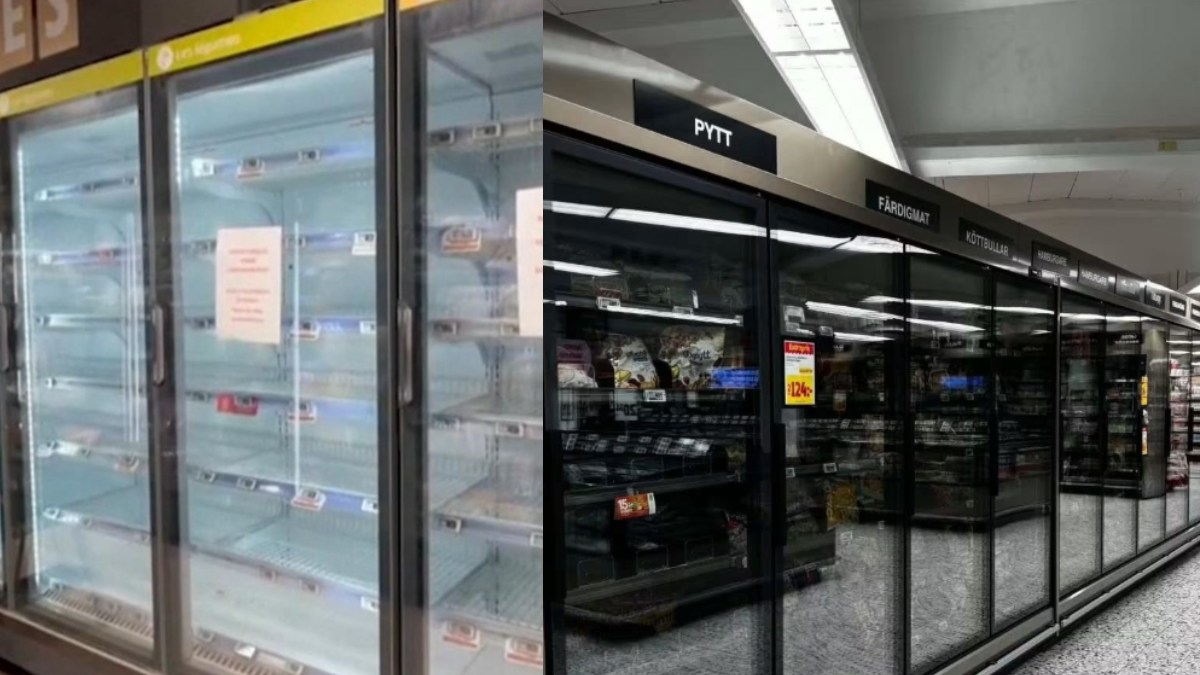
The suspected attacks hit refrigerators and freezers temperatures rose instead of dropping. Stores had to remove food products from shelves so customers couldn’t buy spoiled goods.
Belgium Reports Refrigeration Problems at Dozens of Stores
Belgium was one of the countries hit in the latest incidents. Delhaize, a supermarket chain owned by Dutch retailer Ahold Delhaize reported an IT incident affecting refrigeration systems at about 40 stores.
Carrefour Belgium also reported problems at 15 outlets and five Spar stores were said to be affected.
The attacks happened between Sunday night and Monday morning. Hackers apparently changed the refrigeration settings so that temperatures inside freezers and refrigerators rose sharply.
Some Belgian reports said temperatures were as high as 70 degrees Celsius in affected units. The disruption led to food losses (Belgian media put the figure at €100,000 worth of products being thrown away).
Retailers said they took immediate action to keep stores open and investigate the technical problems.
Sweden's ICA and Coop Stores Also Affected
Supermarkets in Sweden also reported refrigeration disruptions overnight.
Retail chains ICA and Coop said some of their stores had problems with refrigerators and freezers.
Coop reportedly found six stores affected. Some ICA outlets also reported sudden temperature increases — staff were forced to remove spoiled items and deal with refrigeration problems.
One affected Swedish store reportedly found its freezer temperature had risen to around 50 degrees Celsius.
The number of affected Swedish outlets was not known when the reports were published on November 2.
France Experienced a Major Attack in October
The latest incidents come after a much larger cyberattack in France the night of October 11 and 12, 2026.
French media reported that several hundred supermarkets were disrupted after attackers got access to refrigeration management systems.
The hackers allegedly changed temperature settings and extended defrost cycles so that refrigerators and cold-storage facilities were unusually warm.
Some stores had to throw away large quantities of frozen and chilled products to avoid food safety risks. French authorities opened an investigation into the incident.
How Can Hackers Target Supermarket Freezers?
Modern supermarkets rely more and more on connected systems to monitor and control refrigeration equipment.
These systems let employees control temperatures, monitor energy use and troubleshoot technical issues. But poorly secured internet-connected equipment also provides opportunities for cyber criminals.
If attackers gain unauthorized access they may be able to change settings and disrupt essential operations.
The French investigation did identify vulnerabilities in older refrigeration management software. But there is no direct technical connection between the French incident and the latest attacks in Belgium and Sweden.
Cybersecurity Concerns for Europe's Food Retail Industry
The incidents have shown how cyberattacks can impact physical infrastructure (not just computers and financial systems).
Refrigeration in supermarkets is needed to preserve meat, dairy products, frozen food and other perishable items. A prolonged disruption can lead to financial losses, food waste and operational problems.
Retailers and cybersecurity experts will now have more pressure on them to harden networks, update old systems and monitor connected equipment.
Investigations into the latest incidents are ongoing and authorities have not publicly stated whether the attacks were coordinated or carried out by the same group.




Comments