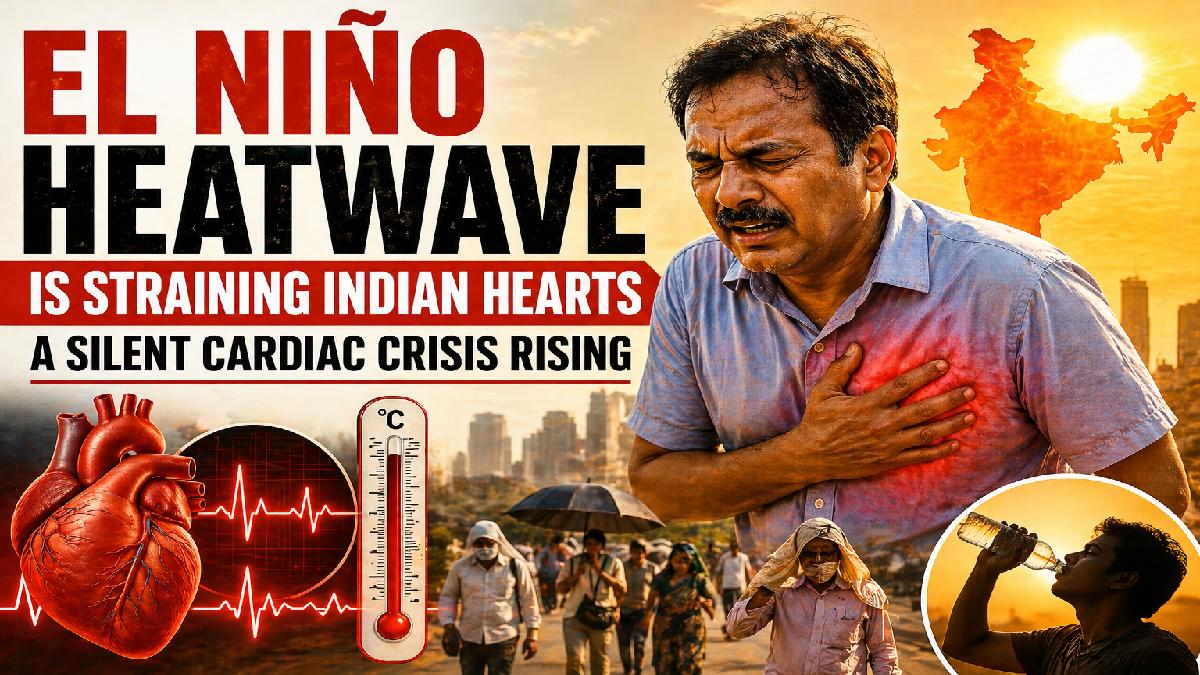
Scientists are closely monitoring changing conditions in the Pacific Ocean in fear that the 2026 El Niño could become one of the biggest in nearly 150 years. If such predictions are right, global weather patterns will change— with extreme temperatures, prolonged droughts, heavy rainfall and severe flooding hitting all parts of the world.
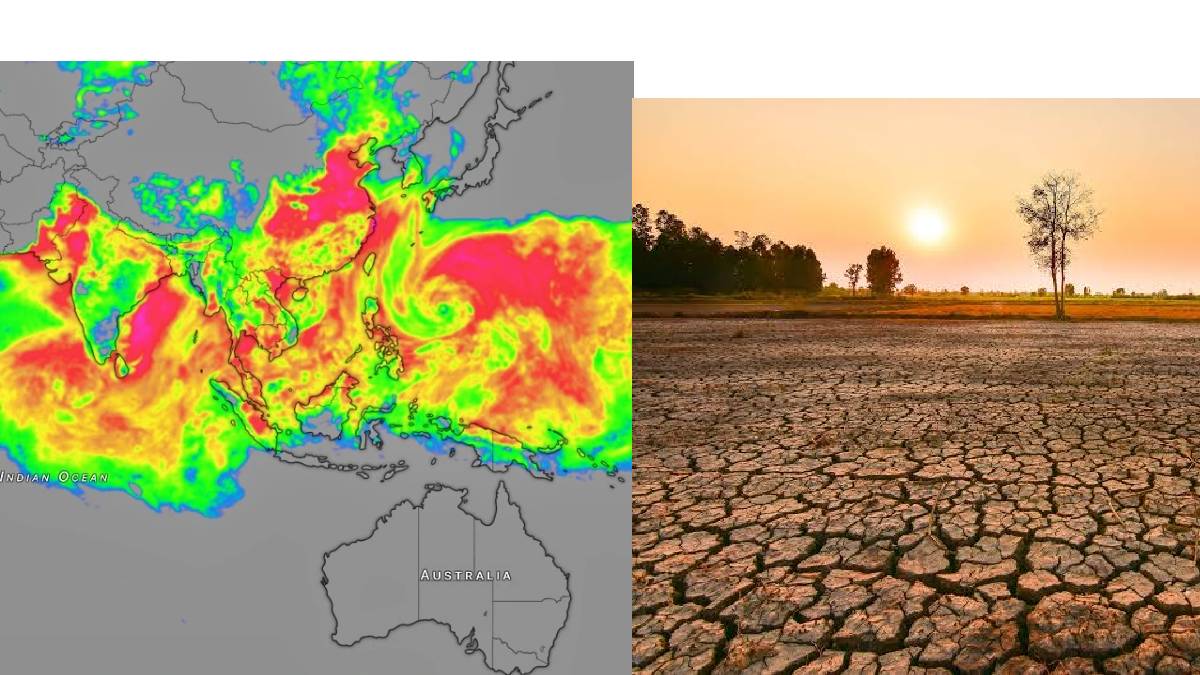
El Niño is the warm phase of the El Niño-Southern Oscillation (ENSO), the natural cycle of climate in the central and eastern equatorial Pacific Ocean with unusually warm sea surface temperatures. These changes affect the climate and may change the weather on continents.
According to climate researchers, ocean temperatures in parts of the Pacific have been rising rapidly, and so conditions are favourable for a particularly intense El Niño. El Niño episodes happen every two to seven years, but the intensity varies considerably. A super El Niño can create global weather extremes that have dramatic economic and environmental effects.
One of the most immediate effects of a strong El Niño is a rise in global temperatures. As the Pacific Ocean stores large amounts of heat, warmer ocean waters release more heat into the atmosphere, making El Niño years among the hottest on record. Combined with global warming from greenhouse gas emissions in the long run, a strong 2026 El Niño will push global temperatures to new levels.
Different regions have very different impacts from El Niño. In South Asia, particularly in India, for example, the event is associated with weaker monsoon rainfall, increasing the risk of drought, water shortages, and reduced agricultural productivity. However, the exact impact will be different in different parts of the region, and it will affect the Indian Ocean.
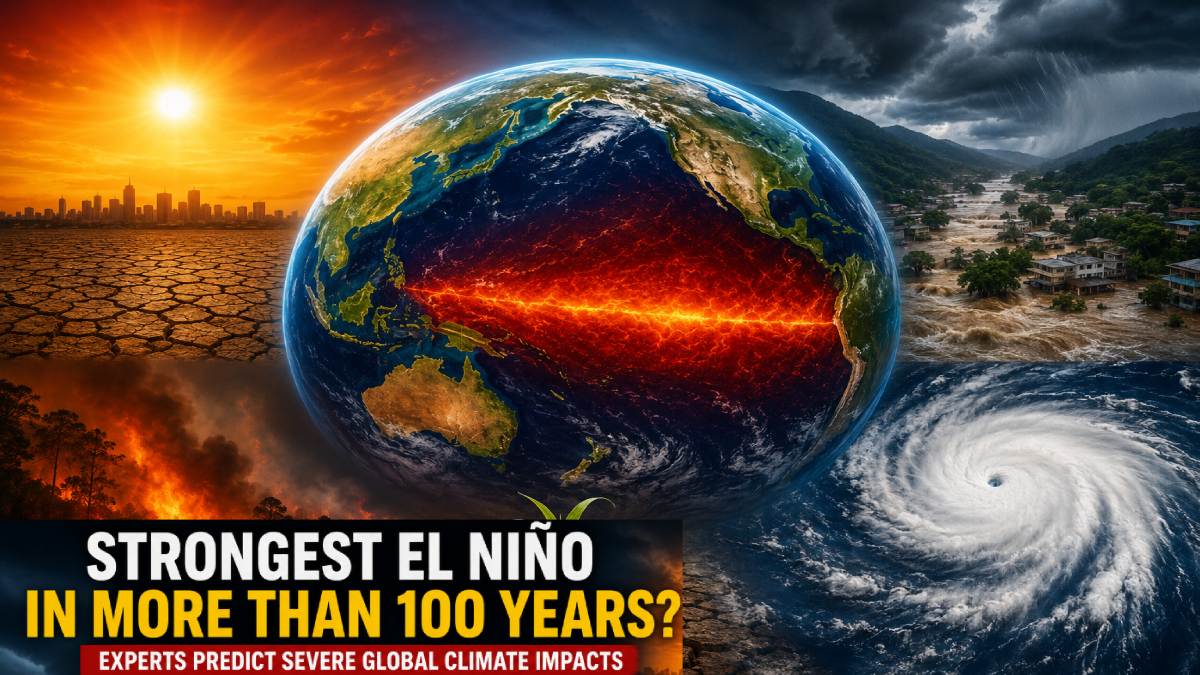
Parts of North and South America, in contrast, could experience heavier rains and flooding. The western coast of South America, especially Peru and Ecuador, have historically suffered through torrential rain and landslides during a strong El Niño season. Some regions of Australia and Southeast Asia are also prone to long dry spells and high wildfire risk.
Agriculture is the sector most vulnerable to El Niño. Rainfall patterns and temperature changes might affect crop yields, planting schedules, and food supplies. Staple crops such as rice, wheat, maize, and soybeans may face production challenges in some parts of the world, potentially contributing to higher food prices and increased pressure on global food security.
Marine ecosystems may be severely affected. A warmer ocean temperature can reduce nutrient-rich upwelling along coastlines, impacting fish populations and the livelihoods of fishing communities. Coral reefs are at increased risk of bleaching when prolonged heat stress undermines coral ecosystems, threatening marine biodiversity.
Energy systems are another area of concern. Hydropower generation could decline in drought-affected areas due to low reservoir levels, and higher temperatures could increase energy demand for cooling. At the same time, extreme weather events can damage infrastructure, disrupt transportation, and strain disaster management resources.
Scientists stress that although El Niño is a natural climate phenomenon, climate change is making heat events more intense and may exacerbate some of its effects. Long-term global warming and a strong El Niño could result in more extreme weather events than we have seen in many decades.
Governments, disaster management agencies, and international bodies are already strengthening preparedness efforts with more seasonal forecasting, better early warning systems, and climate adaptation strategies. Farmers are being encouraged to adopt climate-resilient agricultural practices, and urban planners are working to upgrade flood management and water conservation systems.
But climate forecasts are constantly evolving, and the potential strength of the 2026 El Niño will depend on oceanic and atmospheric conditions in the coming months. As more data becomes available globally, meteorological agencies will be able to provide better predictions.
If predictions are right, the 2026 El Niño could be one of the biggest climate events of the decade and be a manifestation of how natural climate variability is driving the world’s weather system and how the world will be dealing with it. Its impacts will go well beyond weather, influencing agriculture, public health, ecosystems, economies, and global adaptation to climate change.