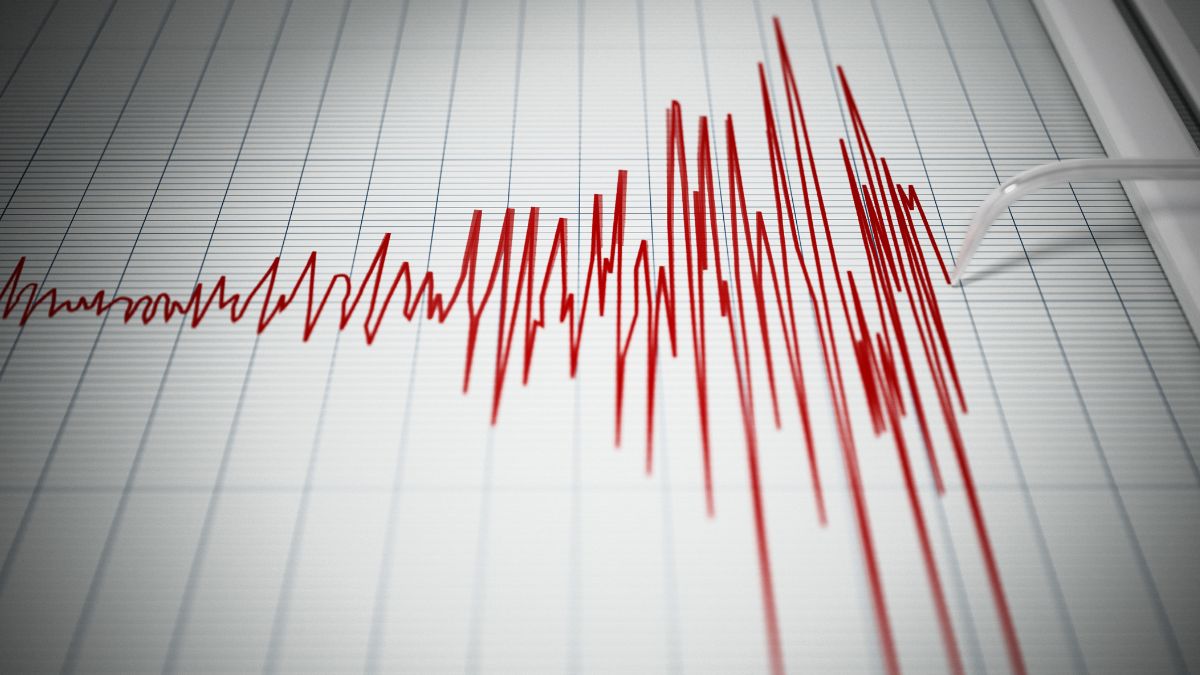
A moderate earthquake measuring 5.4 on the Richter scale struck Pakistan on Saturday, shaking much of the country and sending people running from their homes, offices and commercial buildings and driving them outside as the ground shook beneath them. A large earthquake rocked many cities and towns, and residents worried a bigger earthquake was coming.
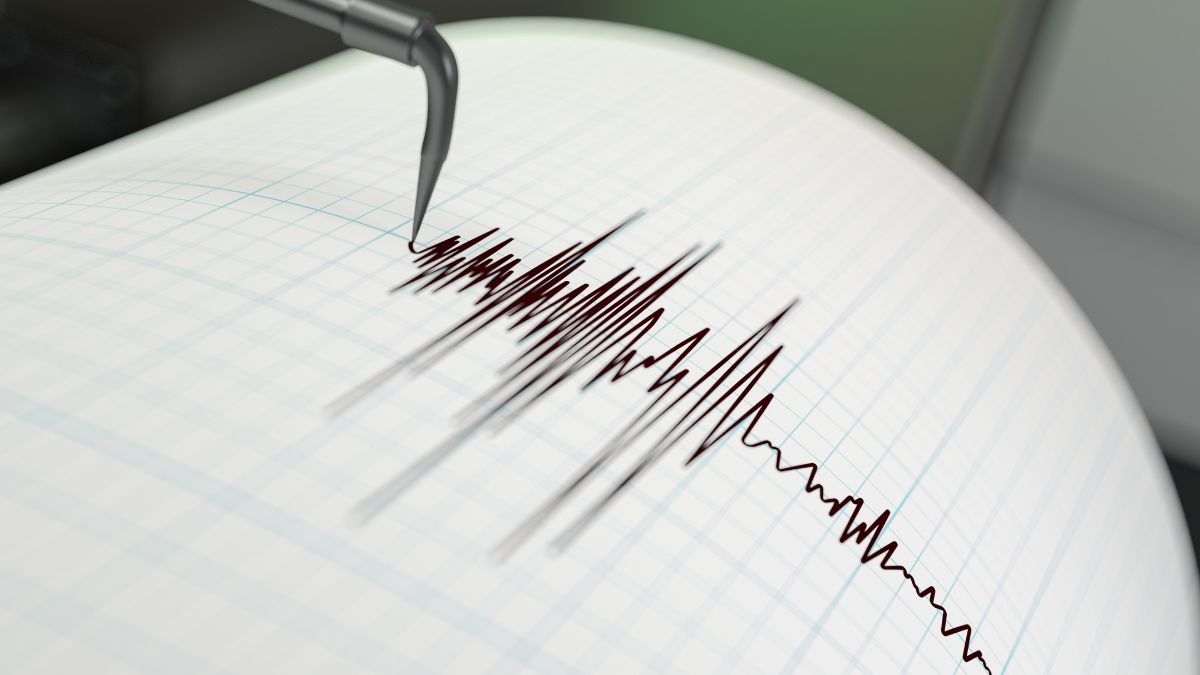
The earthquake had been at a depth to make it so the tremors could be felt in a wide area (and in many places), according to early reports from seismic monitoring agencies. People had felt shaking for a few seconds at times in areas affected and had felt the shaking of the buildings, rattled windows and vibrating household items. Social media sites were flooded with users posting about their experiences and the fear of aftershocks.
Emergency management authorities immediately began assessing the situation to determine whether the earthquake had led to casualties or significant structural damage. Initial information suggested there were no immediate reports of major destruction, but authorities continued to check buildings, roads, bridges, and other critical infrastructure as a precautionary measure. Local authorities also called for calm as emergency teams went from one area to another to collect information.
Pakistan is located in a seismically active region, where Indian and Eurasian tectonic plates interact, and earthquakes are common. Both northern and western regions are especially prone to earthquakes due to their proximity to major fault lines. Pakistan has been hit by a few serious earthquakes - the most destructive one is the 2005 Kashmir earthquake, which killed tens of thousands of people and caused mass destruction.
Experts say even magnitude 5.4 earthquakes can cause some damage in areas with older buildings or structures that do not meet earthquake-resistant standards. The degree of any impact is determined by several factors: the depth of the earthquake, the distance from the epicentre, the local geological conditions, and the quality of infrastructure in the affected areas.
Residents were warned to be on the lookout for aftershocks and that they should be alert for aftershocks, and public health officials urged people to be on the lookout for possible aftershocks, which frequently occur following significant earthquakes. Disaster management officials said people should be prepared to be on the watch for earthquakes and be aware of aftershocks. Schools, hospitals and government agencies in some areas also had to update their emergency preparedness plans in case of more seismic activity in this area.
The earthquake has occurred at a point where many Asian countries are experiencing increased seismic activity, and disaster preparedness and resilience are becoming more important. Seismologists are monitoring the area closely now for any further seismic activity along active fault lines that could lead to further tremors.
Although the situation is still under review, officials said there is currently no indication of a bigger earthquake imminent. The public safety and the impact on Pakistan’s population post-earthquake in the future as a whole is still being discussed, and the impact on Pakistan’s people is also in question, but the immediate focus is on public safety and the impact on the economy and communities overall.