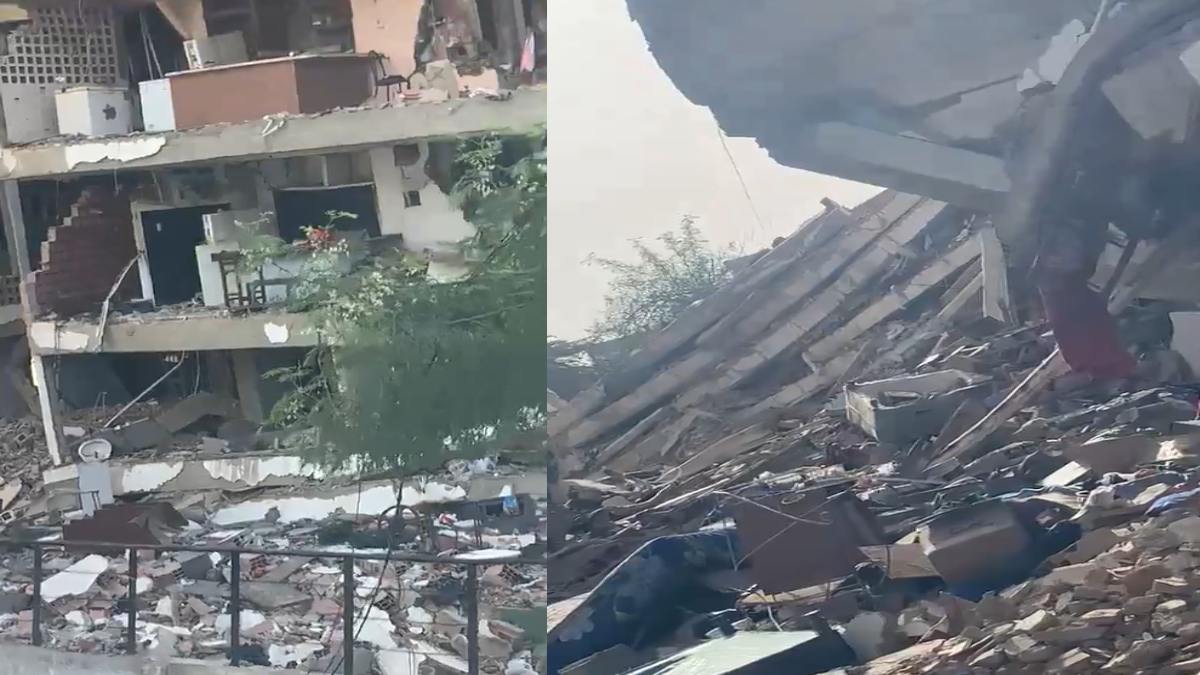
A powerful earthquake measuring 7.4 on the Richter scale hit Colombia and led to strong shaking throughout the country and panic in the capital city of Bogotá and other areas. The strongest earthquake to hit the country in several years triggered emergency responses as authorities considered damage and monitored aftershocks.
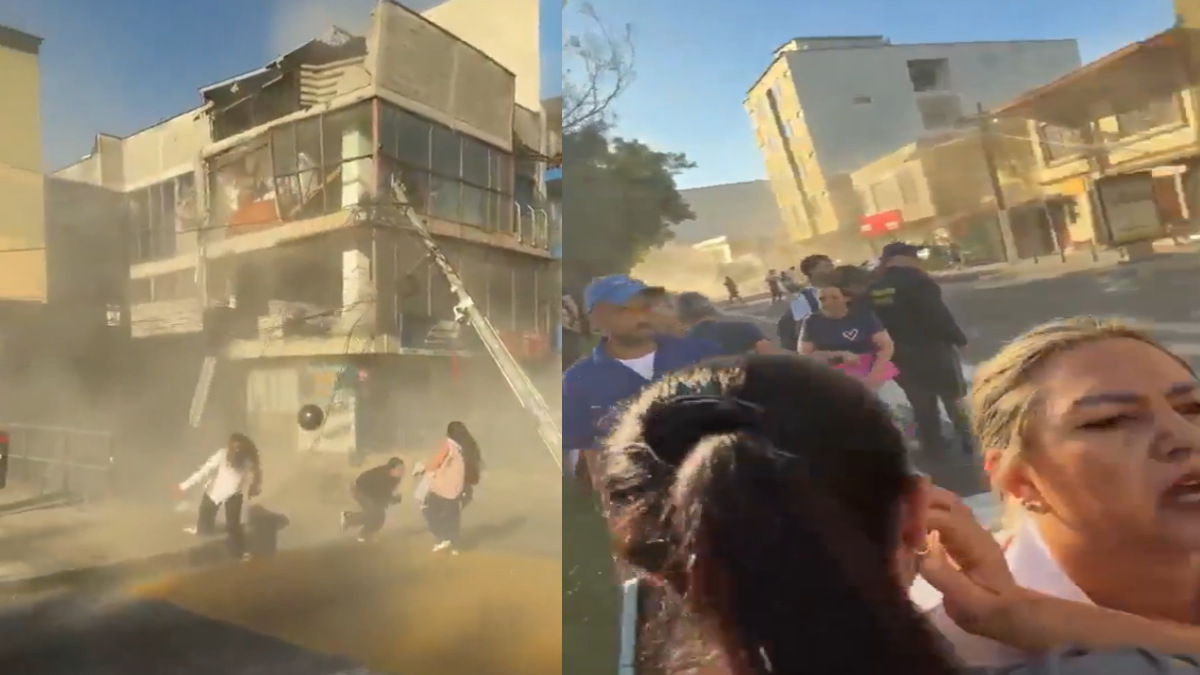
The earthquake rocked homes, offices, malls, shopping centres, and public places around the country. There was panic and confusion among people in the aftermath of the earthquake in Bogotá, Colombia’s largest city and the capital city, as the ground shook for a few seconds and people rushed out of buildings.
Emergency agencies immediately activated response protocols and urged citizens to remain calm but comply with safety procedures. People should stay away from damaged buildings, avoid unnecessary travel, and watch official channels for updates on the situation. Rescue and assessment teams were deployed to various places to assess the effects of the earthquake and locate any areas in need of urgent assistance.
The tremors were felt not only in Bogotá but in many provinces and neighbouring ones. Residents in a few cities reported swaying buildings, rattling windows, and shaking furniture. Videos and images from some of the earthquake-affected buildings flooded social media.
Because Colombia is situated in a seismically active area with several tectonic plates connected with each other, earthquakes are very common in Colombia, but a magnitude 7.4 earthquake is a high-risk earthquake and may have caused damage around the epicentre. Seismologists said that earthquakes of magnitude 7.4 release a lot of energy that can be felt hundreds of kilometres away and impact the ground.
Authorities did not immediately have a comprehensive assessment of casualties or damage on site. Emergency officials said inspections are ongoing and engineers are checking bridges, roads, hospitals, schools, and public buildings. Power lines, water systems, and communication systems are being checked by utility companies to see if services are operating.
Hospitals and emergency services across the country were on alert after the earthquake. Disaster response teams were prepared for the possibility of aftershocks that often occur after big earthquakes, and teams were activated in case of major earthquakes. Residents should keep watch on the ground and be prepared for more seismic activity in the next couple of days, the experts say.
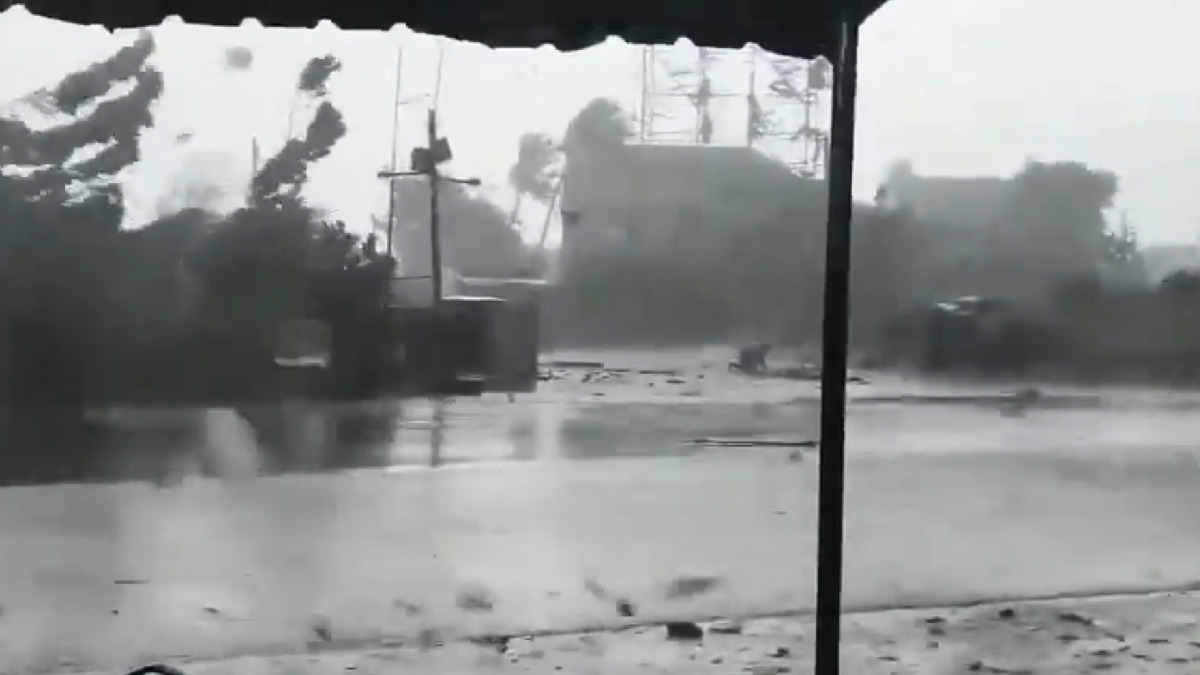
JUST NOW: Multiple buildings were damaged in Colombia after a strong magnitude 6.6–7.4 earthquake was felt across the Colombia-Venezuela border.
— WORLD NEWS (@_MAGA_NEWS_) August 10, 2026
pic.twitter.com/p0tuEUFmuI
The earthquake also raised concerns about landslides in mountainous areas and structural damage in vulnerable communities. Colombia’s diverse geography is mountainous, and strong earthquakes can lead to secondary risks. If new emergencies arise, local governments are monitoring high-risk areas as well as working with the city government to prepare for them, officials said.
Residents who experienced the earthquake described it as one of the strongest tremors they had felt in years. People reported waking up or being startled by the sudden shaking, and office workers and shoppers were told to leave their buildings as a precautionary measure. There were delays in public transportation, and safety checks were made at some places.
International monitoring agencies and neighbours closely monitor the aftermath of the earthquake. Major earthquakes in South America often receive international attention due to the region’s complex geological history and its long history of strong earthquakes.
Preparedness is the most important in earthquake-prone countries like Colombia, experts say. Emergency kits, evacuation plans, and public education campaigns are crucial to minimise the chances of earthquakes and the risk of casualties and damage to life and property. The authorities have advised citizens to follow the official instructions and not share unverified information on social media.
We’re still assessing the full impact of the earthquake, and we’re working with the government, emergency responders, and local authorities to determine whether there’s been any structural damage or any injuries that have occurred from the earthquake.
The magnitude 7.4 earthquake serves to reinforce the fact that Colombia is vulnerable to seismic activity and that it is critical to ensure that it is prepared, resilient, and has a fast emergency response in case of natural disasters.