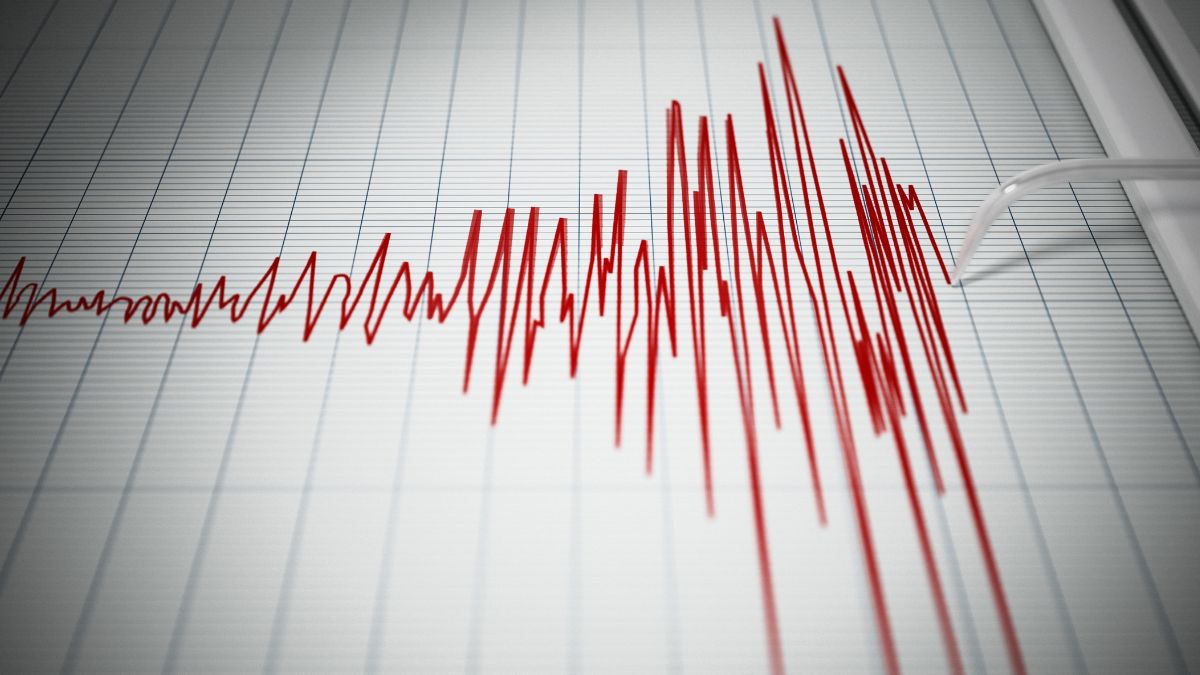
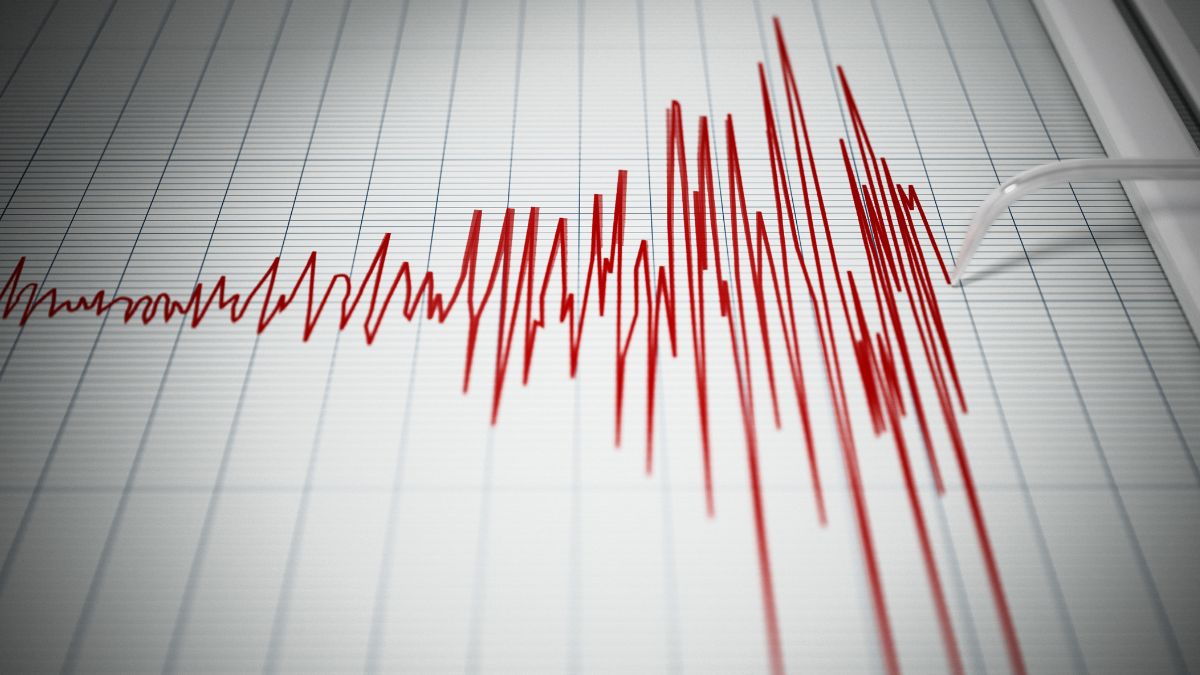
Today morning, the Himalayan state of Sikkim was rocked by two separate earthquakes that gave birth to a transient panic amongst residents in the Gyalshing and Mangan districts. The tremors were within 1 hour of one another and the authorities stated there was no loss of life or destruction of property immediately, the National Centre for Seismology (NCS) said. Sikkim, situated in high-seismic zone areas, is known to be a highly active tectonic zone but these mid-intensity jolts have kept local disaster management (DRM) teams on high alert, they said.
Timeline of the Tremors
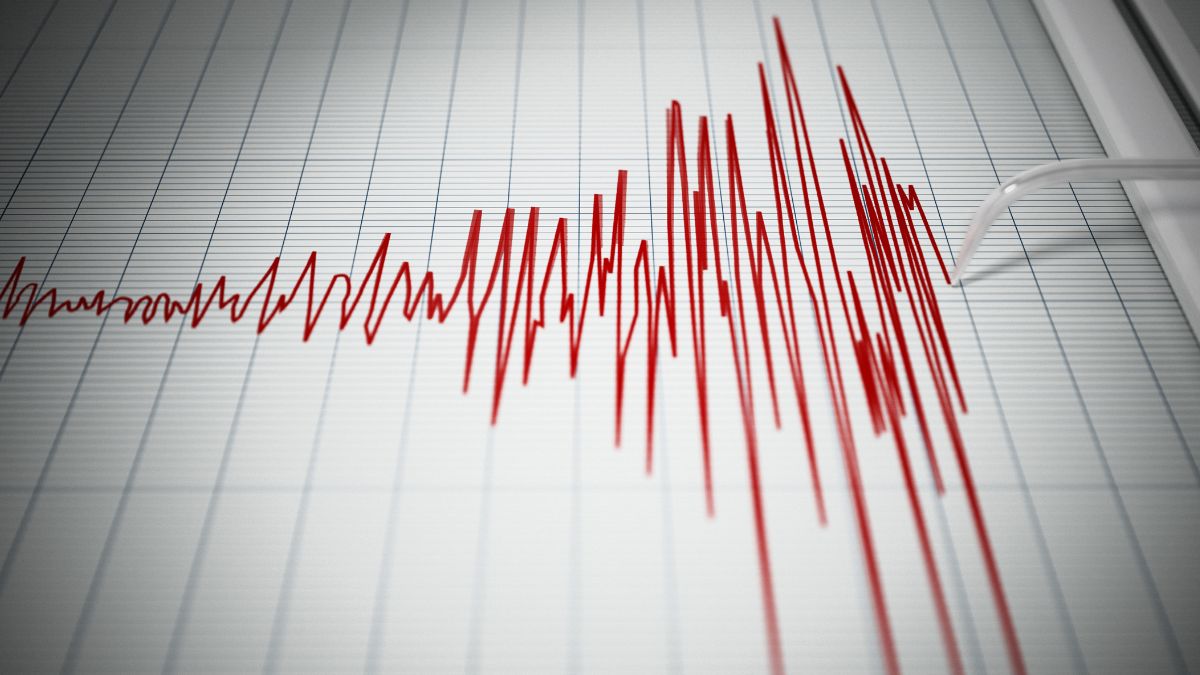
The first and larger magnitude earthquake measured 4.6 on the Richter scale, and struck at 11:24 A.M. The epicenter was in Gyalshing district located some 4 km northeast of Yuksom according to NCS. The seismic activity originated at a depth of around 10 kilometers, a depth that often results in more perceptible vibrations on the surface. Yuksom and neighboring villages reported a loud rumbling sound, some of which lasted for several seconds before the shaking got too intense.
Later at 12:17 PM, a second earthquake triggered a state to cease shaking before it could clear away the first shaker. This tremor was assessed at 3.5 on the Richter scale. The epicenter of the 2nd quake was established in the Mangan District, which is about 11 km northwest of the capital state, Gangtok. Like the initial quake, it occurred at 10 km depth.
Impact and Local Response
Office-goers and shopkeepers in Gangtok felt the tremors, many hastened from buildings into open areas. “We could feel the chairs shaking and the windows rattling. It was quite a scare coming very soon after the first one,” said a guy in MG Marg. District officials in Gyalshing and Mangan have already done preliminary assessments, despite the intensity.
- Gyalshing District: Near the epicenter in Yuksom, no structural collapses or road blockages have been reported.
- Mangan District: They said they had been monitoring the arterial roads leading to North Sikkim, which are usually prone to landslides caused by seismic activity.
The Sikkim State Disaster Management Authority (SSDMA) advised citizens to stay calm yet alert. Due to the state’s mountainous terrain, even moderate earthquakes can sometimes loosen boulders or cause tiny cracks in ancient edifices.
Geological Context
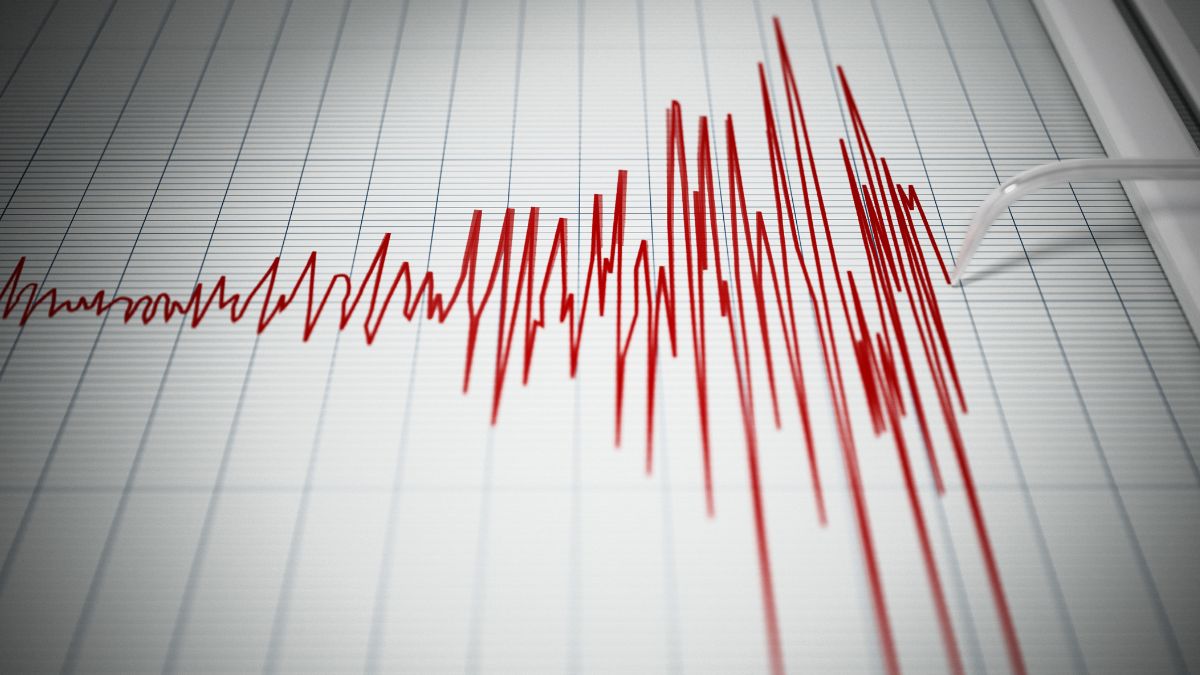
Sikkim is located in a heavy seismic belt (Zone IV and V regions) where the Indian plate is still pressing against the Eurasian plate. Thursday’s quakes were classified as “light” to “moderate,” but still a potent reminder of the region’s vulnerability. Seismologists frequently track these shallow-focus quakes to figure out whether they are precursors to larger events, or only the release of accumulated stress in local fault lines.