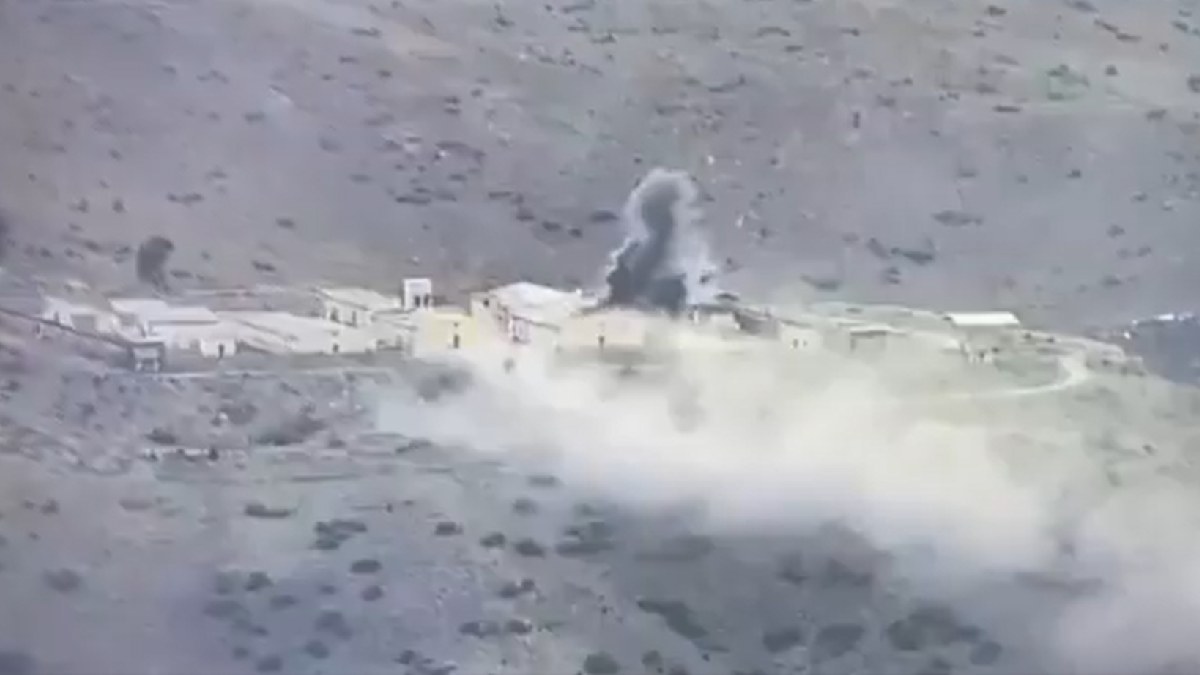
The magnitude 5.3 earthquake hit the Hindu Kush region of Afghanistan, one of the most seismically active areas in the world, according to the German Research Centre for Geosciences (GFZ). The earthquake struck one of the world’s most seismically active zones, where tremors of different intensities are usually recorded due to the interplay of tectonic plates beneath the Earth’s surface.
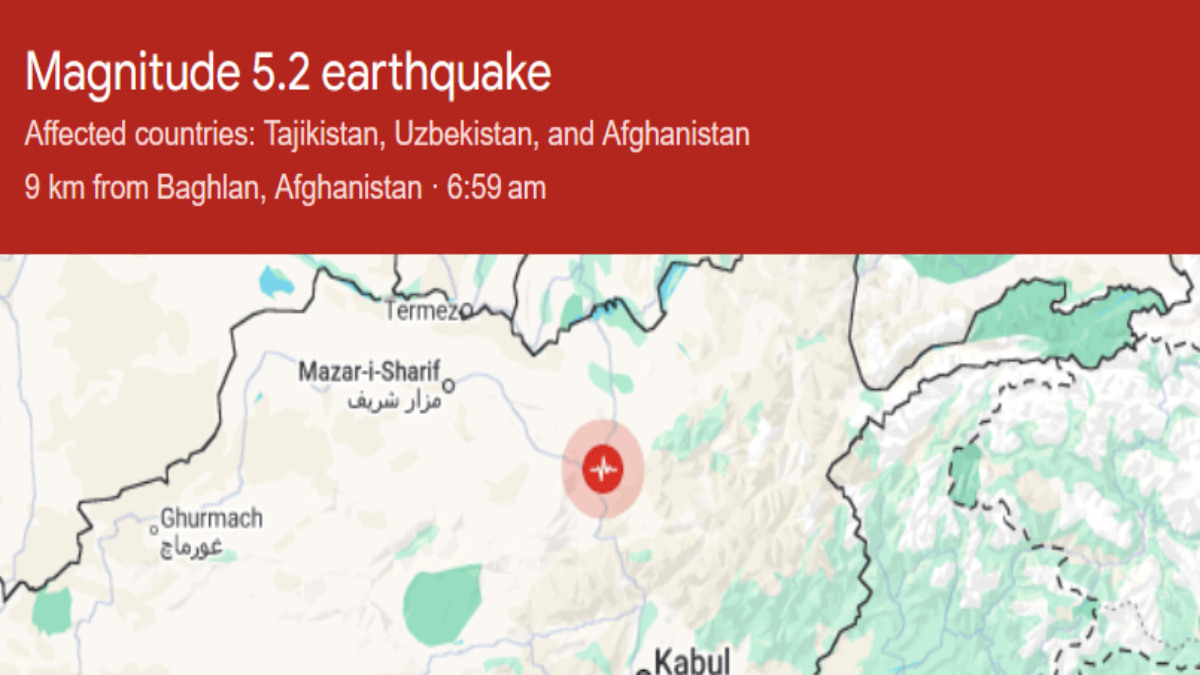
GFZ said the earthquake measured 5.3 on the Richter scale and centred in the Hindu Kush mountain range, which is seismically active. The earthquake occurred far below the surface of the Earth, which caused less shaking in nearby populated areas. But it was felt in parts of Afghanistan and other parts of the world.
There were no immediate casualties, injuries or significant structural damage, the latest updates said. But authorities are still monitoring the situation - especially in remote and mountainous areas where communication infrastructure can be limited. Emergency management teams and local officials are monitoring developments to see if any assistance may be needed.
The Hindu Kush region is known for having frequent earthquakes because of its location near the collision zone of the Indian and Eurasian tectonic plates. This constant geological process creates immense pressure deep into the Earth's crust and generates regular earthquakes. Most of these earthquakes are at deep geological depths and so can be felt across a wide area with minimal damage to the surface near the epicentre.
Recent years have witnessed many massive earthquakes in Afghanistan, causing significant loss of life and destruction of homes and infrastructure. The mountainous terrain in Afghanistan and vulnerable housing situations, as well as the country's fragile housing structures, are some of the reasons earthquakes are so devastating to the people living in rural areas.

Earthquakes in the Hindu Kush region are not uncommon. It is known as a hotspot for deep-focus earthquakes, with some occurring hundreds of kilometres below the surface of the earth. The magnitude and depth of these deep earthquakes can be felt in neighbouring countries, like Pakistan, Tajikistan, Uzbekistan, and parts of northern India.
Many people reported feeling brief shaking after the quake, prompting many to move outdoors as a result. Although the earthquake poses no tsunami threat due to its inland location, authorities warned that residents should be aware of the possibility of aftershocks that may occur. Secondary tremors can occur even hours or days after the initial earthquake, but are usually weaker than the main earthquake.
Disaster management experts stress the importance of earthquake preparedness in areas with seismic activity as a key aspect of disaster management. Building standards should be strengthened, and public awareness campaigns and effective emergency response systems should be implemented to reduce the risks associated with earthquakes.
The latest earthquake serves as a reminder of the dynamic geological forces that shape the Hindu Kush. While the 5.3 magnitude tremor did not immediately appear to cause major damage, officials remain vigilant as assessments continue.