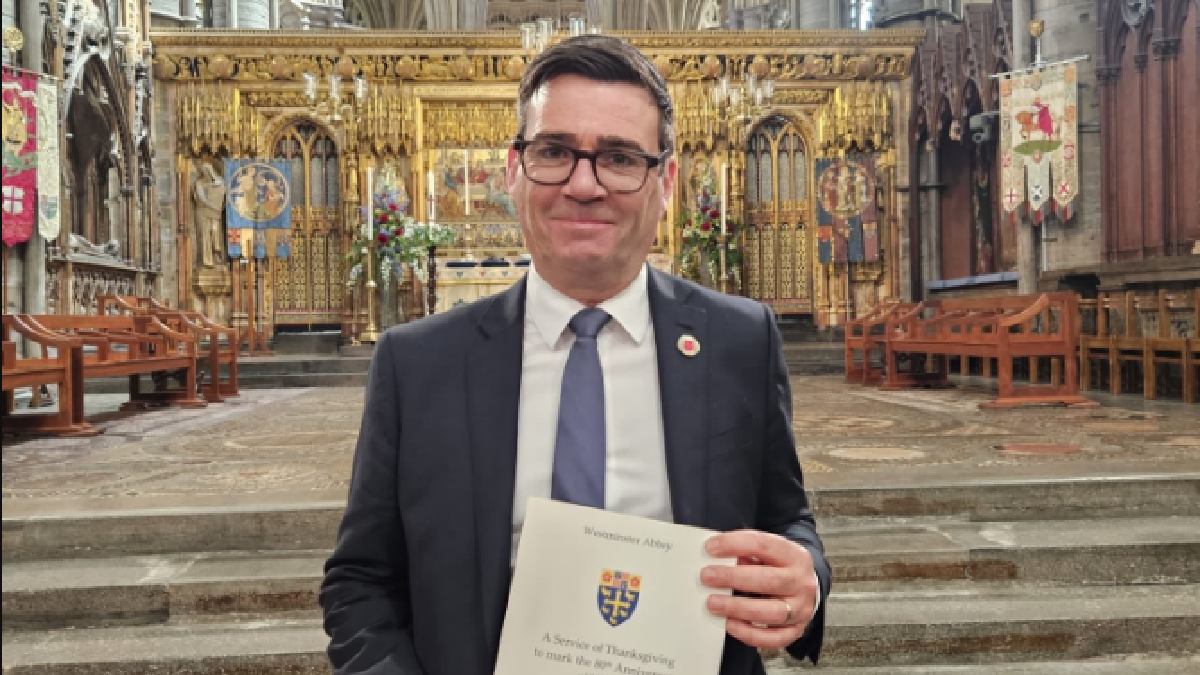
So much of his political career Andy Burnham was the man who almost made it.
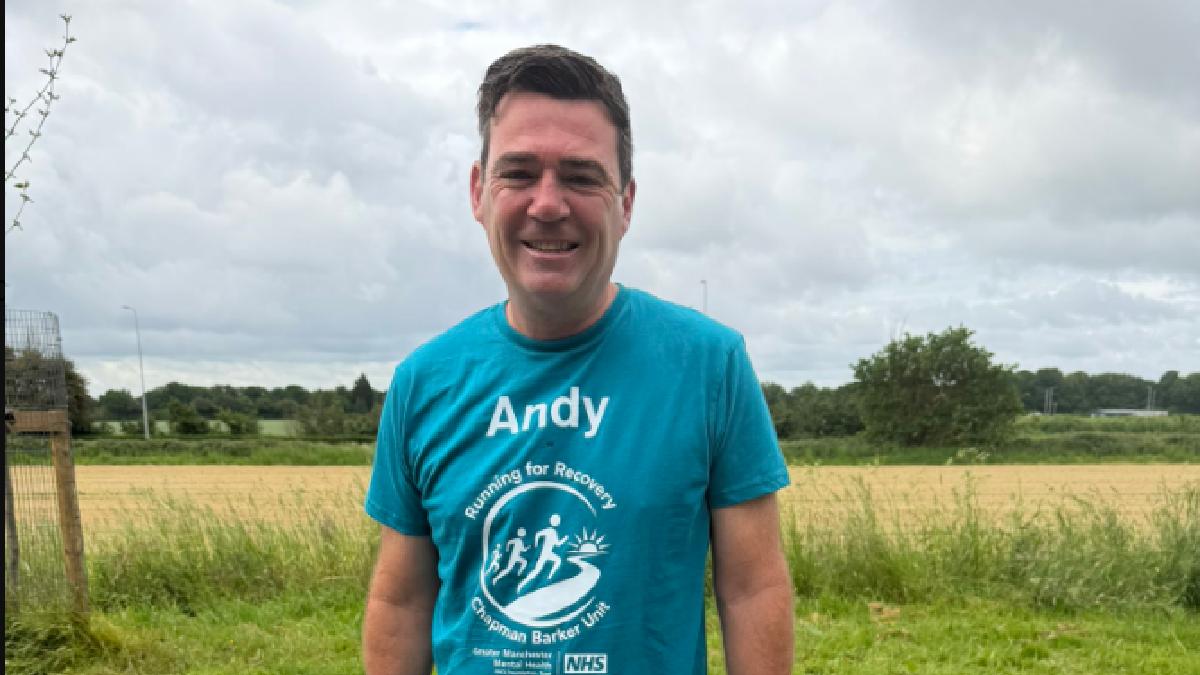
He came close to running the Labour Party. Almost to becoming one of the most powerful figures in British politics. Almost to turning promise into power. But every time the finish line seemed to be tantalizingly close, something got in the way.
He put himself forward twice to lead Labour. Twice he was defeated.
Those kinds of setbacks can determine careers in politics. And a lot of politicians never really recover from the trauma of that. Some politicians never really recover. Some drift away from public life. Some wait years and wait for another chance and never get it, never come. Burnham might have been able to do the same.
He did something unexpected, instead. He walked away.

Instead of staying in Westminster and fighting another internal battle he left the heart of British politics and returned to Greater Manchester. At the time it was seen as a retreat from national ambitions. He was seen by some as a step away from the big stage.
But not so long after that decision— that decision looks less like a retreat and more like a masterstroke.
At 56, Burnham is now in a position few could have dreamed after those leadership defeats. A perennial runner-up in Labour now, he is seen as one of the most likely candidates to eventually succeed Prime Minister Keir Starmer and lead the country.
What appeared to be the end of his political story might well have been the beginning of its most important chapter.
A Politician Who Didn't Come From the Political Elite
Burnham’s appeal is that his story is different from that of many modern political leaders.
He was born not into a rich political family. He didn’t grow up surrounded by influence or privilege. He was born in between Liverpool and Manchester as the son of a British Telecom engineer and receptionist. Like so many families in northern England politics wasn’t a family business. Hard work was.
Burnham joined the Labour Party when he was a teenager and studied at Cambridge University before finally entering Parliament in 2001. He quickly became a capable and ambitious politician who rose up Labour’s ranks during Tony Blair’s governments and Gordon Brown’s.
By the late 2000s, people within the party believed it was only a matter of time before he reached the very top.
Politics is never written by a script. His defeats in the 2010 and 2015 Labour leadership contests left him with a hard decision. He could stay in Westminster and carry on the dream or he could start again somewhere else.
He chose the harder one. And it turned out to change everything.
How Manchester Turned Him Into the 'King of the North'
When Burnham became Mayor of Greater Manchester in 2017, few thought that such a prominent role could change his political career in so dramatic a way.
But Manchester was changing, and so was Burnham. The city was booming. Former industrial areas were being rebuilt. Investment was coming in. The skyline was littered with tower cranes as Manchester reinvented itself as one of Britain’s most dynamic cities.
Burnham was more than just a local leader at mayor. He was a voice for a lot of northern communities that had been so overlooked by politicians.
Then the Covid-19 pandemic occurred. At a time when many politicians had been careful not to get into a fight with Boris Johnson’s government, Burnham openly challenged Westminster on the financial support for northern communities under lockdown restrictions. His televised clashes with the government struck a chord with millions of people who felt their territories were being treated as an afterthought.
And suddenly Burnham wasn’t just Manchester’s mayor.
He was an emblem of Northern England’s frustration and dreams.
He developed the nickname that still follows him: “The King of the North.” The title was borrowed from Game of Thrones; it was both evidence of his growing popularity and that he had become the most influential political voice outside London.
Why So Many Labour Supporters See Him as the Future
One of Burnham’s greatest strengths is that he rarely sounds like a traditional politician.
The polished Westminster image that once defined him has largely disappeared. Now he’s more likely to be seen in jeans and trainers than in a perfectly tailored suit. He talks about football, music, transport and everyday life in a way that seems genuine instead of rehearsed.
That authenticity is now even more important in modern politics. If trust in politicians is low at that time, Burnham has a reputation for telling complex issues in simple, human terms. Even those who don’t agree with him say he is genuine.
His supporters believe that quality will be one of Labour’s most powerful assets in the years ahead.
And recent electoral success has only strengthened that argument. His commanding victory in Makerfield, where he comfortably beat Reform UK, solidified his status as a politician capable of connecting with voters beyond Labour’s traditional base.
And in an age when political leaders are unable to inspire a great deal of enthusiasm, Burnham seems to generate something more and more rare: genuine excitement.
Can 'Manchesterism' Work for Britain?
At the heart of Burnham’s politics is a basic belief that he often refers to as putting “people and place before party.”
Supporters call it Manchesterism.
The concept is simple. Burnham feels power, investment and decision making in London have been concentrated for far too long and so many cities and towns across Britain have been left behind. To solve this, his solution would be giving local communities more control over transport, housing, education and economic development. In Greater Manchester he has tried to make that philosophy a reality.
Possibly the biggest achievement of his has been to establish the Bee Network, which integrated some of the region’s fragmented transport system into local government ownership. That’s been hailed by supporters as evidence that local leadership can deliver better services when given the tools to do so.
Burnham also has long-standing respect for the families of the Hillsborough disaster victims who have been at the forefront of their decades-long battle for justice and accountability. Now he wants to take those lessons national.
His argument is simple: If Greater Manchester can reinvent itself then why can’t the rest of Britain?
The Biggest Challenge of His Career Still Lies Ahead
For all his popularity, Burnham's road to Number 10 is far from guaranteed.
Critics say his vision is attractive, but some of the details are still unclear. And they question how his proposals would be funded and whether governing a city-region with three million people would really prepare a person to run a nation of more than 70 million.
His appeal is wider than northern England, some say. Being ‘King of the North’ is a powerful political brand but being Prime Minister requires winning support from every part of the country. Those questions will not disappear anytime soon.
But there is one thing that is impossible to ignore. Andy Burnham now has something that politicians spend an entire lifetime trying to find.
Politics can be brutally unforgiving but it can also offer second chances. A decade ago Burnham looked like a good politician whose biggest opportunities had slipped away. Today he is at the centre of discussions about Labour’s future and perhaps Britain’s future.
Whether he actually walks through the famous black door of Number 10 Downing Street remains uncertain. But for the first time in years Andy Burnham is no longer being talked about as the politician who almost made it.
He is talked about as a politician who just might.