Apple and OpenAI have become one of the most closely watched legal disputes in the technology industry, with Apple claiming OpenAI and former Apple employees have misappropriated trade secrets. The case highlights the growing competition to define the next generation of AI-powered consumer devices and underscores how valuable intellectual property has become in the race for AI leadership.
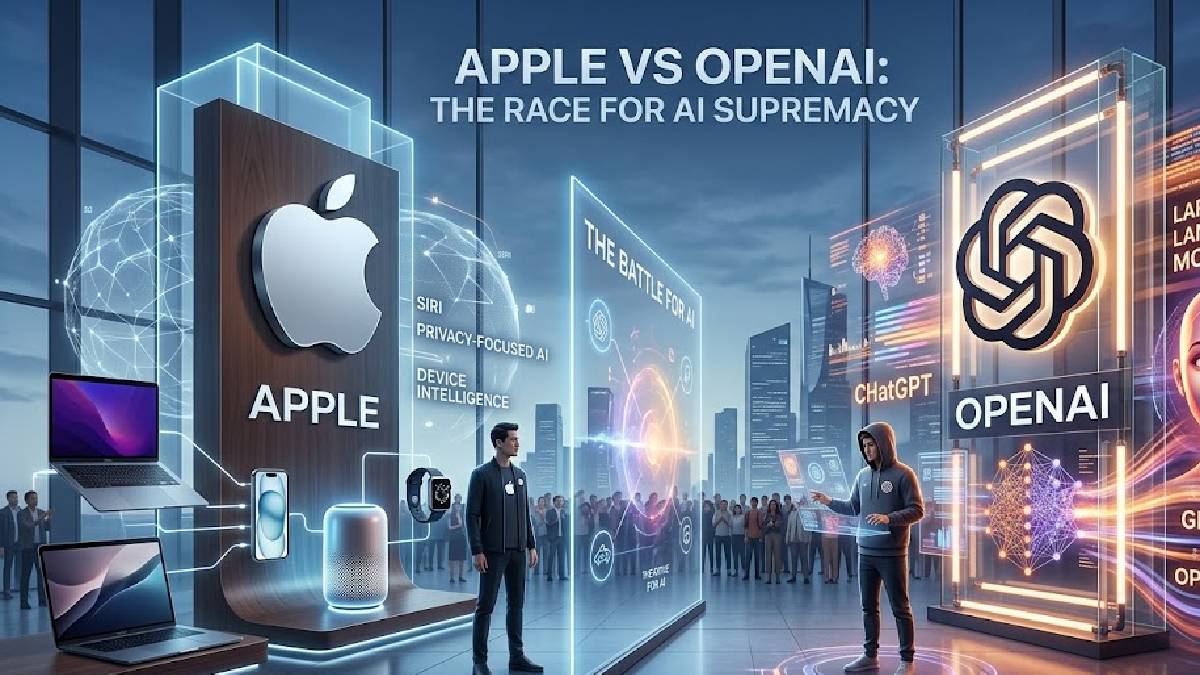
According to Apple’s complaint, those employees illegally obtained sensitive information about unreleased products, engineering methods, supplier relationships, hardware development, etc., and were later moved to OpenAI’s hardware team. Apple claims that the information could be used to OpenAI's disadvantage in developing new AI-based hardware products. Apple is seeking legal remedies, including an injunction to stop the alleged use of sensitive information.
OpenAI's hardware division is particularly problematic at the center of the lawsuit because former Apple executive Tang Tan, who helped develop products like the iPhone and Apple Watch, has already been at OpenAI for more than two decades. Apple has also named former engineer Chang Liu, claiming that his sensitive company information was still accessible after he left and was improperly used.
OpenAI has denied the allegations. It says it has no interest in competitors' trade secrets and focuses on developing new technologies that benefit users. And like any pending lawsuit, Apple's allegations will need to be proven in court, and the legal process will decide whether they are supported by the evidence.
The lawsuit is a big deal. OpenAI has been investing heavily in AI hardware after the success of its work with the likes of Jony Ive and big investments in hardware. As today’s smartphones are dying out, AI devices are to be the next generation of mobile devices, and this is one of the most important technology markets in the next 10 years.

Beyond the courtroom, the dispute is a prime example of how competition in artificial intelligence is evolving beyond software models and cloud services to actual consumer devices. And companies are competing not only on AI capabilities but also on industrial design, silicon, supply chains, manufacturing expertise and proprietary engineering knowledge.
If Apple’s allegations are accepted, the case could affect how technology companies recruit experienced engineers, handle confidential information during employee transitions, and protect intellectual property in the AI era. If OpenAI is able to defend itself, the case could also clarify the line between employee mobility and trade secret protection.
The lawsuit also serves as a reminder that innovation and intellectual property protection often evolve together. As AI hardware becomes a new frontier, legal disputes over trade secrets, patents, and proprietary research are likely to become more common. The outcome of this case could shape not only Apple’s relationship with OpenAI but also the competitive landscape for AI-powered devices.
At this point, the dispute is only an accusation and not a legal outcome. Investors, developers, and consumers will be monitoring closely as the case moves toward the courts and both companies pursue their dreams in artificial intelligence and next-generation hardware.