Bangladesh is now facing a worsening dengue outbreak with an increasing number of cases and deaths as the number of cases and deaths for the disease is rising across the nation.
In the last 24 hours of October 6, 1,996 new dengue patients were hospitalised, taking the current total number of reported cases for the year to 90,356, according to the Directorate General of Health Services (DGHS) statistics. The death toll has also climbed to 281.
The latest figures highlight the mounting pressure on Bangladesh’s healthcare system as dengue transmission intensifies. Ten more people died from the mosquito-borne disease during the last 24-hour period.
The deaths were reported from different parts of the country including Dhaka North City Corporation, Barishal, Khulna, Dhaka South City Corporation, Dhaka division outside the city corporations and Rajshahi.
September was the deadliest month for dengue in Bangladesh this year with 148 deaths. The monthly death toll was considerably higher than earlier in the year.
Dengue deaths were five between January and May, 13 in June, 36 in July and 43 in August. The sudden increase in incidence in the later months raised concerns about the persistence of the disease through October.
The DGHS dashboard shows that 84,299 dengue patients have recovered and been discharged from hospitals so far this year. But hospitals are still under pressure as new patients continue to flow in.
The latest daily figures alone show nearly 2,000 new hospital admissions, which is an indication of the scale of the current outbreak.
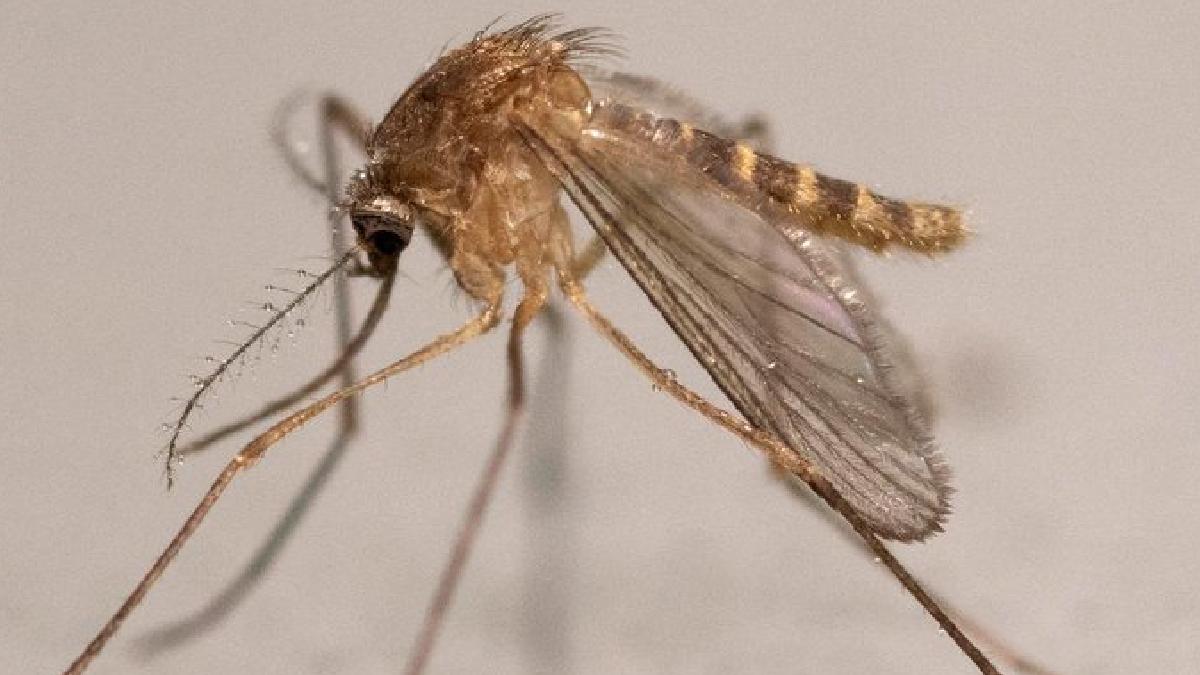
Recent rainfall and favourable conditions for mosquito breeding have led to concerns about further spread. Dengue is carried out mainly by Aedes mosquitoes, which can breed in stagnant water around homes and communities. Control of breeding sites is vital to slow down transmission, health experts said.
Bangladesh entered October after a particularly bad September and health authorities have warned that dengue transmission could remain high. Scientists have linked the evolving pattern of transmission of dengue to rainfall and weather conditions that can prolong the breeding season of mosquitoes.
The outbreak is also putting pressure on a healthcare system already under strain from other public health problems. Health officials and experts have recommended that communities remove stagnant water, protect themselves with mosquito protection and seek medical attention when symptoms become severe.
The worsening dengue situation has also led Bangladesh to consider longer-term measures. The government is considering clinical trials for a dengue vaccine as all four dengue virus serotypes have reportedly been detected in the country.
Now the number of cases is more than 90,000 and deaths nearing 300, Bangladesh faces an urgent challenge in containing dengue transmission.
More mosquito control measures, early diagnosis, hospital preparedness and community engagement are important as the country moves through the peak phase of the outbreak.