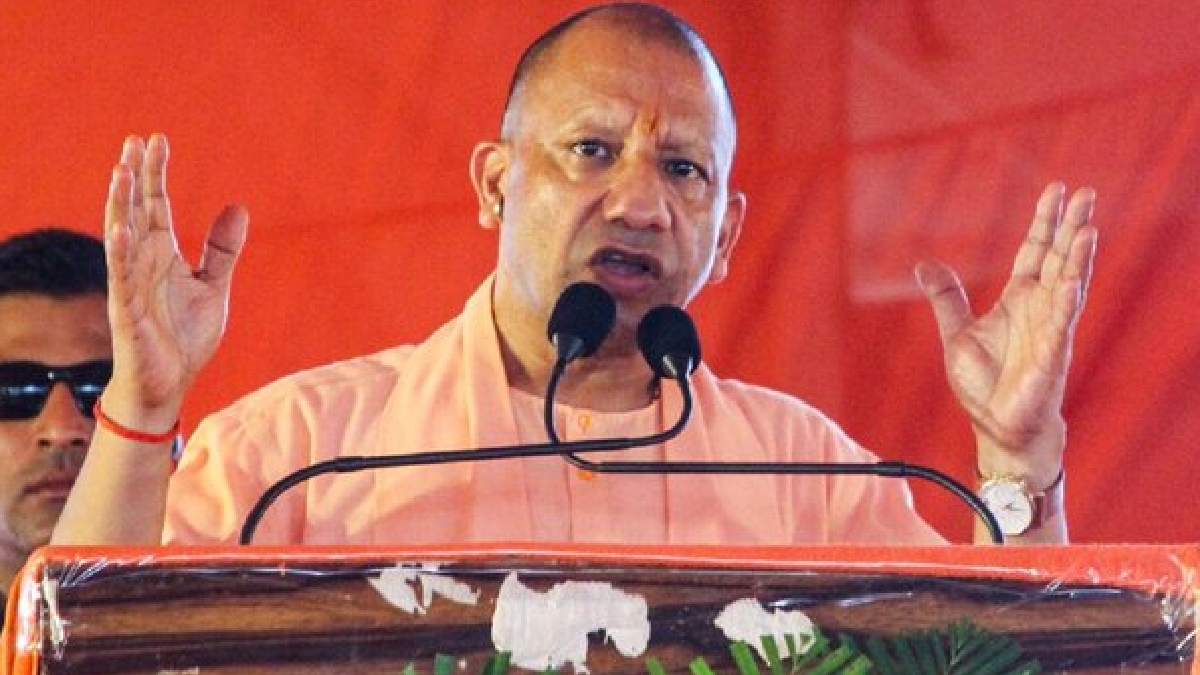
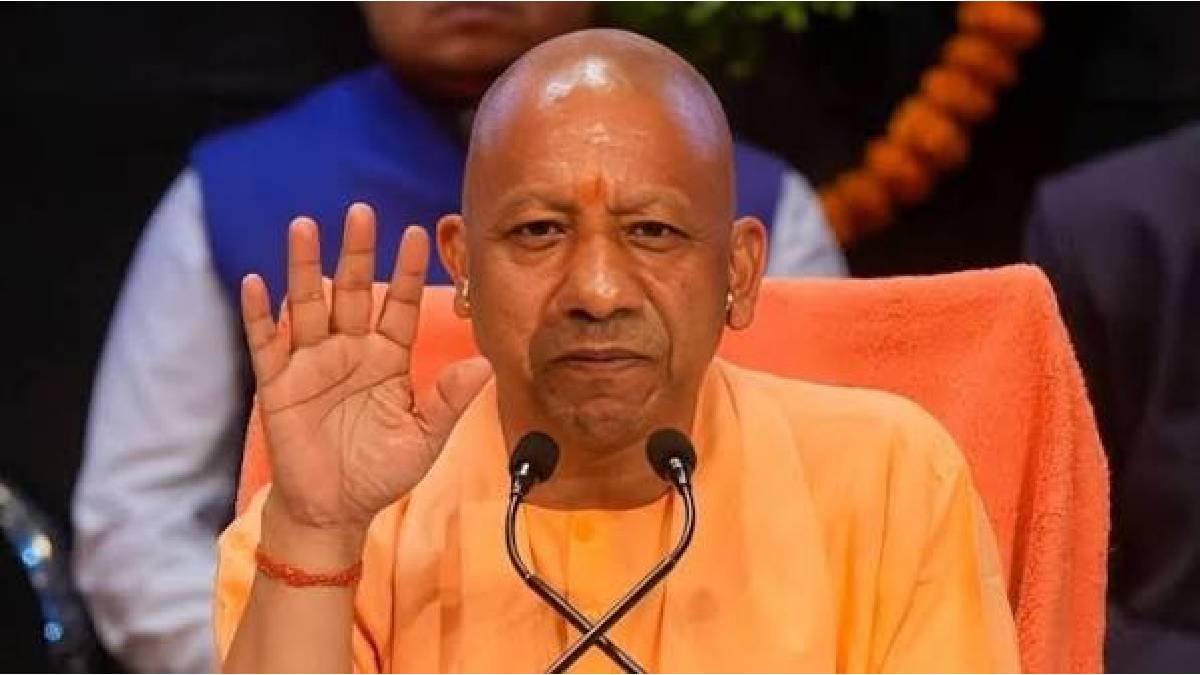
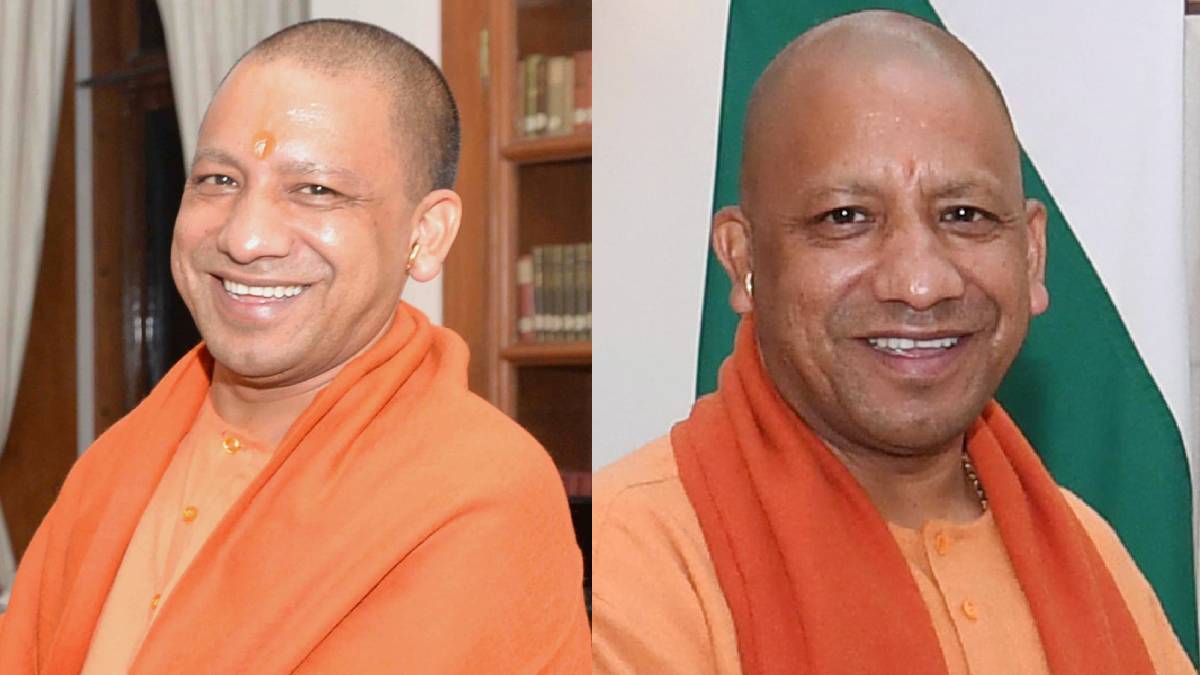
Uttar Pradesh Chief Minister Yogi Adityanath has revived his politically charged “80 versus 20” formulation ahead of the 2027 Uttar Pradesh Assembly elections, arguing that the latest Rajya Sabha developments have already indicated the direction of the next state poll.
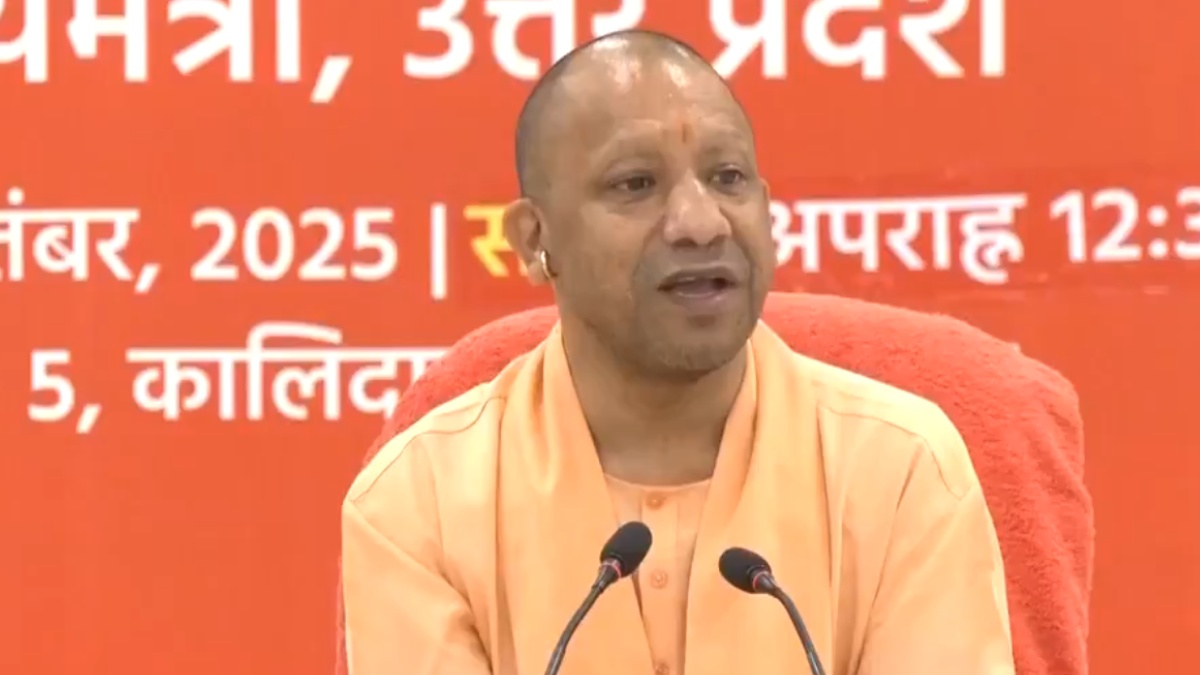
And at the Seva Jyoti Yatra -Viksit Bharat Sankalp Sabha in Lucknow on October 7, 2026, Adityanath said that the Rajya Sabha election process had “shown” what the Assembly election result could look like.
Yogi Says Rajya Sabha Polls Have Set the Tone
Adityanath mentioned the present Rajya Sabha contest of 10 seats from Uttar Pradesh.
The BJP has nominated eight candidates while the Samajwadi Party has nominated two. Because the SP did not nominate a third candidate, all the 10 candidates will be elected unopposed as long as all the elections are over. The Rajya Sabha election will happen on October 31.
Using the development to attack the opposition, Yogi said the Rajya Sabha nominations had foreshadowed the outcome of the upcoming Assembly elections.
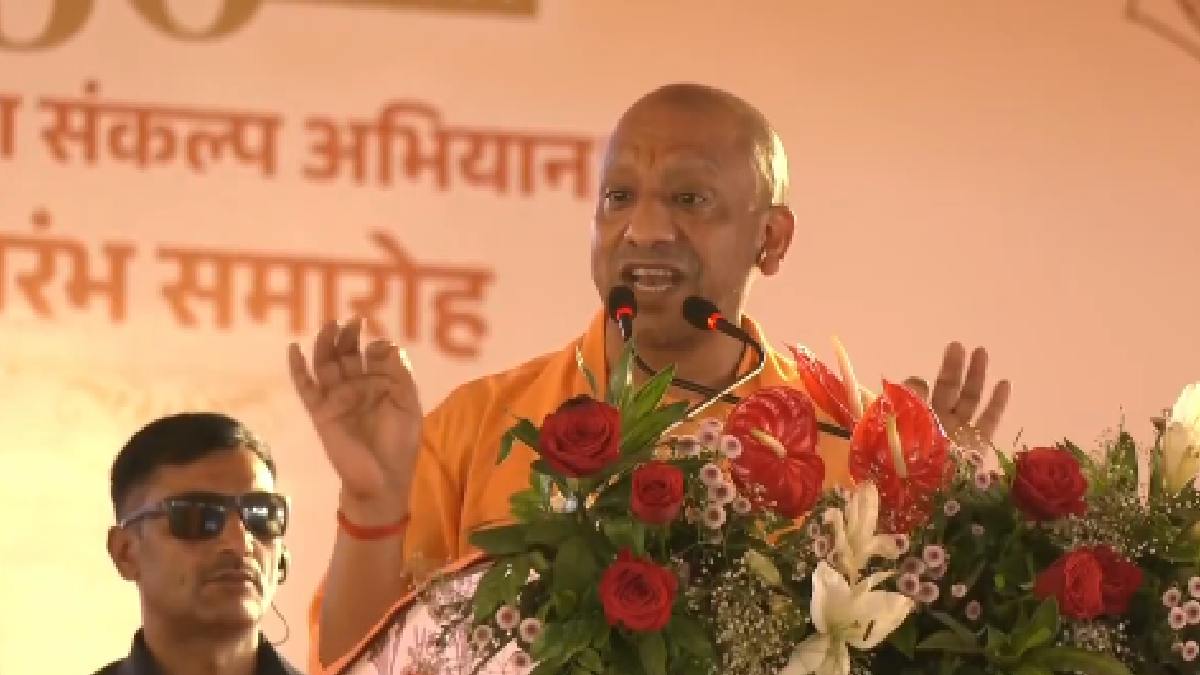
He described the coming contest as once again becoming an “80 versus 20” battle.
What does Yogi's 80 vs 20 formula mean?
Yogi said 80% of voters are with BJP-led NDA, while 20% of voters are with the opposition PDA.
The PDA is the social coalition of Samajwadi Party, which stands for Pichhda, Dalit, Alpsankhyak (in general backward classes, Dalits and minorities).
The “80 versus 20” formulation is not new to Yogi. He has used the phrase in Uttar Pradesh politics before, and it has often been interpreted as a reference to the state's broad religious and social demographics.
However, the claim that 80% of voters currently support the NDA is Yogi's political statement and should not be portrayed as an independent fact.
SP chose two Rajya Sabha candidates.
The immediate political backdrop is the SP's decision to nominate only two candidates for the 10 Rajya Sabha seats.
The party had considered putting up a third candidate but later decided not to. SP chief Akhilesh Yadav said the party was focused on the 403-seat Uttar Pradesh Assembly rather than trying to get a third Rajya Sabha seat without sufficient numbers.
The BJP's eight nominees now include leaders from all castes and social backgrounds (OBC, Dalit, Brahmin, and Thakur communities, among others).
Akhilesh Yadav Hits Back
Akhilesh Yadav’s response was immediate.
The SP chief countered that the BJP's focus on such political arithmetic was an attempt to divert attention from other issues and attacked the chief minister's formulation.
The exchange could be a sign of early political messaging in the lead up to the 2027 Assembly election, when actual campaigning is still months away.
2027 UP Election Battle Takes Shape
The Uttar Pradesh assembly election is expected to be one of the most closely watched political contests in India's most eagerly awaited elections in 2027.
The BJP-led NDA will attempt to retain power, while the Samajwadi Party-led opposition will try to build a PDA social coalition that can be put together into a larger electoral alliance.
Yogi’s latest comments show that the BJP is already framing the election around its perceived social support base and opposition divisions.
But whether the Rajya Sabha numbers can really predict the Assembly result remains a political argument rather than an established electoral fact.
For now the “80 versus 20” slogan is back— setting the stage for what could become another high-voltage battle in Uttar Pradesh.