A historic change in the trajectory of South Asian politics, Bangladesh Nationalist Party (BNP) is the clear winner in the 2026 general elections, the first national polls since Sheikh Hasina's ouster in 2024. As of Friday morning, February 13, unofficial results indicate the BNP won 212 seats, well above the 151-seat threshold for a simple majority in the 300-member Jatiya Sangsad. It is a victory for the party, which finally came out on top after 15 years amidst the uncertainty and dust in the politics.
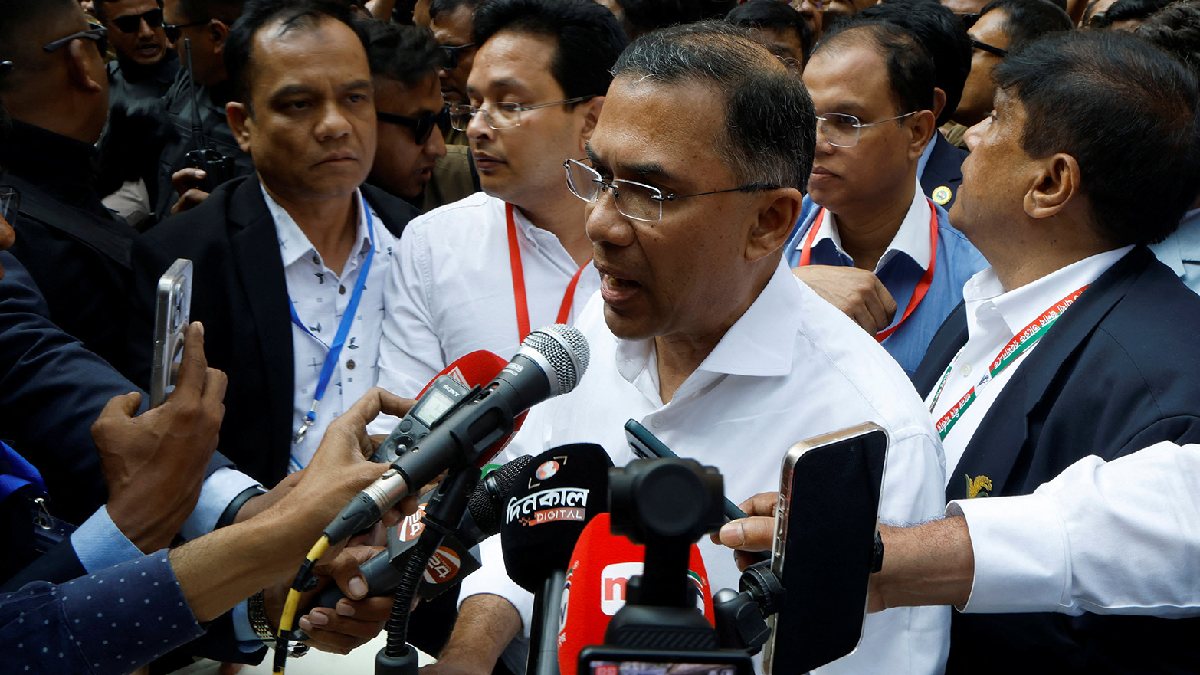
The 60-year-old son of former Prime Minister Khaleda Zia, Tarique Rahman, will be the next prime minister of Bangladesh, ending an 18-month stint served by the Nobel laureate Muhammad Yunus-led interim government. A Decisive Mandate for Change. The elections, which were conducted on February 12, had turnout estimates to over 60%, per local media.
This was in stark contrast to the boycotted polls conducted a decade earlier. The Landslide: BNP's 212 seats mean a possible two-thirds majority as closing numbers from remote districts come in. The Opposition: In the absence of the barred Awami League, the Jamaat-e-Islami have won around 58–63 seats, effectively posing their greatest threat.
Jamaat chief Shafiqur Rahman has signaled a concession, promising to engage in positive instead of obstructive politics.
The referendum
With the parliamentary vote, citizens voted in support of the July Charter referendum. Early trends indicate a resounding "Yes" for the constitutional reforms, such as a two-term limit on Prime Ministers and the establishment of a bicameral legislature. Tarique Rahman's Vision for "New Bangladesh". Speaking in Dhaka to supporters, BNP leaders reiterated that this victory represents a "second liberation" for our country. The party 's campaign was heavily focused on trying to:

Economic Stabilization
Tackling inflation and drawing abroad investment in the clothing industry; which is one side of Bangladesh's struggle that really gets lost. Institutional Reform: Strengthening judicial independence and depoliticizing the civil service. Youth Empowerment: How to address the high unemployment rate that bred the youth uprising of 2024.
International Responses
Though official findings by the Election Commission were expected later today, the international community has widely cheered the peaceful outcome of the polls. India, which had not dispatched official observers but had closely monitored the situation, indicated through its Ministry of External Affairs that it was looking forward to a “stable and democratic” neighbor.
At the same time, former PM Sheikh Hasina, who is currently in exile in India, made a statement via her party’s social media channels calling the election a “carefully planned farce” and claiming it was “voter-less.” But the large turnout and the existence of more than 50 contesting parties indicate that there is significant public participation.