The creative move: A snack maker in one of China's most populous provinces, Hunan, has gotten some headlines after the announcement of a new “Rain Leave” program for employees. That innovative approach to keeping workers home on rainy days has been very popular, which has sparked a conversation on social media about workplace mobility and wellness.
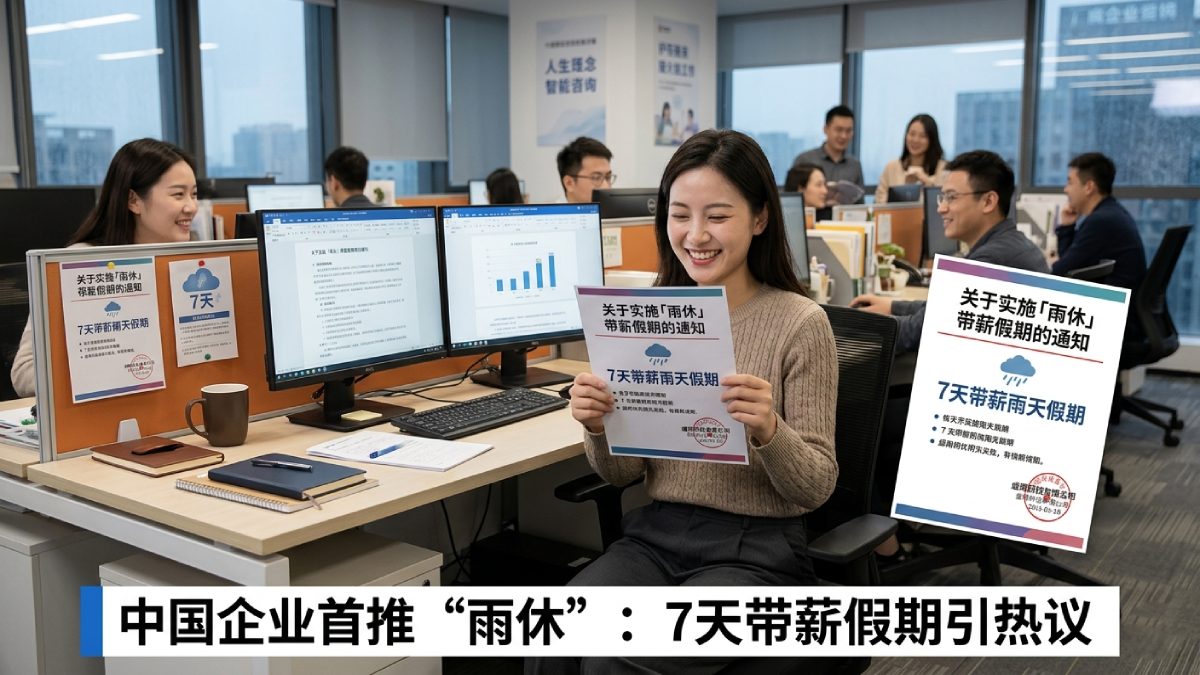
In southern China, Mala Wangzi is among the top players in spicy snacks, launching this initiative. The scheme was implemented via the company’s annual employee lottery, as employees drew lots for a variety of prizes. But it was just this year that the real magic of the event became a 7-day paid “Rain Leave.”
How the Rain Leave Works
The scheme offers one of those lucky employees selected in the lottery seven days’ paid leave, meaning he or she is not available on rainy days when his or her availability is at its peak. So the premise is in the effect of the weather on this place that conditions–Southern China had very heavy rains and high humidity in April, making a daily commute a task and unpleasant.
The managers at the company said they sought to boost morale and to eliminate the stresses associated with commuting when the weather is bad. “This season, it rains most of the days in our city. We were just out to make life easier for our employees, to make sure they’re safe,” the company owner apparently stated.
Relevant Rewards: Not Just Leave
To complement the attention-grabbing rain leave provided by the lottery, employees were provided with a mix of tangible rewards as part of the incentive. That included automatic dryers, hair dryers, rain boots, umbrellas and dehumidifiers — all products specially chosen to help workers endure the rainy climate.
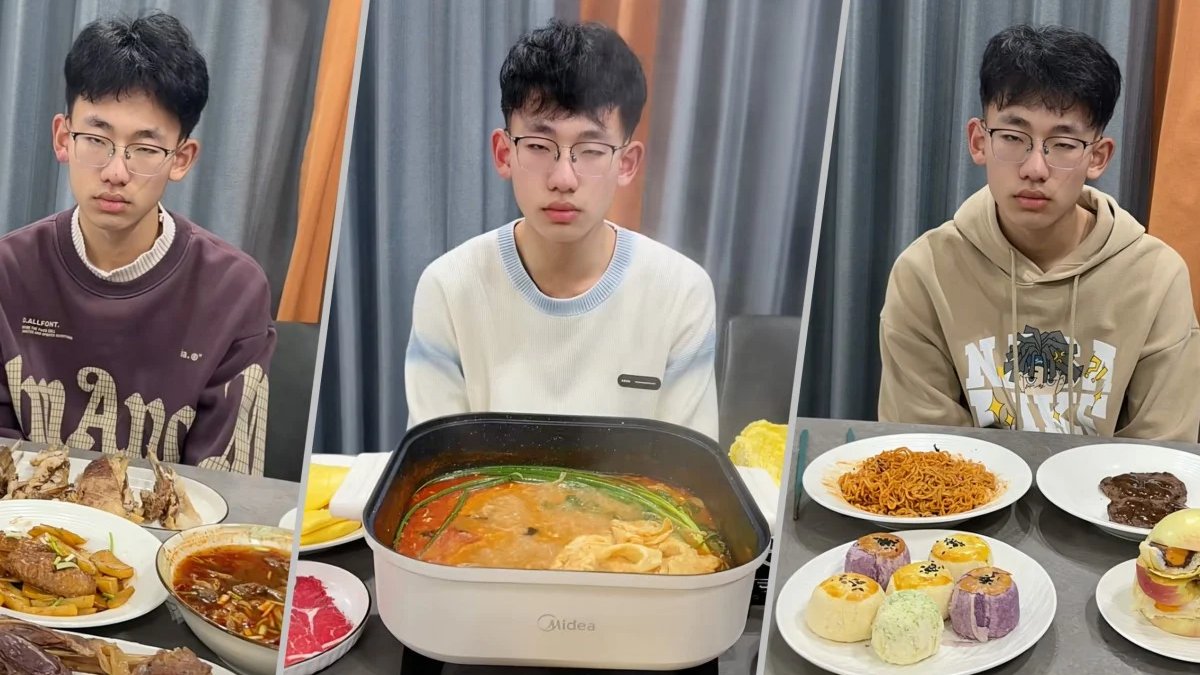
The business also launched a “late-for-work pass,” enabling workers to show up late twice on rainy days and not be penalized for it. This added effort shows knowledge of everyday commuting challenges facing a company's personnel. An employee during the lottery posted a video of his by the company's marketing head, Zhang Zilong went viral on Facebook. So in this segment of staff are getting caught up in the excitement, it tells you how the initiative has been received.
Twitter and Instagram Reactions and Responses
These messages demonstrate the degree to which Twitter users are listening for engaging, new and exciting stories about social media use. Global people love rain leave. The company’s focus on employees’ comfort and mental health has been lauded by a wide array of social media users.
Still more have provided funny bits of advice on how to implement the policies in their own cities. Users in India joked, especially in places such as Bengaluru, that companies might consider instituting a “heat leave” program, as the surface temperatures are rising and summer months are getting hotter. The concept has started conversations about how workplaces can create conditions that are more aligned with environmental conditions but also more conducive to flexible work.
What Might Be A Trend In Workplace Culture?
The kinds of initiatives that exist, like Rain Leave, reflect a trend toward wider, more human and flexible workplace policies as corporations across the globe reexamine what benefits they deliver to their employees in search of work-life balance.
Organisations can use real-world barriers to productivity, like climate-related issues, to help their workers become more productive. Whether these policies can be replicated elsewhere and adapted is another matter entirely, but Mala Wangzi’s effort has been a solid example.
But more importantly, it demonstrates that incremental and creative changes are possible, and that those changes can yield real, meaningful, and serious effects on employee morale. While workplace expectations may be changing at a faster pace than ever in an economy that’s evolving faster than ever before, such creative incentive rewards might one day become common especially in areas susceptible to extreme weather.