China is once again making headlines with an ambitious infrastructure effort that promises to reinvent hydropower worldwide. After the huge blow by the Three Gorges Dam, Beijing has now begun construction of another giant hydropower project on the Yarlung Tsangpo River an ambitious project that attracts global reverence and alarm. The state-built new construction, reported by Chinese state media, is touted on the Chinese state website news outlets to generate much more electricity than the Three Gorges Dam did. Assumed to cost an estimated 1.2 trillion yuan, the hydropower plant would generate almost 300 billion kilowatt-hours of electricity each year, making it possibly the greatest hydropower installation in existence.
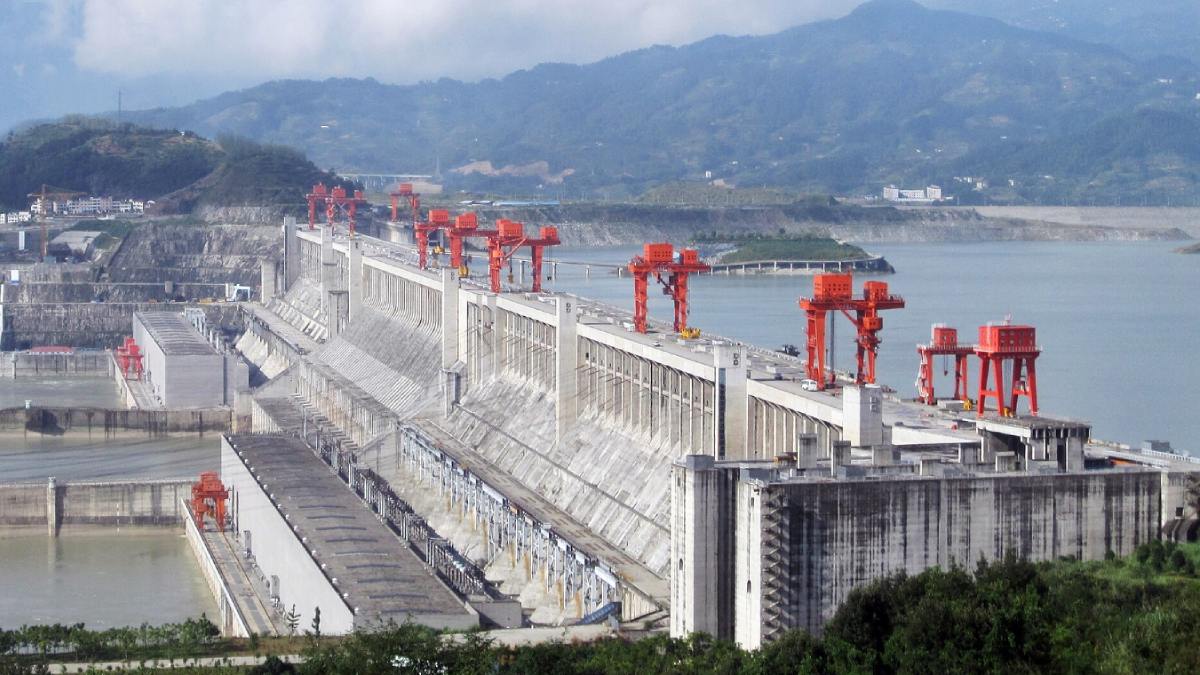
What sets this project apart is its engineering design. Instead of one single big dam thing the plan calls for are many power stations stacked in cascading fashion along a narrow bend of the river. This section of the Yarlung Tsangpo has a sharp vertical dip, allowing engineers to work with the river’s natural steep river gradient to generate great power. With this geo strategic advantage at its disposal, China aims to maximize output and perhaps avoid the need for conventional mega-dam construction. The plan, it is said, will be constructed in three phases, although officials have not provided any detailed timeline. The place is strategically significant because the river does eventually flow into India to form the Brahmaputra, an important transboundary source of water.
The phenomena of this attract some attention, at least to its neighbours, mainly India on the basis of water security and the downstream effect(s). China’s support for the project reflects its own global strategy of raising renewable energy sources, and reducing dependence on fossil fuels. The world’s largest hydropower producer, the country is still pumping billions of dollars in energy infrastructure into every major city and every major village to feed its swelling electricity needs to meet climate change ambitions. But the project has been not without controversy.
The Tibetan Plateau that is a strategic geological site of the dam construction encompasses some of the world’s fault lines. Specialist construction sites in these sites can be prone to earthquakes, he says although they have the potential to destabilise the structures.
A range of different groups have expressed environmental concerns. The bigger dams can also screw up a river, interrupting its flow of sediments, aquatic biodiversity and more, he said. But for proponents of these projects there is potential damaging environmental impact, which proves difficult to redress. Beyond the displacement of local communities, independent advocacy efforts such as the International Campaign for Tibet have also been drawing attention to the opacity of larger infrastructure projects in this region. Construction of the site is underway, and the focus of construction is likely to be on the world stage.

It is a significant advance in renewable energy generation, but equally significant for the trade off between development, environmental sustainability and geopolitical stability. China’s latest hydropower development is not just a technological marvel it is a stunning testimony to the country’s ambitions, and of the uphill battle it has made when it tries to change its image.