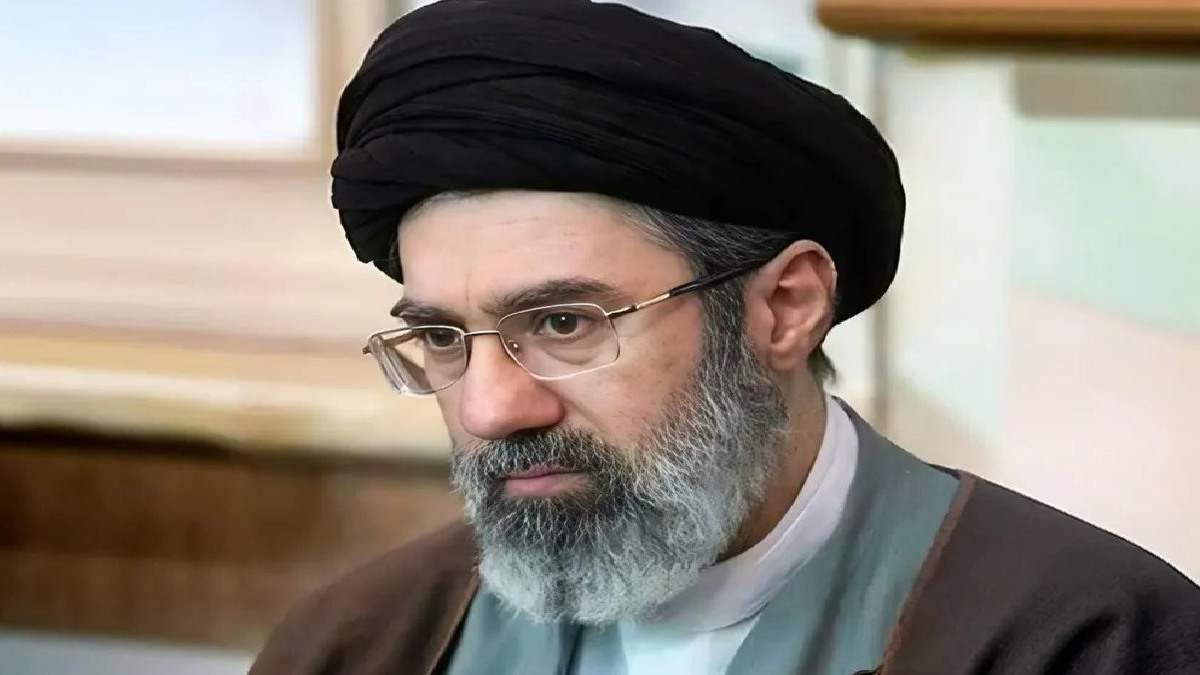
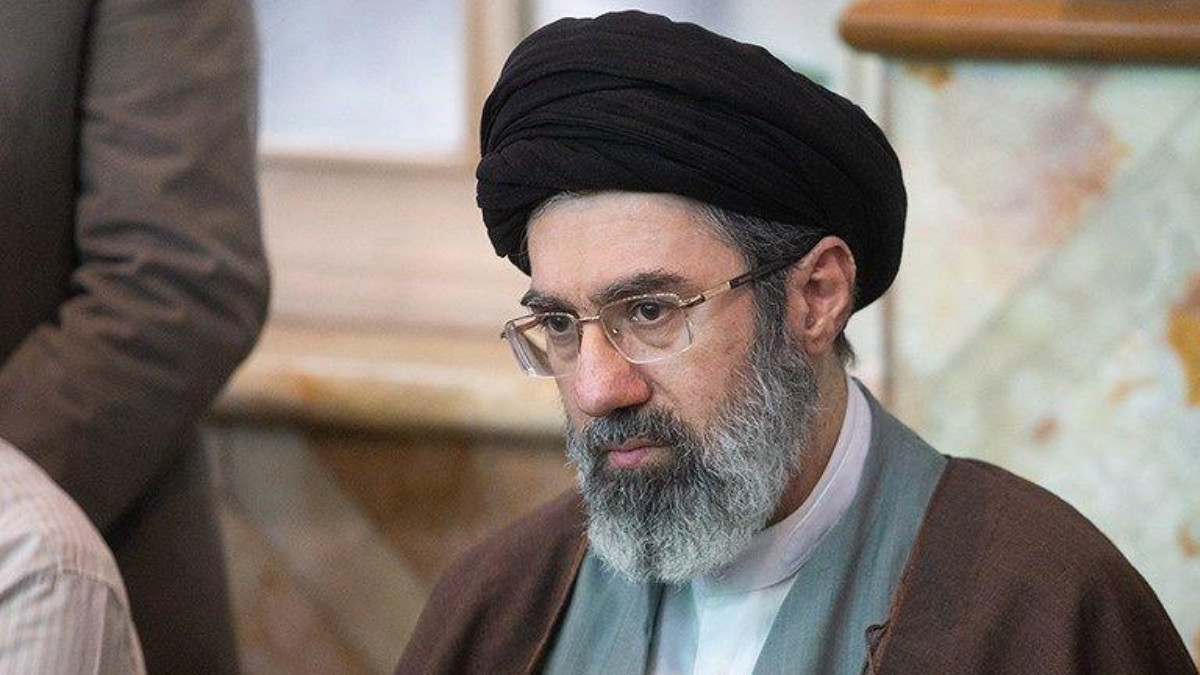
We do hear that Mojtaba Khamenei remains alive, but the events surrounding his illness and leadership authority have generated much worry and concern around the world.
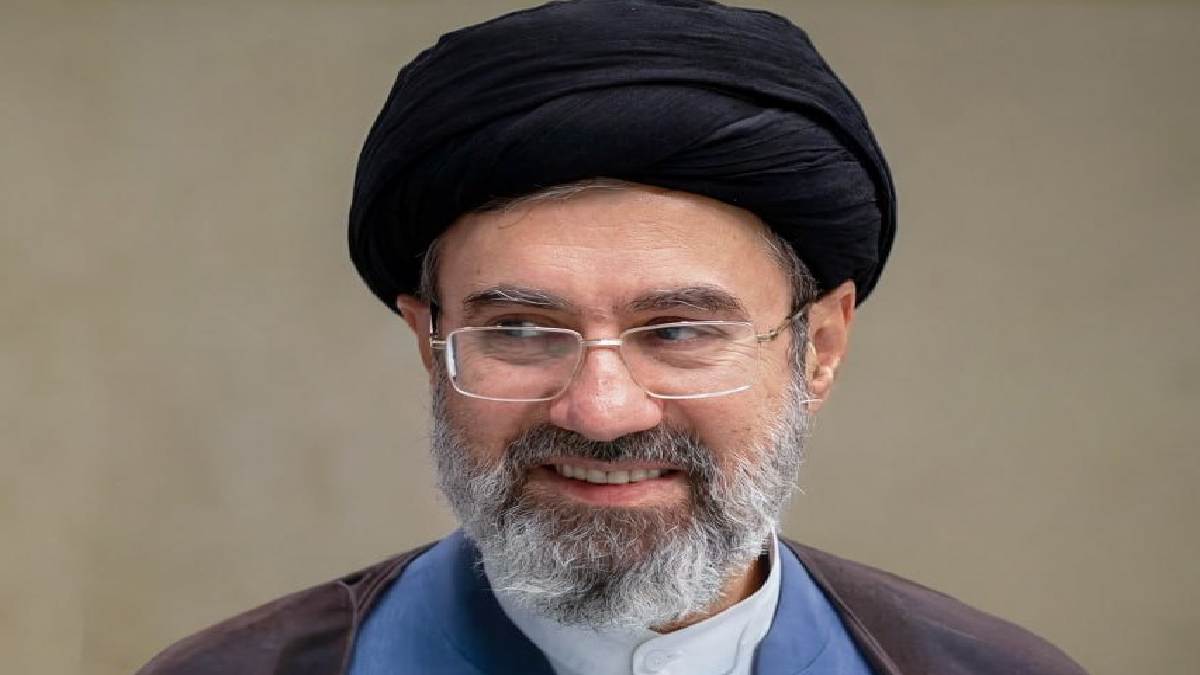
Reports in several media, some being put together with allegations given on The New York Times’ cover, suggest that, with a reported severe injury to his injuries as a result of an alleged US-Israel airstrike on February 28, he now has to be under the watchful medical eyes.
Khamenei reportedly received multiple burns to his face and lips, making him speak barely at all. It is said that as part of his recovery, medical experts are considering the possibility of plastic surgery. In regard to his physical condition, it seems he is in quite a precarious position.
Currently, one of his legs has gone through three surgeries, and his doctors are prepping it for being fitted with a prosthetic limb. Also, one hand has gone through surgery; it is still being worked on. He requires surgery again to complete the joint regeneration as well. What has surprised many observers is the peculiar way he is supposedly continuing to exert power. In a digital communication landscape,
Khamenei is said to be giving instructions manually. These sealed messages slip out from trusted couriers, and the responses make a common path back to him. In addition, the leaders of the Islamic Revolutionary Guard Corps (IRGC) and senior government cadre, to date, have not actually been meeting him personally.
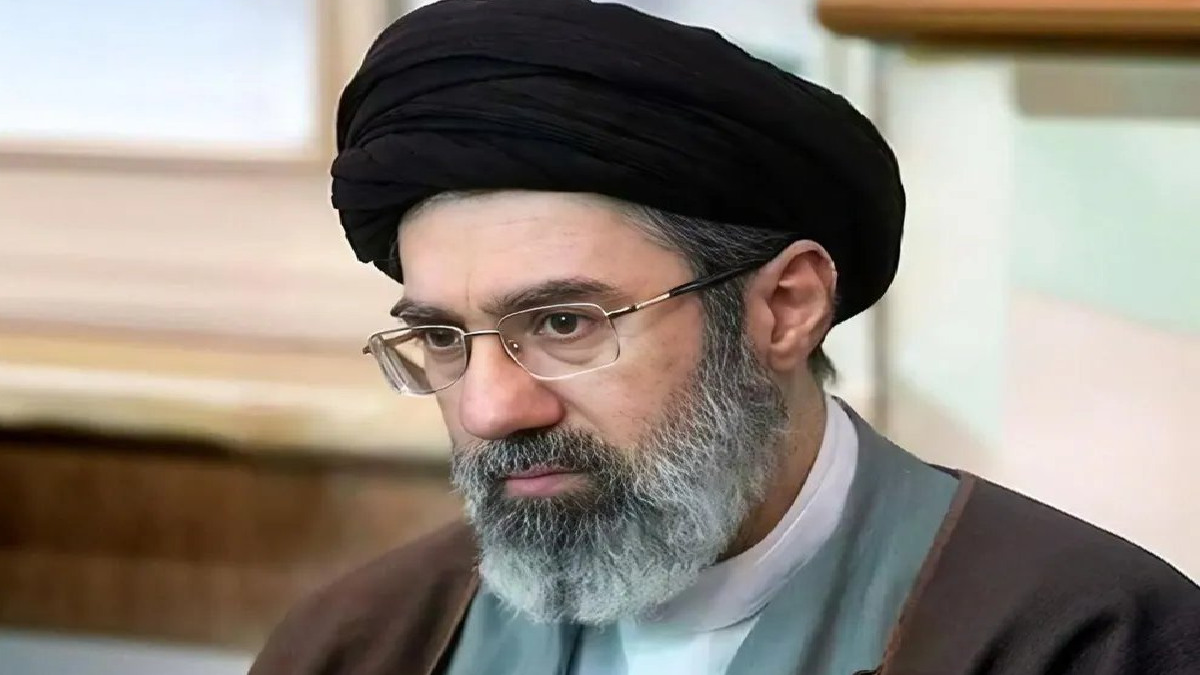
This is thought to be because his health is fragile, and there is a heightened sense of security as well. There are fears that direct access could reveal his location and make him a target for enemies like Israel. Due to his diminished mobility, major decision-making power has apparently been transferred to military leadership.
This new power dynamic is said to be driving internal friction in the Iranian political system, according to reports. Meanwhile, President Masoud Pezeshkian and Foreign Minister Abbas Araghchi are said to be taking on more and more powerful roles in governing the country.
According to reports, as reported by both CNN and the British media, Khamenei’s declining participation in active decision-making has created divisions in Iran’s leadership. Discrepancies have apparently sprung up over tactics with negotiators on negotiating with the United States, with conflicting interpretations as to how much power to give them.
Such internal fractures could reverberate across Iran’s foreign policy and regional destabilisation. The situation begs profound questions about the future of Iran’s leadership. Will Mojtaba Khamenei return to public after much more medical treatment such as plastic surgery, restoration and reconstruction of body parts? Or will the country continue to be ruled from behind the scenes by military actors? For now, a cloud of uncertainty hangs over Iran’s political landscape, as the country faces a swirl of health concerns, security risks and leadership challenges.