In a recent shocking event in the Tumakuru district, there were almost 35 peacocks discovered dead in a week, which is giving serious cause for concern to forest officials and wildlife experts.
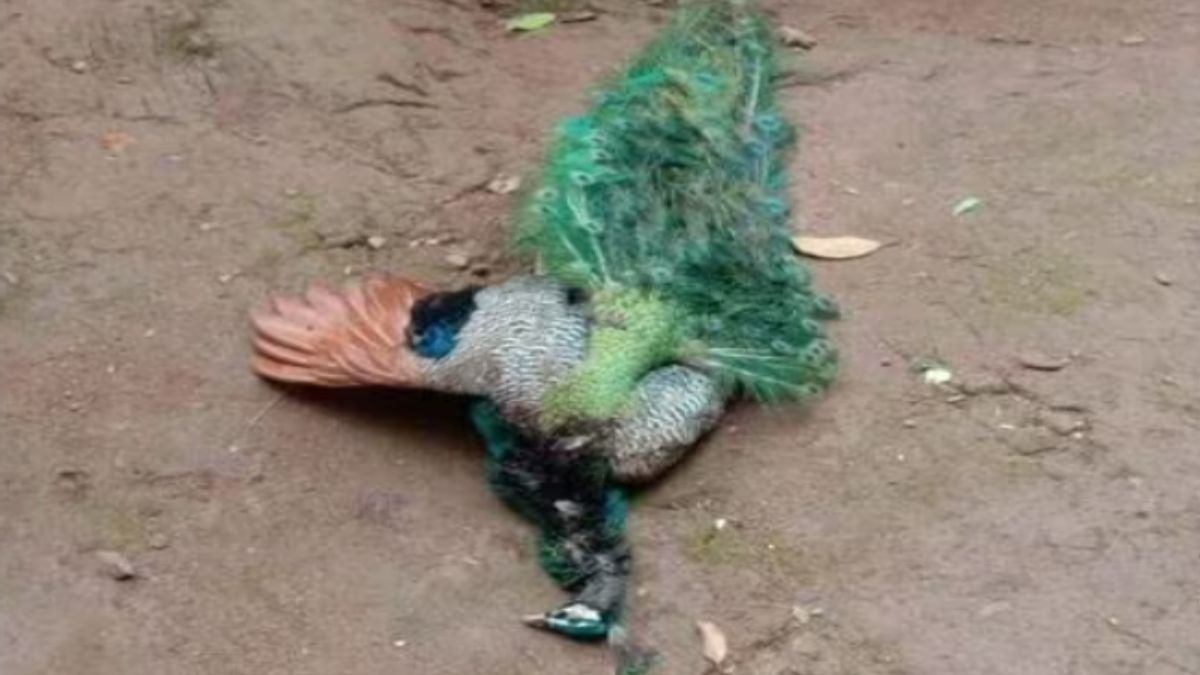
The deaths (they were seen within a small geographic area) have raised the alarm and an urgent investigation into the mechanism of onset. The fatal event was described as being in the vicinity of Bommanahalli and Machenahalli at the edge of the district.
Officials said that inside a one-kilometre radius, the carcasses were found, which suggests a local environmental or biological reason for the mass deaths. The initial weather analysis has indicated that a rise in temperatures related to a persistent heatwave may have contributed. It was thought that heat and dehydration had likely been a major factor in the birds' deaths, experts said.
Tumakuru in particular, and much of Karnataka more broadly, has experienced abnormally warm temperatures in recent days, adding stress not just to its residents but also to its wildlife. But officials are not ruling out the idea that an infectious disease like Avian Influenza or, more commonly, bird flu exists. The spread of such infections has heightened fears among local residents in the state, and officials have treated it seriously.
Forests Department and veterinary specialists got to the site straight away and carried out post-mortem examinations of the dead peacocks. Samples of tissue and fluids have been taken and dispatched to the laboratory to complete the investigation. Lab reports will be issued within the next 48 hours and will provide clear explanations for the exact cause of death, officials said.

The postmortem examination of the body of peacocks demonstrated widespread lung damage. While this can be directly related to heat stress and dehydration, it is also a symptom caused by viral infections that require laboratory confirmation. On security grounds, people scrubbed away spots where carcasses were found to prevent the possible spread of sickness.
Water samples have been collected from surrounding sources of water, and samples have been submitted for testing and sent for tests to screen for the contamination of water bodies and their influence. The incident isn’t the only one in the area, by any standards, by the way, which does not refer to it, though.
An estimated 20 peacocks died last August after allegedly digesting pesticide-coated seeds. That same event had inspired similar fears about environmental hazards and consequences for wildlife.
Currently, a team of six officials, comprising the Forest Department, are at work on the case in an effort to work out exactly how deaths were caused by this event. All angles are being analysed by the team in this case, with references given to environmental factors, disease outbreaks and human factors.
Conservationists have expressed concern over the mass death of peacocks, which have a unique position in Indian wildlife law and cultural significance as the nation’s national bird. Laboratory data that will soon be released will show whether the individual's death was tied to seasonal patterns of air movement or to a more serious health issue.