An easyJet flight carrying 186 passengers from the Canary Islands to the United Kingdom was forced to turn back Tuesday evening after a violent mass brawl erupted between travellers about 30 minutes into the flight.
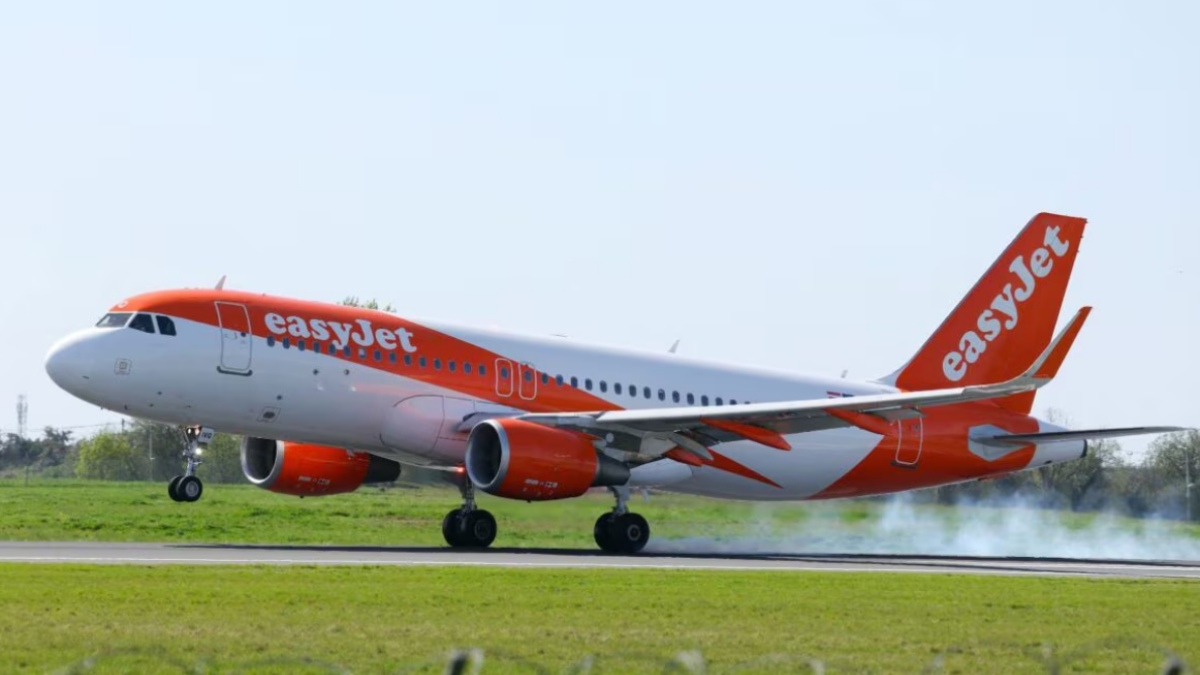
The flight was going from Tenerife South Airport to Liverpool and at 30,000 feet when a violent dispute between two groups of British passengers erupted into a full-scale physical fight. Spanish air traffic controllers saw a group of about 10 people involved in the violent fracas. With the threat to security in the cockpit getting worse, the captain took the immediate action of turning back and going back to Tenerife.
Grounded by Authorities and Police Intervention. The aircraft was immediately met on the tarmac by local law enforcement when it returned to Tenerife South Airport. Spain’s Guardia Civil (Civil Guard) confirmed that all those involved in the mid-air disturbance were British nationals.
The airline removed eight passengers from the plane who were traveling together: two adults and six minors. Preliminary findings and interviews suggest that the conflict began with an argument between two separate families that erupted in the airport terminal before boarding. But the grievances were still bottled up in the cabin and then erupted into violence in the middle of the flight, and so the passengers were removed.
After the disruptive group was removed and security checks performed, the passengers resumed their travels and arrived in Liverpool on the evening of the same day. EasyJet reiterated its zero tolerance of disruptive and abusive behavior and expressed its gratitude to both the flight crew and passengers for their cool heads in a volatile incident.
There is an increasing push for tougher UK aviation measures. The high-profile incident has made for a bigger problem of tougher penalties and systemic deterrents for unruly flyers in the UK. Ministers at the Department for Transport and Home Office are now debating legislative proposals that will create a single database for all airlines.
Under current data protection policies, airlines maintain blacklists of banned passengers so that a passenger who has been banned by one carrier can often book tickets with a competing airline without notice. The proposed system would allow carriers to share real-time information about those banned or flagged, and so they could automatically reject bookings and boarding for chronic offenders. Public support for tighter regulations is still overwhelmingly strong, with three-quarters of adults in a recent survey in Britain endorsing a single national aviation ban database.