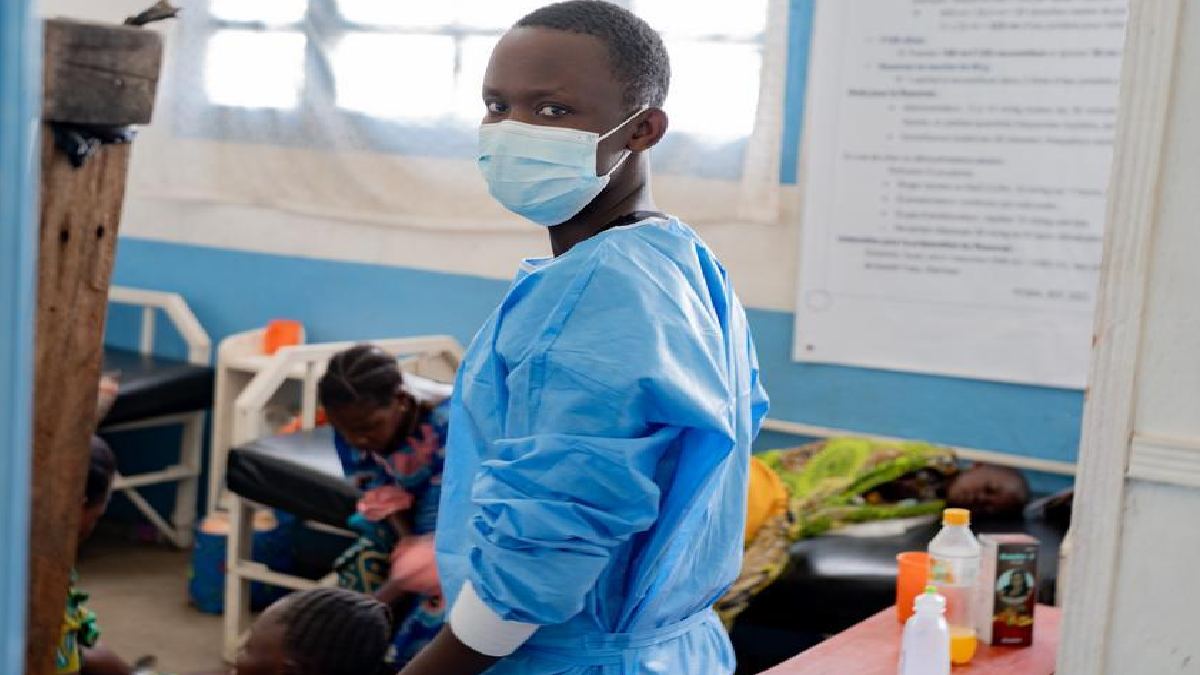
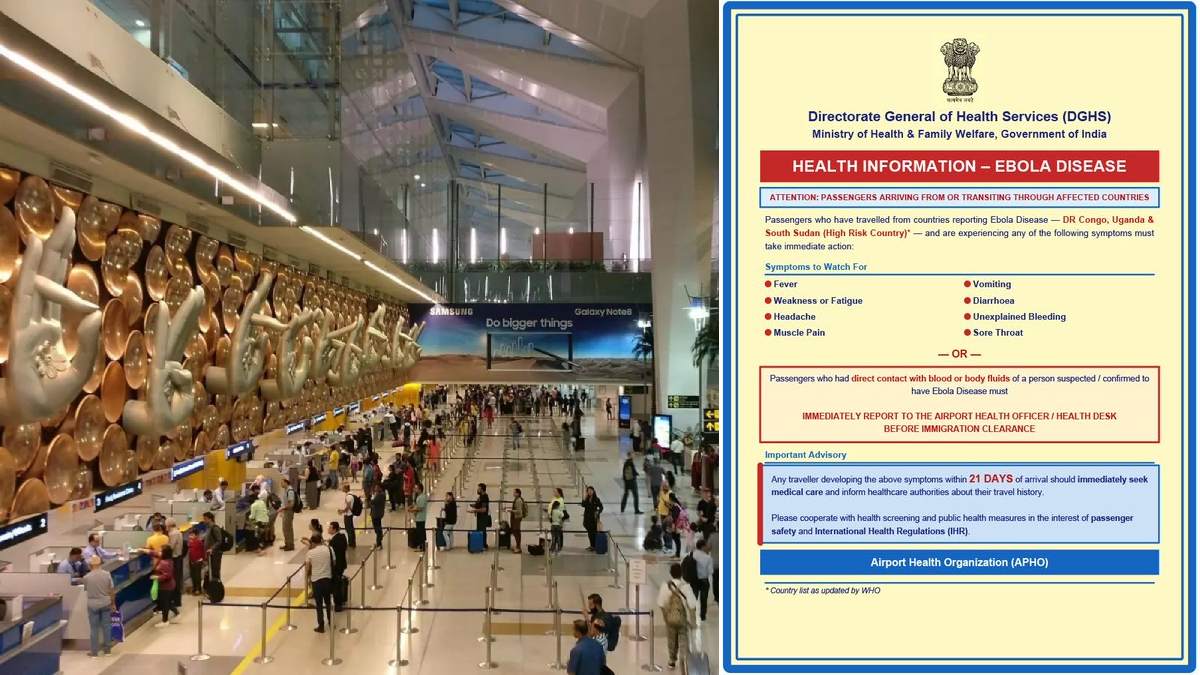
Concerns that Ebola outbreaks might escalate have increased after the former head of the Centres for Disease Control and Prevention (CDC) said the deadly virus could spread further if efforts now to contain it were not made more effective.
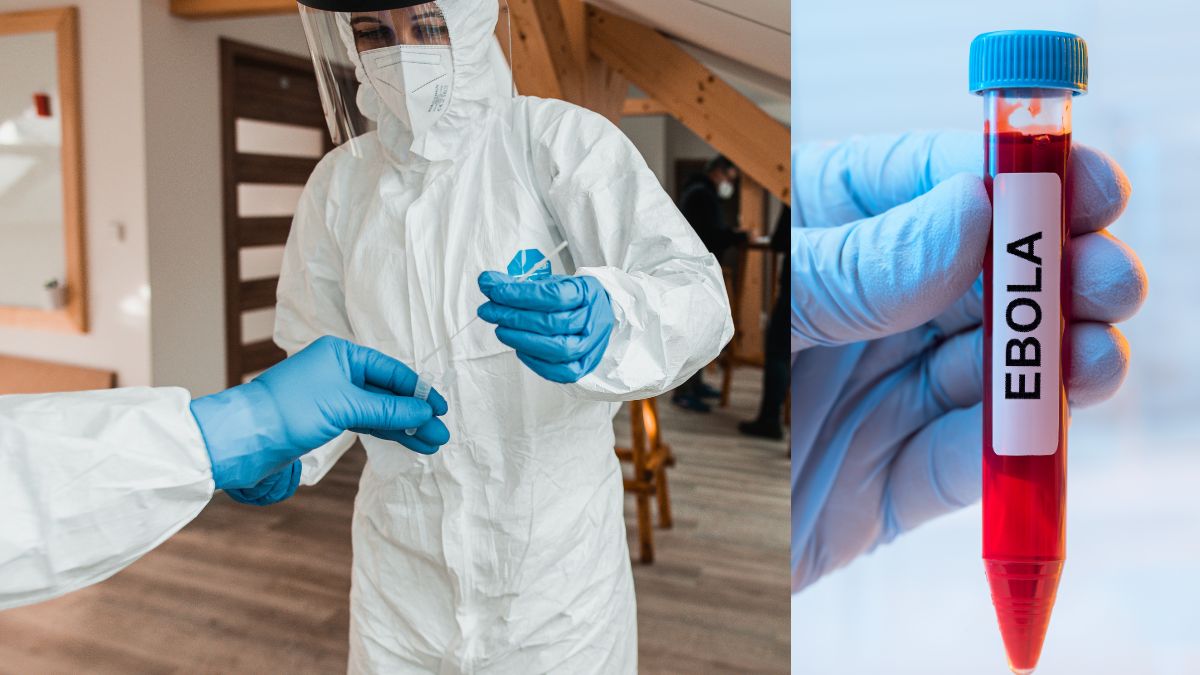
The threat has aroused new awareness from global health authorities, who continue monitoring for suspected and confirmed cases that could belong to local outbreaks in various areas, including parts of Africa.
Ebola is still one of the deadliest infectious diseases in human history, the former CDC director pointed out, with high mortality and speedily spreading in places with poor healthcare infrastructure. Delayed detection, the dearth of medical facilities and cross-border movement can compound the risk of a larger outbreak, unless a fast response is provided, health experts say.
Ebola is a lethal viral illness that can infect anyone who comes into direct contact with individuals who have it, including their bodily fluids, or on surfaces that are infected themselves. In general, symptoms include fever and severe weakness, vomiting, diarrhoea, muscle aches, and sometimes internal and external bleeding.
Historically, the disease has led to deadly outbreaks in several African countries, and the mortality rates depend on the strain of the virus and how quickly medical care is provided. Health officials are particularly concerned, as recent outbreaks have hit places where there are already existing health care problems and scarce data on how to best monitor the illness.
The more populated cities and influx of international traffic are thought to hinder efforts by authorities to keep the virus from spreading globally, experts said. CDC's former head of the office noted the importance of fast isolation, contact tracing, public education campaigns and vaccination to halt the spiral of previous Ebola outbreaks.
In the devastating West Africa Ebola outbreak of 2014-2016, more than 11,000 people died, and health service systems in many of the countries were unable to adapt to the crisis. The latest developments are being monitored by the WHO and other global health organisations.
Through all those measures, the hospital emergency response centres have been working in disaster-impacted areas for testing capacity optimisation, identification of contacts of infected people and support care of local health workers.
Medical experts also noted this, and medical experts also emphasized that even though Ebola epidemics are often confined by geography, the virus has emerged as a global threat that is still a major threat, with vast numbers of cases and cases at the same time poses considerable threat to the global population as a whole (if the and with insufficiently controlled cases the risk of escalation can snowball rapidly without well-controlled cases without adequate control can be high.
Lessons from previous outbreaks and the outbreak of the pandemic, namely from previous disasters and COVID-19, also make it more apparent that immediate intervention and global cooperation for the effective and timely response and cooperation on infectious disease emergencies are needed.
Government officials are telling the public not to panic, but to check official health advisories. Timely medical treatment and robust infection-control measures sharply increase the chances of controlling transmission, experts say. Vaccines developed in recent years have also bolstered preparedness relative to previous Ebola outbreaks, though both access and speed of shipment are major challenges for remote regions.
A senior CDC chief had warned, warning that infectious diseases are still a mammoth world problem well after the world tackled the COVID-19 pandemic. And when the Ebola virus is introduced to thousands, it is now up to public health agencies around the world to act more than any one nation, and they are in turn expected to step up their monitoring efforts and adopt coordinated policies to prevent its potential spread throughout many parts of the globe. And the world has to think globally now.