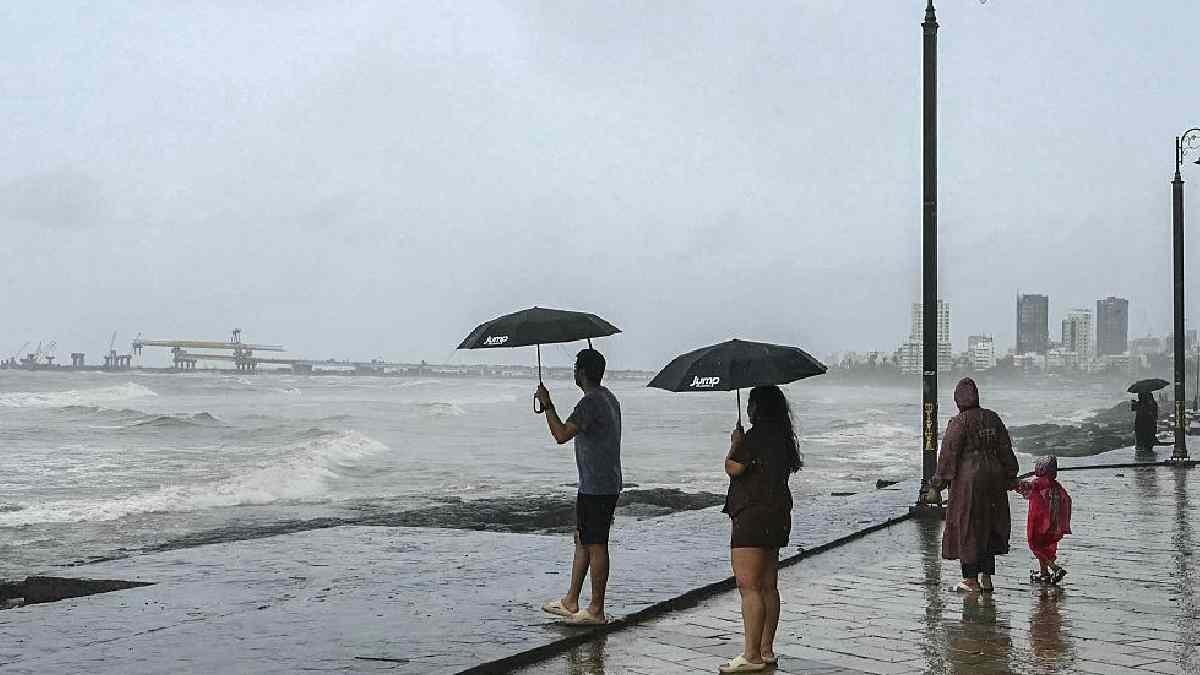
In nine months of 2026, the world has already seen thousands of deaths due to earthquakes, heat waves, wildfires, flash floods and other extreme natural and climate-related disasters. For communities living near rivers, mountains, forests and coastlines, these events are not distant headlines but increasingly dangerous disruptions to everyday life.
Now, a strong climate phenomenon is throwing another layer on top. El Niño, a natural climate pattern that typically results in unusually warm sea-surface temperatures in the central and eastern tropical Pacific Ocean, is expected to be even stronger in the coming months, the World Meteorological Organization (WMO) said on Wednesday.
The effect can last well into February 2027, and might lead to much more disruption to global rainfall and temperature.
El Niño to increase
The latest observations indicate that ocean temperatures have already climbed significantly above average. Sea-surface temperatures were reportedly more than 2 degrees Celsius above normal in July and reached around 2.2°C to 2.6°C above average by mid-August.
But the WMO said the strengthening El Niño could lead to major changes in weather patterns, with high heat, drought, and flooding risk in the world.
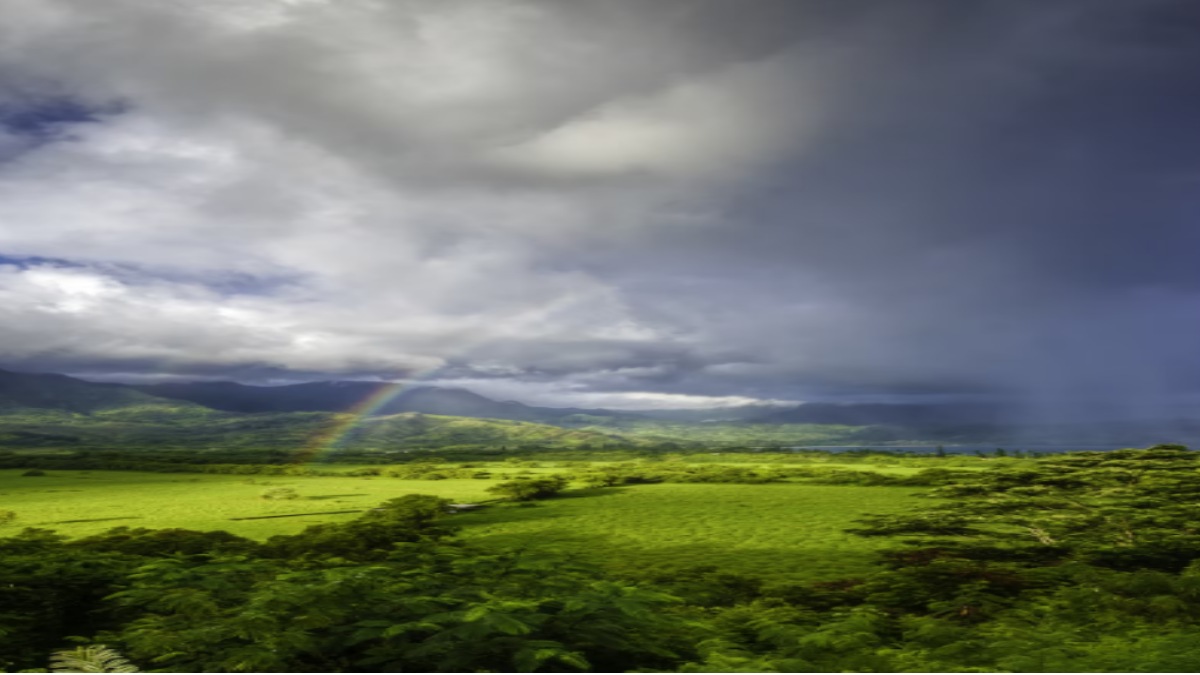
According to the WMO report, “El Niño is firmly established and will intensify into a very strong event in the next few months” and could have large impacts on rainfall and temperature patterns.
But the strength of El Niño alone does not determine how severely a particular country will be affected. Local geography, existing weather patterns, preparedness, infrastructure, and the resilience of health systems all influence the eventual consequences.
Another climate factor that gets attention is the Indian Ocean Dipole (IOD), a pattern that refers to the temperature difference in the western and eastern Indian Ocean. During a positive IOD, the waters near Africa get warmer than average, and the waters near Indonesia get cooler.
The interaction of El Niño and the IOD, and long-term global warming, can also lead to complicated regional weather in the immediate future, which makes seasonal forecasting and disaster preparedness even more important.
The Health Threat
El Niño impacts more than temperature and rainfall. Extreme weather can create the conditions for infectious diseases to spread, especially in areas where healthcare systems are already under stress.
The World Health Organization has warned that climate-related risks are particularly severe when weather anomalies overlap with weak health systems, low population immunity, limited access to healthcare and environmental conditions favorable to disease transmission.
South Asian countries could face several such challenges.
India, Bangladesh, Nepal and Myanmar, among others, are vulnerable to diseases whose transmission can be affected by changing rainfall and temperature conditions. Dengue, malaria and leptospirosis are among the diseases that could pose significant risks in vulnerable areas.
Flooding can create stagnant water and increase mosquito breeding grounds, thus potentially allowing the spread of vector-borne diseases. At the same time, contaminated water after floods can increase exposure to infections such as leptospirosis.
For countries such as Nepal, Bangladesh and Bhutan, extreme weather also poses a direct disaster threat. Floods, cyclones and landslides can cause deaths, injuries, displacement and extensive damage to infrastructure.
El Niño is not the same as Climate Change
The increasing intensity of extreme weather events has also raised the important question: Is climate change responsible for creating El Niño?
The answer is much more complicated.
El Niño is a natural climate phenomenon and has been at its peak for centuries. And it is not a product of modern climate change. But now it is happening on the tail end of long-term global warming.
That combination can make the consequences more severe. Higher baseline temperatures can amplify heat extremes, while warmer air and oceans can influence the intensity and behaviour of rainfall and other weather systems.
The WMO has repeatedly stressed that individual climate events cannot automatically be attributed to one factor. Instead, natural variability and human-driven climate change can interact to influence the severity and frequency of extreme conditions.
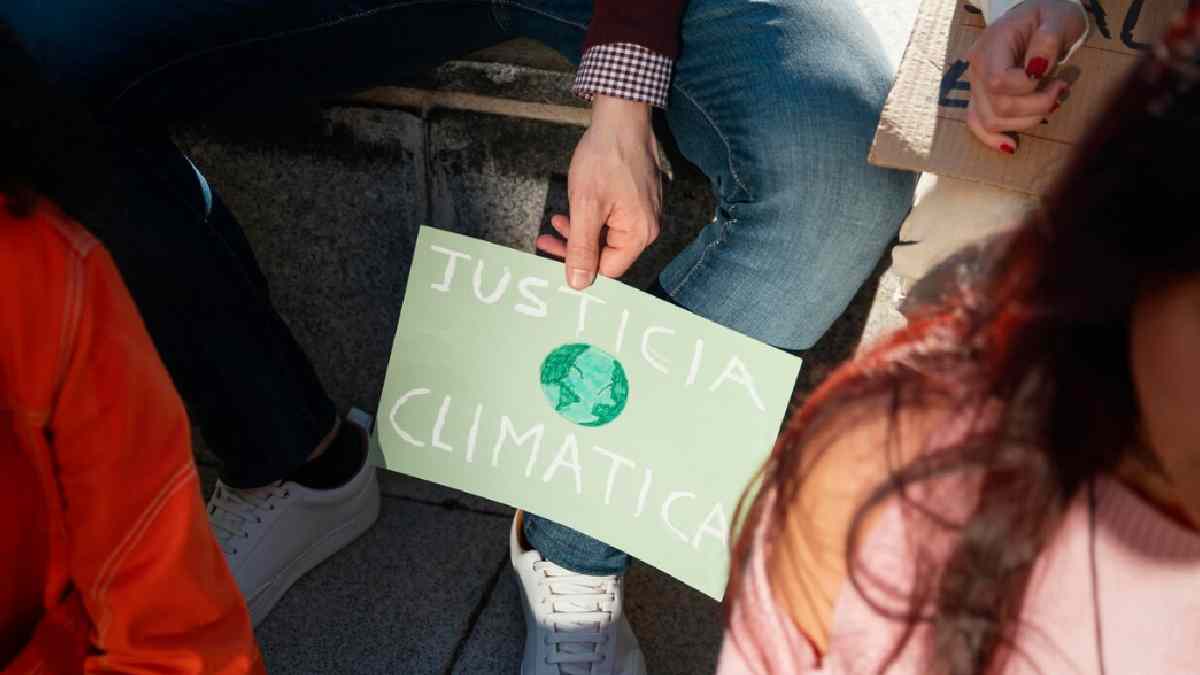
The Climate Justice Question
Perhaps the most difficult issue is not merely how extreme weather will affect the world, but who will pay the highest price.
Recent devastating floods in Nepal, including destruction of the Trishuli and Lhende Khola river systems, have served to underscore the vulnerability of Himalayan communities. The vulnerability of Nepal to floods and landslides is particularly painful in the Himalayas as rising temperatures are affecting glaciers, snow and water systems across the Himalayas.
But countries facing some of these severe consequences have contributed relatively little to global greenhouse-gas emissions.
Nepal accounts for only a small fraction of global carbon emissions, while Bangladesh's share is also comparatively low. Bhutan, on the other hand, is widely acknowledged for having net-negative carbon emissions, meaning its forests and other carbon sinks absorb more carbon dioxide than the country emits.
But disasters can still carry huge costs. Nepal’s reconstruction costs after the August 26 floods have been estimated to be around $5 billion, accounting for more than 11 percent of the country’s GDP by 2026.
International assistance can assist countries in recovering, but repeated disasters raise a larger issue of long-term climate finance, adaptation, and responsibility for a more long-term future for the country.
A Warning for the World
El Niño is not a new phenomenon, and its potential impacts in a warming world are worth watching closely. Extreme heat and drought, of course, or sudden flooding and disease outbreaks can affect the entire continent.
The biggest risks are often faced by communities with the fewest resources to prepare, evacuate, rebuild or strengthen healthcare systems.
That makes El Niño a story of public health, disaster preparedness and climate justice as well.
As the world looks forward to 2027, the question is not so much how strong El Niño will be. It’s whether governments, communities and international institutions will be able to prepare quickly for the risks that are to come—and if the countries most likely to get hit will be given the support to take the steps to respond.