The UN has warned that El Niño is becoming more and more severe and calls for governments around the world to strengthen disaster preparedness and take urgent action to protect vulnerable communities from the impact of the weather disaster and global warming that can be catastrophic. El Niño is one of the most influential climate patterns on the planet and can disturb weather systems in all continents which can cause floods, droughts, heatwaves, wildfires, and economic losses.
Climate experts say the strengthening El Niño could compound climate problems today in the areas that are already facing global warming and the world’s climate crisis. Scientists are warning that warming and climate experts are now scrambling to prepare for the threat to the world’s climate situation and they have not been able to make the situation worse.
What is El Niño?
El Niño develops naturally and is when sea surface temperatures in the central and eastern tropical Pacific Ocean become warmer than normal. These warmer waters change the way the atmosphere has to flow and affect rainfall, temperatures and storm activity in many parts of the world.
Although El Niño events occur every two to seven years, each event is different in strength and duration. Combined with the longer-term effects of climate change, stronger El Niño conditions can result in more severe weather extremes.
Potential Global Impacts
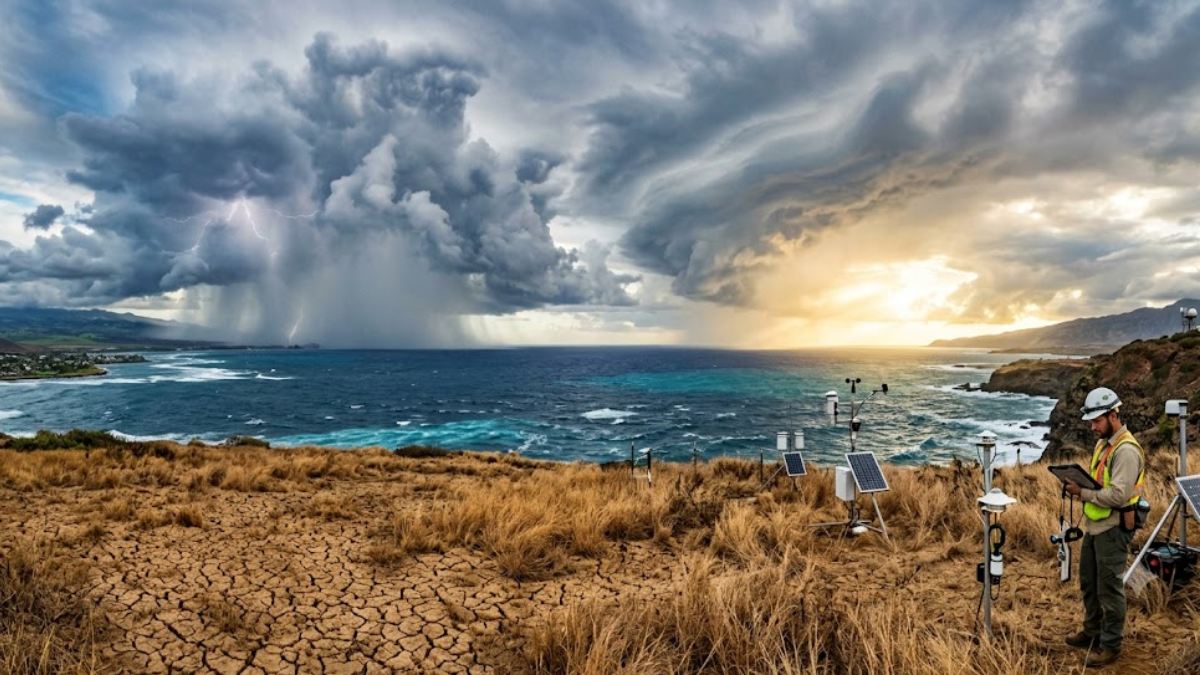
A strengthening El Niño can affect weather differently for different regions of the world. Some countries may experience longer droughts, and other countries may experience record rainfall and flooding.
Possible impacts include:
- Higher heatwaves in Asia, Europe and North America
- Extreme drought conditions in parts of Australia, Southeast Asia and southern Africa
- Heavy rains and flooding in parts of South America
- More risk of wildfires from long-term dry conditions
- Poor agricultural productivity because of water shortages and extreme temperatures
- Stress on water resources and hydroelectric power generation
These weather extremes can have significant impacts on food security, public health, infrastructure and national economies.
UN calls for early preparedness.
The UN is calling for countries to enhance early warning systems, improve disaster response capacity and support climate resilience. Weather forecast predictions need to be closely monitored and risk management should be communicated to the public and emergency response plans for vulnerable populations should be developed.
These early actions can save lives and reduce economic losses in extreme weather events and early action can be a gamechanger. Flood defenses can be reinforced, water supplies saved, emergency shelters set up, and farmers supported with climate-resilient agricultural practices.
Agriculture Faces Major Challenges
Farmers are among the most vulnerable groups in El Niño events. Irregular rainfall and prolonged dry weather can damage crops, livestock and food supply chains during El Niño events.
If crop prices and exports are affected if harvest seasons become disrupted, nations that depend on agriculture will see a rise in food prices and lower exports. So governments ought to give timely weather information, drought-resistant crop varieties and financial aid to farming communities.
Public Health Concerns
El Niño’s extreme weather also has a significant impact on public health. Heatwaves increase the likelihood of heat-related illnesses among children, older adults and outdoor workers. Flooding can contaminate water supplies and cause outbreaks of waterborne diseases; drought can reduce access to safe drinking water.
Health care providers should prepare hospitals, increase disease surveillance and inform the public about preventive measures during periods of extreme weather, according to the report.
Climate Change adds to the Risk
While El Niño is a natural climate cycle, scientists say that human-induced climate change is driving global temperatures up, and many weather events are getting more intense. So if a strong El Niño is coupled with global warming, we will see record-breaking temperatures and more frequent extreme weather events.
Climate experts stress that reducing greenhouse gas emissions while improving adaptation strategies remains essential to managing future climate risks.
As El Niño continues to grow, governments, businesses and communities are being urged to remain vigilant and proactive. Investing in resilient infrastructure, improving weather forecasting, and supporting vulnerable populations can help reduce the impact of climate-related disasters in the future.
The UN’s alarm is that preparedness is important. El Niño cannot be prevented but it can be mitigated with adequate planning, scientific research, and early action. As extreme weather becomes more frequent in the future, strengthening resilience could be the only way to save lives and protect economies. Farmers are among the most vulnerable groups in exceptional El Niño events. Irregular rainfall and extended dry spells can cause crop yields to decrease, livestock to suffer and food supply chains to be disrupted.
If harvests are affected, countries dependent on agriculture will have food prices rise and exports fall. Governments should give timely weather information, drought-resistant crop varieties and financial aid for farming communities.
Public Health Concerns
Public health could also be affected by extreme weather in El Niño. Heatwaves increase the risk of heat-related illnesses among children, older adults and outdoor workers. Flooding can contaminate the water supply and lead to outbreaks of waterborne diseases while drought can affect the availability of safe drinking water.
Health care organizations should prepare hospitals, increase disease surveillance and inform the public in advance of a period of extreme weather.
Climate Change increases the risk
While El Niño is a natural climate cycle, scientists say that human-induced climate change is increasing global temperatures and that many weather events are more severe. A stronger El Niño and continued global warming could mean record-breaking temperatures and more extreme weather events.
Climate experts stress that reducing greenhouse gas emissions while improving adaptation strategies remains essential to managing future climate risks.
The good news is, with El Niño strengthening, governments, businesses and communities need to be on guard, staying vigilant and prepared. Investing in infrastructure, improving weather forecasting, and supporting the welfare of vulnerable populations can help minimize the impact of future climate-related disasters.
The UN’s warning is a strong reminder to be prepared. El Niño is not preventable but it can be mitigated with the right planning, scientific research and early action. With more extreme weather on the way in the future, building resilience will be the only way to save lives and protect economies.